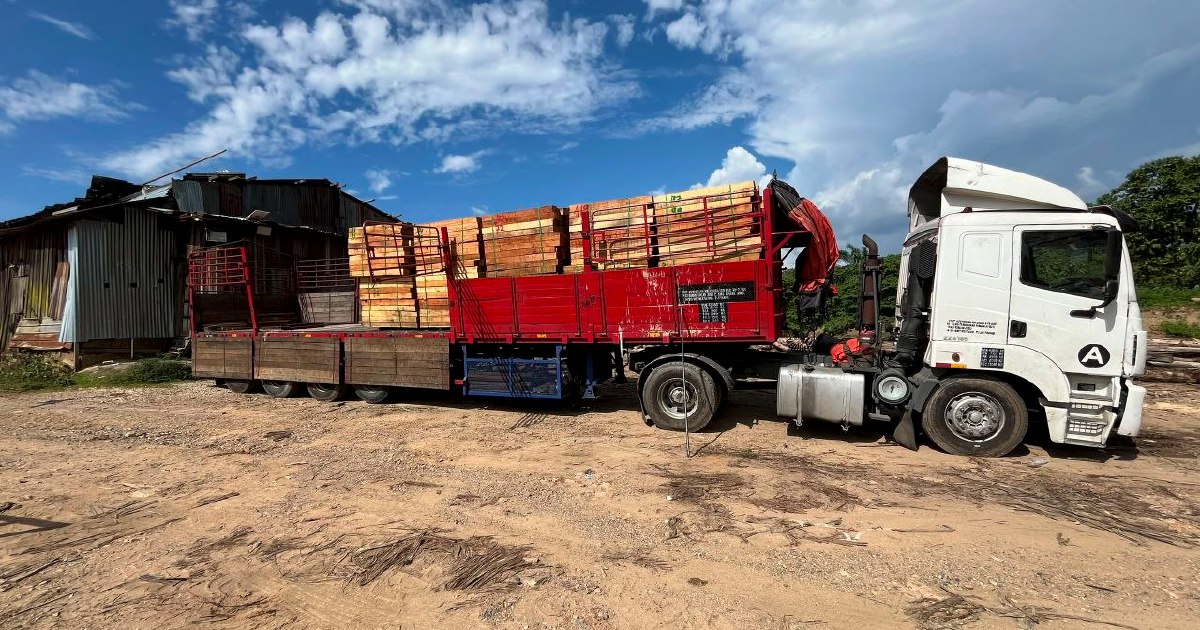
A coordinated enforcement operation in Kuala Krai has resulted in the discovery and shutdown of a clandestine timber processing facility operating in Sungai Embak, with authorities apprehending five men involved in the illegal milling enterprise. The raid, conducted yesterday, represents a significant blow against the black-market timber trade that continues to plague Malaysia's forest resources despite intensified regulatory efforts across the country.
The confiscated assets, valued collectively at RM2.32 million, comprised industrial machinery integral to the timber processing operation alongside stockpiles of processed and unprocessed timber materials. The seizure underscores the scale of investment that criminal networks have channelled into illegal logging and milling activities, transforming remote forest locations into sophisticated processing hubs that operate beneath regulatory radar. Such operations typically function with minimal overhead and documentation, allowing operators to undercut legitimate timber merchants while generating substantial profit margins.
Kelantan has emerged as a flashpoint for timber-related offences in recent years, positioned at the intersection of major forest reserves and accessible transport routes that facilitate the movement of illicit timber to processing facilities and ultimately to buyers. The state's geography and infrastructure have historically made it attractive to syndicates engaged in forest crimes, prompting enforcement agencies to intensify surveillance and intelligence-gathering operations in high-risk zones. Yesterday's raid reflects the outcome of such groundwork, demonstrating the capacity of coordinated enforcement to penetrate and dismantle entrenched illegal operations.
The arrest of five individuals marks another chapter in the ongoing struggle between law enforcement and organised illegal logging networks that derive substantial revenues from circumventing timber licensing requirements and avoiding royalty payments to the state. These syndicates operate with apparent sophistication, employing scouts to identify harvestable timber, hiring labourers to fell and transport logs, and establishing processing facilities in geographically challenging areas that complicate regulatory oversight. The individuals detained yesterday likely represent various roles within this supply chain, from facility operators to equipment handlers.
Illegal timber operations generate negative externalities extending far beyond the immediate commercial gains to the perpetrators. Environmental degradation resulting from uncontrolled logging diminishes forest cover, accelerates habitat loss for endemic species, and undermines Malaysia's international commitments to sustainability and biodiversity conservation. Communities dependent on forest resources face declining timber availability for legitimate purposes, while government revenues that would ordinarily accrue from properly licensed operations are instead channelled to criminal enterprises. The RM2.32 million in seized assets represents not merely seized property but forgone state revenue and environmental cost.
The sophistication implied by the machinery and equipment recovered during the raid suggests these operations command significant capital investment and technical expertise. Industrial milling equipment capable of processing timber at scale requires specialist knowledge to operate and maintain, indicating that the detained individuals may have included experienced technicians rather than opportunistic amateurs. This operational complexity distinguishes large-scale illegal timber networks from smaller-scale forest poaching, reflecting the industrialised nature of modern timber smuggling.
Malaysia's regulatory framework for timber harvesting relies on a licensing system administered at state level, with Forestry Department officers responsible for monitoring compliance and investigating breaches. However, the vast expanse of forest areas and the remote geography of many timber stands create inherent enforcement challenges. Illegal operators exploit these limitations by establishing processing facilities far from administrative centres, relying on corrupt networks or isolated geography to evade detection. Successful operations like the one dismantled in Sungai Embak demonstrate the effectiveness of intelligence-led enforcement but also highlight that reactive responses represent only one component of a comprehensive anti-logging strategy.
The seizure of RM2.32 million in assets has immediate implications for the supply chains these materials were destined to enter. Downstream purchasers of illegally-processed timber, whether domestic manufacturers or export-oriented traders, face disruption to their sourcing arrangements. Some may hold contracts dependent on steady supplies from specific illegal operations, creating pressure within criminal networks to replace lost capacity. This disruption effect, while temporary, can create window of opportunity for enforcement agencies to gather intelligence on supplier networks and customer relationships.
Forest crimes in Southeast Asia have attracted increasing international attention as governments and environmental organisations recognise the transnational dimensions of timber trafficking and its connection to broader environmental and governance challenges. Malaysia's experiences with illegal logging illuminate patterns that resonate across the region, where porous borders and weak cross-border enforcement facilitate timber movement between jurisdictions. Yesterday's enforcement success in Kelantan contributes to broader regional efforts to strengthen timber sector governance, though sustainable progress requires sustained political commitment and resource allocation to law enforcement agencies charged with monitoring forest industries.
The five detained individuals face prosecution under Malaysia's forestry laws, with potential penalties including substantial fines and imprisonment depending on the severity of charges and aggravating circumstances. Legal proceedings will provide opportunity to establish the scale and duration of the illegal operation and identify any connections to broader smuggling networks. Intelligence gathered during investigation may illuminate the downstream distribution channels through which processed timber reached commercial customers, potentially enabling authorities to pursue enforcement action against purchasers knowingly acquiring illegally-sourced materials.
This operation underscores the persistent challenge illegal timber networks pose to Malaysia's forest governance regime. While yesterday's enforcement action represents tangible success in dismantling one facility and apprehending five individuals, the underlying demand for cheap timber and the economic incentives attracting capital into illegal milling ensure that new operations will continue emerging unless countered by sustained enforcement pressure and heightened commercial incentives for legitimate sourcing.

