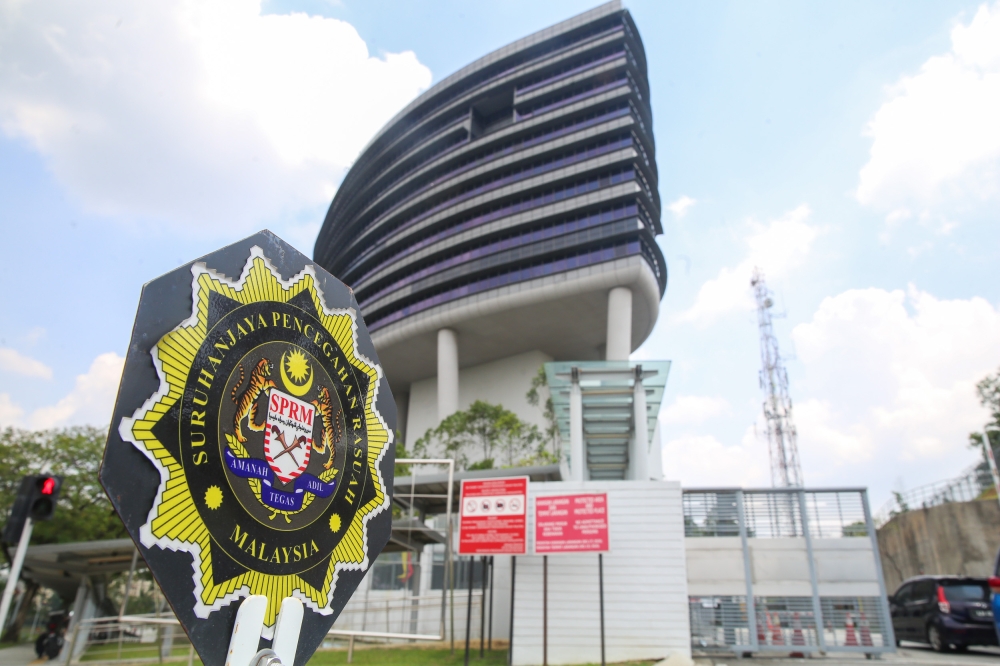
In a significant development in an expanding corruption investigation, the Malaysian Anti-Corruption Commission (MACC) has arrested five immigration officers in Putrajaya, bringing the total number of detainees under investigation to a larger cohort. The latest arrests signal that authorities are casting a wider net in their examination of alleged breaches involving the MyIMMs system, a critical government database that processes identity documentation and immigration-related services for millions of Malaysians.
The MyIMMs platform represents one of the government's most sensitive digital infrastructure assets, handling personal identification data, travel documents, and access to essential citizenship services. Any unauthorised access to this system poses significant risks to national security and public privacy, making the investigation a matter of considerable institutional concern. The arrests underscore the seriousness with which MACC is treating allegations of systematic misuse or compromise of immigration records.
These detentions come within the context of broader concerns about cybersecurity vulnerabilities within Malaysian government systems. The immigration department manages vast quantities of personal biometric data, travel histories, and identity information on virtually every citizen and countless foreign visitors. Compromises of such systems can have cascading effects across numerous government agencies and private entities that rely on immigration records for verification purposes.
The investigation appears to focus on whether individual officers exploited their system access for unauthorised purposes, potentially including information brokering or data theft for criminal syndicates. Such misconduct represents a betrayal of public trust and could facilitate identity fraud, human trafficking, document forgery, and other serious crimes. The pattern of multiple arrests suggests investigators may be uncovering an organised network rather than isolated incidents of misconduct.
For Malaysian citizens and expatriates relying on immigration services, these revelations raise legitimate questions about the integrity of their personal data held within government systems. The MyIMMs platform underpins numerous essential functions—from passport renewals to visa applications to entry and exit documentation. Any erosion of public confidence in the security of this system could affect compliance with immigration procedures and create uncertainty about data protection standards.
The MACC's expanded investigation also highlights persistent challenges facing Malaysia's civil service regarding cybersecurity awareness and ethical conduct among personnel with access to sensitive systems. Despite numerous anti-corruption campaigns and integrity initiatives, insider threats continue to pose significant vulnerabilities. The frequency of such arrests suggests that systemic controls, training, and oversight mechanisms may require substantial strengthening.
From a regional perspective, immigration security breaches in any Southeast Asian nation have cross-border implications. Compromised identity documents or falsified immigration records can facilitate movement of individuals across the region, potentially enabling human trafficking, terrorism financing, or other transnational crimes. Malaysia's immigration system intersects with those of Thailand, Singapore, Brunei, and Indonesia, making the integrity of the MyIMMs database relevant to ASEAN security architecture.
The investigation touches on the broader challenge of balancing operational efficiency with security in government digital systems. Immigration officers require system access to perform their duties, but such access creates opportunities for abuse. The scale of the alleged breaches may indicate that current access controls, audit trails, and monitoring mechanisms are insufficient to detect or prevent misconduct effectively.
These arrests will likely intensify scrutiny of immigration department management and raise questions about internal vetting processes, training standards, and disciplinary frameworks. Supervisors and department heads may face pressure to demonstrate that they were not aware of or complicit in any unauthorised access. The investigation could result in significant organisational changes, restructuring of access protocols, or replacement of key personnel.
The timing and expansion of arrests also suggest that MACC's investigation is still in its preliminary phases, with investigators uncovering additional suspects and evidence as their work progresses. Depending on the scale and nature of the alleged breaches, this could develop into one of the more significant corruption cases involving government infrastructure in recent years, with potential political ramifications for the ministry overseeing immigration matters.
Beyond the immediate investigation, these incidents underscore Malaysia's urgent need to invest in modern cybersecurity infrastructure, staff training, and institutional oversight mechanisms across all government agencies handling sensitive data. The costs of data breaches—in terms of compromised citizen privacy, national security risks, and damage to public trust—far exceed the investments required to prevent them through robust technological and administrative safeguards.

