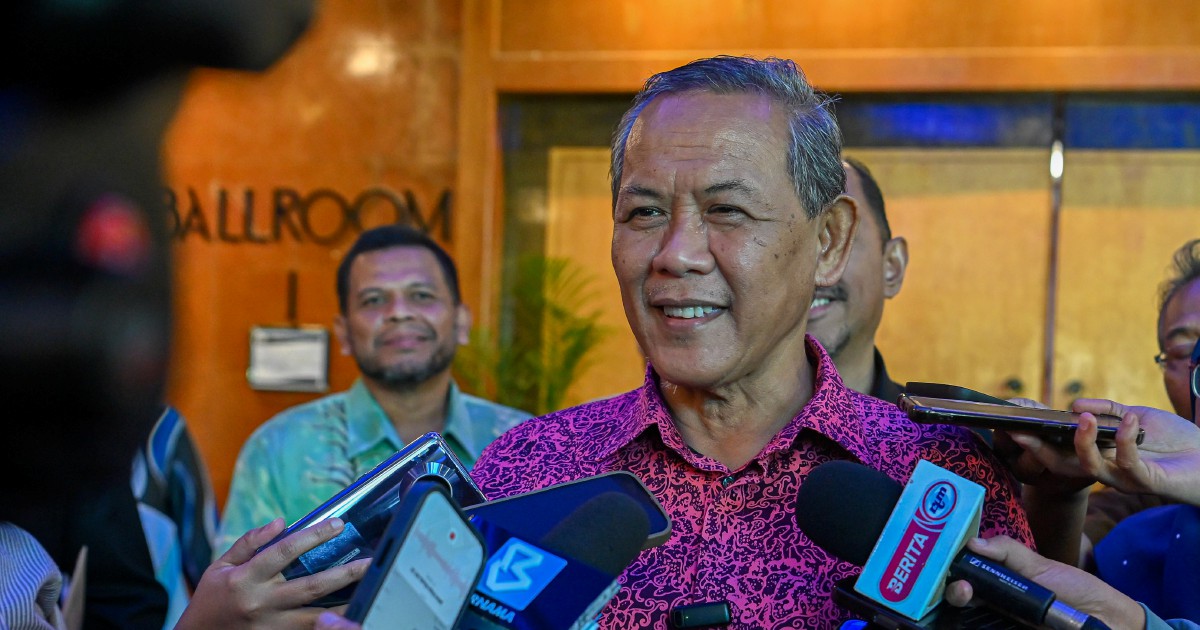
Negri Sembilan's chief administrator has made a direct appeal to the electorate to evaluate his government on its concrete efforts to tackle the chronic flooding that has plagued the Linggi area, rather than allow the matter to become a vehicle for opposition parties to score political points as the state heads toward elections.
Menteri Besar Datuk Seri Aminuddin Harun's remarks signal the administration's determination to separate the urgency of water management infrastructure from the electoral cycle. The Linggi flood issue has long bedevilled residents of this central region, with recurrent inundations disrupting livelihoods, destroying property, and creating a cycle of recovery and renewed vulnerability. By framing the discourse around mitigation work rather than blame, the state government appears intent on shifting public attention toward tangible progress rather than partisan recrimination.
The flooding challenge in Linggi stems from a combination of geographical and infrastructural factors. The river system, which flows through populated zones, lacks sufficient capacity to handle monsoon precipitation and upstream runoff. Decades of urbanisation and land-use changes have compounded drainage inefficiencies, whilst the area's low-lying topography makes it naturally susceptible to pooling and inundation during heavy rainfall. These structural problems require sustained engineering interventions and investment, not merely short-term crisis management.
Aminuddin's intervention underscores a shift in how state governments are approaching chronic infrastructure challenges. Rather than allowing opposition parties to weaponise public grievances, the Negri Sembilan administration is seeking to establish its credentials by pointing to mitigation programmes already in motion. This approach reflects recognition that voters increasingly demand evidence of action on longstanding issues, particularly when the state election is approaching and competing narratives will dominate public debate.
The 16th Negri Sembilan state election looms as a crucial test for the ruling coalition. Constituencies that have experienced repeated flooding are likely to be keenly contested, as candidates from both government and opposition benches vie to convince residents that their party can better address infrastructure deficiencies. For the government, countering the opposition's narrative requires demonstrating that mitigation works are progressing and that long-term solutions are being pursued systematically rather than haphazardly.
Malaysian political history shows that local infrastructure failures often translate into electoral losses when communities feel neglected or unsupported. The 2018 elections saw several constituencies shift allegiance partly due to dissatisfaction with drainage and flood management. Aminuddin's call for voters to focus on government action rather than political point-scoring suggests the state leadership is acutely aware of this electoral reality and is positioning itself as results-oriented rather than merely rhetorical.
The mitigation programmes referenced by Aminuddin likely encompass a range of engineering and planning measures. These may include riverbank reinforcement, dredging operations to clear silt and debris that reduce channel capacity, the installation or upgrading of drainage culverts and pumping stations, and coordination with the federal water authority to manage reservoirs and water release schedules. Additionally, land-use planning that restricts development in high-risk flood zones represents a longer-term strategy to reduce exposure and vulnerability.
For Malaysian residents in flood-prone areas, the distinction between political rhetoric and genuine mitigation is not merely academic. Communities that have endured multiple flood cycles understand that promises made during election campaigns often go unfulfilled or are superseded by changing political priorities. Aminuddin's emphasis on works already underway rather than future pledges reflects an attempt to anchor his government's credibility in demonstrable progress rather than aspirational commitments.
The broader Southeast Asian context adds weight to this issue. With climate change intensifying rainfall patterns and sea-level rise affecting coastal and low-lying zones, flood resilience has become a defining metric of governmental competence across the region. States and nations that successfully implement comprehensive mitigation strategies gain public confidence and electoral favour, whilst those that appear reactive or indecisive suffer political consequences. Aminuddin's positioning of Negri Sembilan as a state actively managing its flood challenges is therefore strategically important both locally and within the competitive landscape of Malaysian state politics.
Opposition parties, however, are likely to counter that mitigation work should have been prioritised decades earlier, and that the scale of current investment reflects belatedness rather than forward-thinking governance. They may argue that chronic flooding in Linggi indicates systemic planning failures and that voters deserve not merely acknowledgement of the problem but assurance of transformative solutions. The electoral debate in the lead-up to the 16th state election will therefore centre on competing claims about the adequacy and timeliness of flood management efforts.
Aminuddin's message also carries an implicit appeal for communal unity in addressing infrastructure challenges. By requesting that voters set aside political tribalism and judge the government on merit, he is invoking a shared interest in flood prevention that transcends party allegiance. Whether such appeals resonate depends partly on whether residents perceive tangible improvements in their daily experience of living in flood-prone areas and feel confident that current investments will yield lasting benefits.
As the state election approaches, the Linggi flood issue will remain a litmus test of the Negri Sembilan government's grip on essential services and its capacity to deliver on infrastructure promises. Aminuddin's call for depoliticisation reflects confidence in the progress being made, but the ultimate verdict will rest with voters who experience either the success or failure of these mitigation efforts firsthand.

