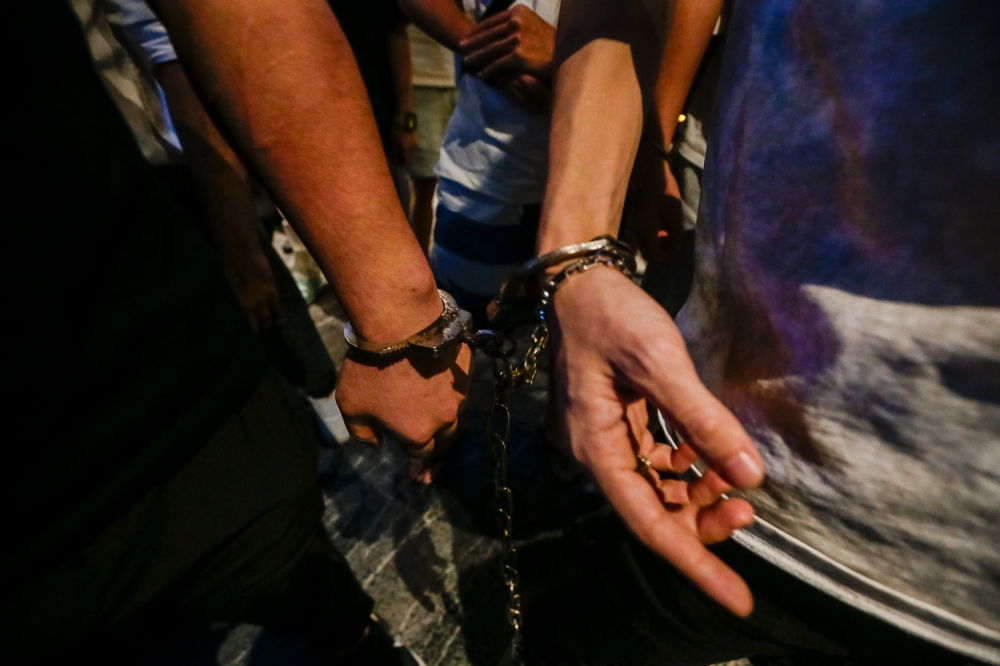
A foreign composer has been taken into police custody following allegations of assault and threats directed at a student at a private educational institution in the Cheras district of Kuala Lumpur. The arrest, executed by officers from the Cheras Police District, represents another case of alleged misconduct within Malaysia's private education sector, where safeguarding standards and staff conduct have become increasingly scrutinised by authorities and parents alike.
The incident underscores ongoing concerns about student safety in Malaysia's diverse educational landscape. Private institutions, while offering alternative pedagogical approaches and often specialising in niche disciplines such as music and performance arts, operate under varying levels of oversight compared to their government-funded counterparts. When incidents of alleged assault occur within these settings, they frequently trigger broader conversations about institutional accountability and the adequacy of protective mechanisms for vulnerable student populations.
The nature of the allegations—specifically assault combined with threats—suggests a pattern of escalating behaviour rather than an isolated moment of poor judgment. Such combinations of offences indicate potential ongoing intimidation, a factor that prosecutors and investigating officers typically weigh heavily when determining whether detention or bail conditions are warranted. The decision to formally arrest rather than merely question the composer suggests that police investigators identified sufficient prima facie evidence to pursue the matter through formal channels.
The private education sector in Malaysia encompasses institutions ranging from small specialised academies to large international chains, with varying disciplinary frameworks and reporting mechanisms. Many such establishments employ expatriate professionals, particularly in specialised fields such as music composition and performance instruction, where Malaysian talent pools may be limited or where institutions deliberately seek international expertise. However, the presence of foreign nationals in positions of authority over students creates additional complexity, particularly regarding employment documentation, work permits, and the applicability of Malaysian employment law to non-citizens.
From a procedural standpoint, police investigations into assault allegations at educational institutions must balance several competing considerations. Investigators must obtain detailed statements from the victim, preserve evidence, identify potential witnesses among other students and staff members, and determine whether institutional records or security footage corroborate the complainant's account. The involvement of a minor or young person adds urgency, as authorities have heightened obligations to protect minors during the investigative process and to ensure that evidence collection does not re-traumatise the victim.
The decision to charge the composer with assault and threatening conduct rather than pursuing alternative charges reflects the specific allegations brought by the student and corroborating evidence uncovered during preliminary investigation. Malaysian law recognises distinctions between different categories of assault, ranging from simple hurt to causing grievous injury, with sentencing varying accordingly. The inclusion of threatening charges suggests that documented or witnessed verbal conduct accompanied the physical allegations, strengthening the prosecution's case by demonstrating a sustained pattern of intimidatory behaviour.
For the private institution involved, the arrest creates immediate reputational and operational challenges. Educational establishments rely fundamentally on parental trust and the confidence of the student community. When allegations of staff misconduct surface, institutions face pressure to demonstrate robust response protocols and to reassure stakeholders that appropriate protective measures exist. Many institutions respond by temporarily suspending implicated staff members pending investigation outcomes, commissioning internal reviews, or engaging with parents to provide transparency about incident response procedures.
The case also highlights the international dimensions of Malaysia's education sector. Expatriate professionals contribute significantly to Malaysia's positioning as a regional education hub, but the legal framework governing their conduct and obligations remains uneven. Questions inevitably arise about whether hiring institutions conducted thorough background checks, verified professional credentials, and established clear behavioural expectations. Employment documentation, including visa status and the scope of work permits, becomes relevant to broader questions about institutional due diligence.
From a victim support perspective, Malaysian authorities have increasingly emphasised trauma-informed approaches when handling allegations of assault involving students. Police specially trained in interviewing young victims, counselling services offered through educational institutions, and legal representations for minors in court proceedings all reflect evolving standards. However, access to such resources varies considerably between urban centres like Kuala Lumpur and more remote areas, highlighting systemic inequalities in victim protection infrastructure.
The investigation's progression through the criminal justice system will establish whether sufficient evidence supports formal charges. If charges are preferred, the case will proceed through magistrate's courts or higher courts depending on the severity classification. Throughout the process, the composer retains presumption of innocence unless and until convicted beyond reasonable doubt—a fundamental legal principle that must be maintained despite the severity of allegations and public concern about student safety.
Beyond this specific incident, the case contributes to broader policy discussions within Malaysia regarding institutional governance in private education, clearer accountability mechanisms, standardised safeguarding protocols, and enhanced oversight frameworks. Policymakers and education sector stakeholders will likely examine whether existing regulatory structures adequately address staff conduct standards and provide sufficient student protection measures across Malaysia's diverse educational institutions.

