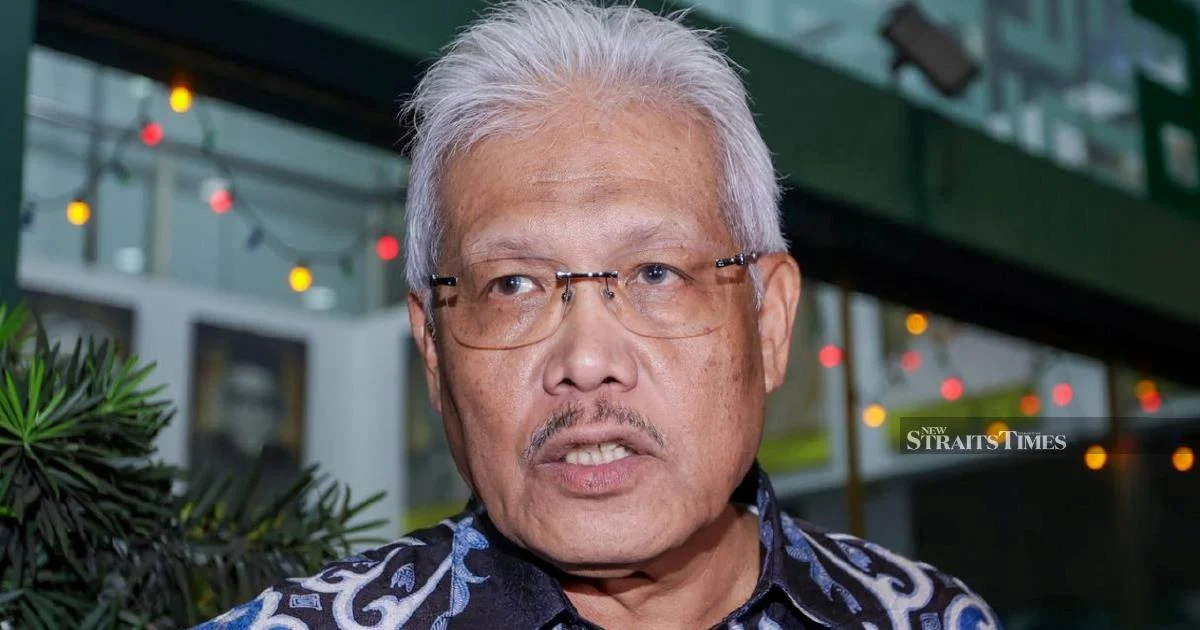
Datuk Seri Hamzah Zainudin's formal designation as opposition leader will be communicated to the Dewan Rakyat Speaker through official channels before Parliament reconvenes, according to statements made in Kota Baru. The procedural step represents the culmination of political negotiations that have reshaped Malaysia's parliamentary landscape, cementing the leadership structure of the opposition bloc that gained prominence following recent electoral shifts.
The notification process reflects constitutional conventions governing the appointment of senior parliamentary positions. Under standing orders of the Dewan Rakyat, the Speaker must receive formal notice of opposition leadership designations to ensure institutional clarity and facilitate appropriate parliamentary protocols. This administrative formality, while routine, carries symbolic weight in recognizing the legitimacy of opposition leadership within Malaysia's Westminster-style parliament.
Hamzah Zainudin, a seasoned politician with extensive experience in both executive and legislative roles, brings considerable parliamentary credentials to the opposition frontbench. His appointment follows internal opposition coalition negotiations and reflects broader repositioning within Malaysia's opposition ranks following recent political developments. The formal notification will establish him as the principal interlocutor with government on opposition matters and grant him access to resources and privileges designated for opposition leadership.
The timing of this announcement—with emphasis on completion before the next parliamentary sitting—demonstrates attention to procedural propriety and transparency. Parliament's calendar, typically punctuated by regular sessions spanning several days, provides established opportunities for such formal notifications. Early notification ensures all parliamentary machinery, from the Speaker's office to opposition administrative structures, operates with full awareness of the leadership configuration.
For Malaysian opposition politics, establishing clear leadership hierarchies carries practical implications extending beyond ceremonial recognition. Opposition leaders coordinate parliamentary scrutiny of government legislation, coordinate their parties' voting strategies on key bills, and serve as primary spokespeople engaging media and constituents on behalf of the opposition bloc. Formalizing this role through parliamentary notification elevates Hamzah's authority in these functions and provides procedural backing for his parliamentary interventions.
The opposition bloc itself encompasses multiple political parties with varying interests and ideological orientations. A formally recognized leader provides focal point for coalition cohesion during parliamentary sessions, where divisions could undermine collective scrutiny capabilities. Hamzah's appointment appears designed to strengthen opposition unity in the Dewan Rakyat, where disciplined voting and coordinated speeches amplify opposition impact on legislative proceedings and public discourse.
Parliamentary procedure governing opposition leadership in Malaysia derives from Westminster traditions and has evolved through accumulated practice. The Speaker, serving as neutral custodian of parliamentary rules, must acknowledge and recognize opposition leadership to facilitate seating arrangements, speaking protocols, and access to parliamentary facilities designated for senior opposition figures. The formal notification initiates administrative processes ensuring these arrangements operate smoothly.
Regionally, opposition leadership structures in Southeast Asian parliaments vary considerably in formality and institutional recognition. Malaysia's approach of formal notification reflects commitment to transparency and institutional clarity—principles increasingly valued in mature democracies navigating competitive multiparty systems. The procedural emphasis suggests institutional confidence that even robust opposition voices can be accommodated within established parliamentary frameworks.
Hamzah Zainudin's background in various ministerial portfolios, including defence and home affairs, means his opposition leadership carries weight beyond typical backbench figures. His governmental experience provides credibility in critiquing executive decisions and policy implementation, allowing opposition scrutiny grounded in practical administrative knowledge. This capacity enhances opposition effectiveness beyond purely partisan considerations.
The announcement from Kota Baru, the capital of Kelantan, carries geographic significance given the state's established opposition stronghold status. This location reinforces the notion that opposition consolidation reflects broad-based political reorganization extending across multiple Malaysian states and constituencies. Regional power bases within opposition-held states provide infrastructure and organizational capacity supporting national opposition coordination.
Looking forward, the formal notification will presumably trigger corresponding parliamentary staff arrangements ensuring Hamzah receives briefing materials, parliamentary research services, and opposition office allocations befitting his leadership position. These logistical foundations enable effective parliamentary functioning and support opposition capacity to scrutinize government pronouncements with necessary documentation and analytical resources.
The transition toward formal recognition of new opposition leadership structures indicates Malaysia's political system continues operating according to institutional rules even amid significant political flux. Rather than ad hoc arrangements, the approach favors transparent procedures that vest leadership roles with clear authority. This institutionalization of opposition leadership roles demonstrates democratic systems' resilience in accommodating political change through established channels rather than extra-institutional means.
As Parliament prepares for its next sitting, the formalization of Hamzah Zainudin's position will signal definitively to government and international observers that opposition coalition realignment has concluded and coherent alternative leadership now confronts the government benches. This clarity facilitates productive parliamentary engagement grounded in mutual recognition of legitimate opposing viewpoints contesting for legislative dominance and public support.
%22%2F%3E%3C%2Fpattern%3E%3C%2Fdefs%3E%3Crect%20width%3D%22100%25%22%20height%3D%22100%25%22%20fill%3D%22url(%23phb2gtg)%22%2F%3E%3Crect%20width%3D%22100%25%22%20height%3D%22100%25%22%20fill%3D%22url(%23phb2gtp)%22%2F%3E%3Ctext%20x%3D%2250%25%22%20y%3D%2250%25%22%20text-anchor%3D%22middle%22%20dominant-baseline%3D%22central%22%20fill%3D%22rgba(255%2C255%2C255%2C0.95)%22%20font-family%3D%22Georgia%2C%20'Times%20New%20Roman'%2C%20serif%22%20font-weight%3D%22700%22%20font-size%3D%22272%22%20letter-spacing%3D%22-0.02em%22%3EPerak%3C%2Ftext%3E%3C%2Fsvg%3E)