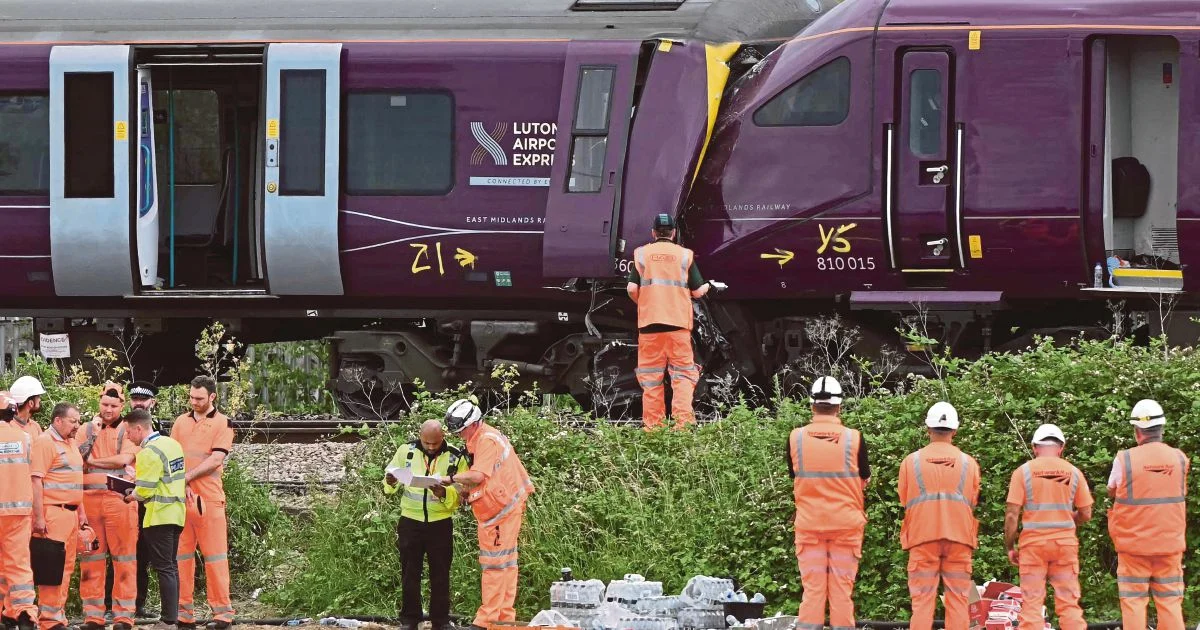
Accident investigators in the United Kingdom have launched a comprehensive inquiry into the causes of a serious train collision that occurred north of London, resulting in one fatality and leaving 28 people requiring hospital treatment. The incident, which unfolded near Bedford, saw one of the train drivers lose his life in the crash, while nine of the injured passengers are reported to be in critical condition at various medical facilities.
The collision represents a significant transport safety incident in the UK rail network, prompting immediate intervention from the country's dedicated accident investigation authority. The scale of casualties—with just under 30 people hospitalised—indicates the severity of the impact between the two trains involved. Emergency response teams reached the scene swiftly, coordinating evacuations and providing immediate medical assistance to the injured before transferring them to nearby hospitals.
Traffic along the rail corridor was severely disrupted following the accident, with investigators securing the scene to preserve evidence and conduct detailed examinations of both trains and the surrounding track infrastructure. The Bedford area, which forms part of the East Midlands rail network serving commuters and regional passengers, experienced significant service delays as authorities prioritised the investigation and passenger welfare.
For Malaysian and Southeast Asian observers, this incident underscores the critical importance of robust rail safety protocols and infrastructure maintenance in high-traffic passenger networks. While the UK maintains some of the world's most developed railway systems with advanced safety measures, the occurrence demonstrates that even mature transport networks remain vulnerable to accidents when systems interact. The severity of injuries sustained suggests the collision involved substantial forces, likely exceeding standard safety parameters.
The loss of a professional driver highlights the human cost of rail incidents. Train operators in Malaysia and across Southeast Asia rely heavily on driver expertise and vigilance to prevent such catastrophes, yet even experienced personnel cannot always mitigate mechanical or systemic failures. This incident may prompt regional transport authorities to review their own incident response protocols and investigation frameworks.
Investigators will examine multiple potential contributing factors, including signalling system functionality, track conditions, weather circumstances at the time of collision, driver communication records, and whether proper spacing and scheduling protocols were maintained between services. The presence of nine critically injured passengers suggests some individuals sustained severe trauma, with long-term recovery prospects uncertain pending medical updates.
Rail networks across Europe, including the UK system, operate under stringent European Union and domestic regulatory frameworks designed to minimise collision risk through automatic braking systems, modern signalling infrastructure, and regular maintenance schedules. The fact that this collision occurred despite these safeguards raises questions about system effectiveness and whether emergency protocols functioned as intended.
The investigation will likely require several weeks to complete, involving reconstruction of the trains' movements in the minutes preceding impact, analysis of communication records between drivers and control centres, and technical examination of both trains' braking and monitoring systems. Such investigations typically result in detailed reports that identify systemic weaknesses and generate recommendations for industry-wide improvements.
For passengers and families affected by this incident, the focus now shifts to recovery and understanding how such an event could occur. The critical injuries reported suggest some individuals may face prolonged hospitalisation and rehabilitation, placing strain on local healthcare resources and family support networks.
The broader implications for UK rail operations remain to be seen, though such incidents typically lead to temporary service modifications while investigations proceed, followed by implementation of recommendations designed to prevent recurrence. Industry stakeholders will be monitoring the investigation closely to understand lessons applicable to their own operations.
From a regional perspective, Southeast Asia's rapidly expanding rail networks—from Malaysia's own extensive passenger and freight systems to Singapore's integrated transport hub and Thailand's expanding rail corridors—will be observing this investigation's findings. As nations throughout the region modernise their rail infrastructure and increase service frequencies, understanding failure modes in mature networks becomes increasingly valuable for preventing similar incidents locally.