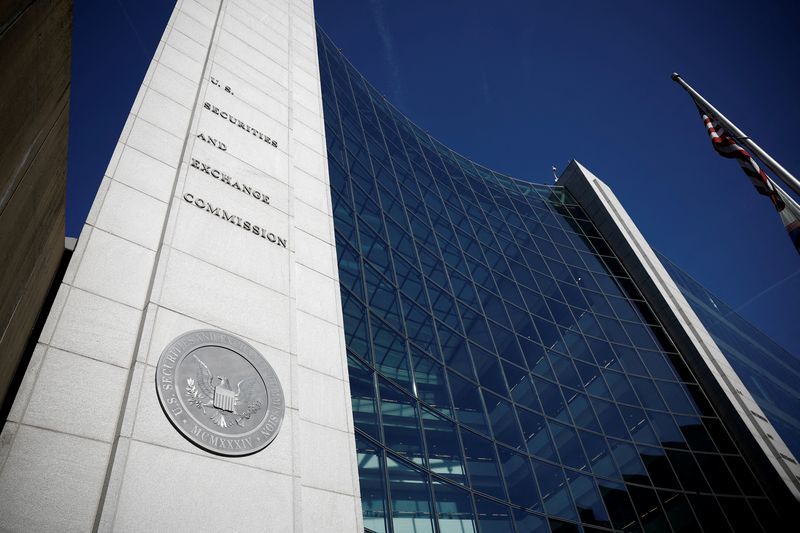
United States securities regulators have brought charges against Jason Satsky, a former senior investment banker at Bank of America, in connection with an insider trading case centring on an energy company acquisition. The Securities and Exchange Commission alleges that Satsky improperly disclosed confidential merger information to Gavin Wolfe, a decades-long personal acquaintance, enabling Wolfe to accumulate substantial profits through trading on nonpublic knowledge. The alleged breach involved the proposed acquisition of South Jersey Industries, an energy holding company, which ultimately sold for $8.1 billion in February 2022. Regulators contend that Wolfe capitalised on the advance notice by purchasing more than 2.2 million shares of the company's parent entity, ultimately realising a 36 per cent gain worth approximately $18.5 million in illegal profits.
Satsky held a prominent position within Bank of America's investment banking division, serving as co-head of the Americas power and renewable energy banking unit at the time of the alleged violations. The SEC's investigation reveals that communication between the two men regarding the South Jersey Industries transaction occurred repeatedly during late 2021, ahead of the deal's public announcement. The frequency and specificity of these interactions, according to regulators, suggest deliberate passing of material information rather than casual conversation. The investigation notes that the two men, who have known each other for more than twenty years following earlier professional collaborations in the energy sector, communicated about the acquisition across multiple occasions and settings.
One particularly notable interaction allegedly took place during a nationally televised college basketball game between Duke and Kentucky held at Madison Square Garden in New York. Satsky had obtained luxury box seating through Bank of America, and regulators allege the two men discussed the potential acquisition during this event whilst accompanied by their respective wives. The use of a high-profile sporting venue for discussing material nonpublic information demonstrates, according to the SEC, the calculated nature of their communications and their apparent comfort in breaching confidentiality protocols. The choice of location and circumstances surrounding these conversations form part of the regulatory case suggesting knowledge of impropriety.
Wolfe, aged 55, operates Evergreen Capital, an investment management firm overseeing Wolfe family assets. Prior to joining Bank of America in 2012 alongside Satsky, Wolfe held a senior banking position at Credit Suisse specialising in power and renewable energy. His professional background in the sector positioned him to understand the significance of Satsky's alleged disclosures and to act decisively on the information. The $53 million position Wolfe accumulated in South Jersey Industries shares represented a substantial bet on the company's future, one that proved remarkably prescient given the subsequent acquisition announcement and resulting stock price movement.
Satsky, now 59 years old and based in New York, has been terminated from his position at Bank of America, with the bank confirming the separation occurred in March 2025. Bank of America itself has not faced any regulatory allegations and emphasised that the alleged misconduct reflects individual wrongdoing rather than institutional failings. The bank's swift action in removing Satsky from its payroll may reflect both internal compliance concerns and the reputational implications of having employed someone accused of such violations. The timing of his termination roughly coincided with regulatory investigation activities, suggesting the bank became aware of potential issues and took corrective action.
Both men have mounted vigorous defences against the charges. Through his legal representation, Satsky categorically denies providing Wolfe or any other party with material nonpublic information concerning South Jersey Industries. His attorney, Robert Anello, has stated that his client is confident evidence will vindicate his position and demonstrate compliance with applicable securities regulations. Anello's assertion that Satsky acted properly directly contradicts the SEC's core allegations regarding information transmission. Simultaneously, Wolfe's legal counsel has presented an alternative narrative suggesting that Wolfe's substantial share purchases resulted from independent investment analysis rather than tips received from Satsky. Wolfe's lawyer, Reed Brodsky, contends that the SEC's case disregards sworn testimony and documentary evidence supporting an independent investment thesis as the basis for Wolfe's securities transactions.
The SEC's enforcement action seeks comprehensive remedies extending beyond financial penalties. Regulators aim to recover all gains Wolfe obtained through his trades, representing the illicit profits themselves. Additionally, the enforcement division is requesting civil monetary fines against both individuals and seeking lifetime bans from serving as officers or directors of public companies, sanctions that would effectively exclude them from formal roles in corporate governance and securities market participation at the highest levels. These remedies represent escalating consequences for securities law violations, particularly cases involving breach of fiduciary duty and the misuse of confidential information obtained through investment banking relationships.
The case highlights recurring vulnerabilities within investment banking compliance frameworks, where professionals with access to material nonpublic information maintain significant social and professional networks. The decades-long relationship between Satsky and Wolfe, combined with their shared professional background in energy banking, created circumstances where information transfer could occur with relative subtlety. The casual settings in which communication allegedly transpired, including sporting events and social gatherings, demonstrate that insider trading can occur outside formal trading rooms or documented channels, complicating compliance monitoring. Bank of America and other financial institutions face ongoing challenges in preventing information leakage where sophisticated professionals understand both the significance of confidential data and the methods by which it might be disclosed without obvious detection.
For Malaysian and Southeast Asian investors and market participants, this case underscores the importance of regulatory vigilance in securities markets globally. The enforcement actions taken by the SEC reflect the seriousness with which developed markets treat insider trading violations and the substantial consequences imposed on violators. As regional capital markets increasingly integrate with international financial networks, understanding enforcement standards and trading restrictions becomes essential. The case demonstrates that insider trading prosecutions can unfold years after alleged violations occur, as investigators piece together trading patterns, communications, and market timing to establish liability. Market participants in Malaysia and across ASEAN should recognise that engagement with international securities markets carries exposure to multiple regulatory regimes, each with its own enforcement priorities and penalties.

