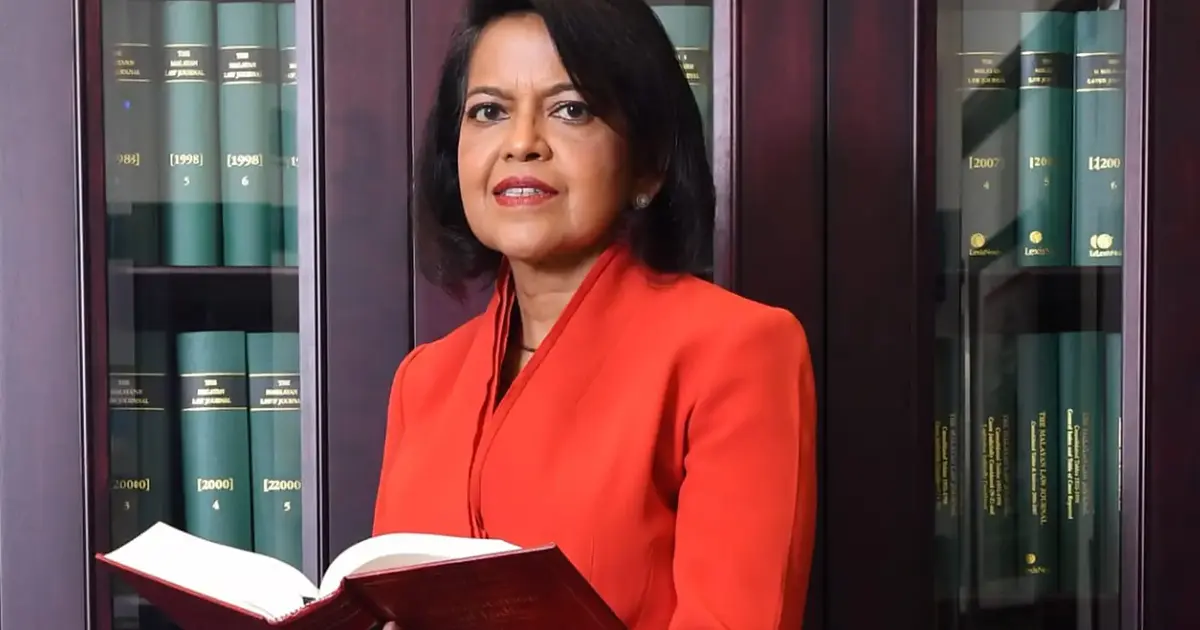
Nallini Pathmanathan, a former judge of Malaysia's highest court, has assumed the chairmanship of the Malaysian Media Council at a critical juncture for the nation's news industry. Her appointment signals an attempt to strengthen governance and judicial oversight within the body responsible for media standards and ethical conduct, bringing to the role considerable experience from her previous judicial career.
The Malaysian Media Council has positioned this leadership transition as a strategic response to the evolving landscape of contemporary journalism. As Malaysia's media ecosystem continues to transform—driven by digital disruption, shifting consumer habits, and intensifying economic pressures on traditional news operations—the council recognises the need for experienced governance to navigate these complex challenges. Pathmanathan's background in the judiciary suggests the council intends to emphasise impartiality, legal rigour, and formal procedural standards in its operations moving forward.
Pathmanathan's judicial experience carries particular weight in a Malaysian context where concerns about press freedom, media independence, and journalistic standards remain subject to ongoing public debate. Her elevation to the council's top position underscores the institution's commitment to addressing accusations that Malaysia's media environment requires stronger safeguards for editorial integrity and professional conduct. The council functions as a self-regulatory body, establishing codes of ethics and handling complaints from readers and viewers about media outlets, making leadership credibility essential to its effectiveness.
The appointment arrives during a period when Malaysia's media industry faces multifaceted pressures. Economic headwinds have forced newsrooms to reduce staff and consolidate operations, while the proliferation of digital platforms and social media has fragmented audience attention and advertising revenue streams. Traditional newspaper and broadcast outlets struggle to maintain profitability, creating tensions between commercial imperatives and editorial independence that industry observers say undermine public trust in Malaysian journalism.
Pathmanathan's transition from the bench to media governance represents a notable career shift that reflects the intersection of Malaysia's legal and media sectors. The council benefits from her understanding of constitutional law, judicial reasoning, and the frameworks that protect press freedom—constitutional rights that remain debated in Malaysian legal circles. Her judicial background may also enable more sophisticated engagement with complex cases involving allegations of defamation, privacy breaches, or violations of journalistic codes of conduct.
The council's challenges extend beyond economic viability to questions of media plurality and ownership concentration. Malaysia's media landscape remains dominated by a handful of large publishers and broadcasters, raising longstanding concerns among academics and press freedom advocates about diversity of viewpoints and the representation of marginalised communities. How Pathmanathan's leadership addresses these structural questions will likely define her tenure and influence the council's relevance to broader debates about democratic participation and information access.
International media watchdogs have periodically highlighted concerns about Malaysia's media environment, citing instances where journalists report self-censorship and government pressure. The Malaysian Media Council, despite its self-regulatory remit, operates within a national context shaped by sedition laws, official secrets legislation, and defamation statutes that critics argue create a chilling effect on investigative reporting. Pathmanathan's appointment may signal openness to dialogue with civil society groups and international media organisations concerned about these dynamics.
The leadership change also reflects broader trends within Southeast Asian media governance, where many countries have sought to balance self-regulation with formal legal oversight. Malaysia's approach—relying primarily on industry self-regulation through the council rather than statutory media commissions—places significant responsibility on the council to demonstrate legitimacy and effectiveness. Pathmanathan's judicial credibility may enhance the institution's standing among sceptics who question whether industry bodies can adequately protect public interests without formal government accountability mechanisms.
For Malaysian journalists and news organisations, Pathmanathan's appointment carries implications for how editorial disputes, ethical complaints, and grievances are handled. Her track record on judicial matters—particularly any decisions touching on press freedom, defamation, or constitutional rights—will inform how industry players anticipate her council leadership. Newsroom cultures across Malaysia will be watching whether she pursues a collaborative approach to standard-setting or adopts a more formal, rule-based enforcement model.
The council's mission to maintain professional standards assumes growing importance as misinformation and disinformation campaigns proliferate across Malaysia's digital ecosystem. Traditional media outlets, despite their economic struggles, remain influential sources of information that many Malaysians consult for news about politics, economics, and social affairs. Strengthening the council's capacity to define and enforce ethical standards becomes more vital when the information environment is crowded with unverified claims and partisan content.
Pathmanathan's appointment also reflects demographic and professional changes within Malaysia's institutional leadership. Her elevation to a prominent governance role in a traditionally significant sector demonstrates the expanding representation of women in top positions across legal, media, and civic institutions, though questions remain about whether such appointments represent genuine institutional reform or symbolic gestures without corresponding shifts in power dynamics.
Looking ahead, the council under Pathmanathan's direction will need to address how traditional media standards apply in an age of social media, user-generated content, and transnational information flows. Her judicial experience with evolving legal questions suggests she may approach the council's regulatory challenges with flexibility and sensitivity to new technological realities, though her exact strategic vision remains to be articulated publicly.
The appointment represents a moment when Malaysia's media industry acknowledges the need for strengthened institutional leadership while confronting structural challenges that no council chairperson can single-handedly resolve. Pathmanathan's tenure will be measured not only by her management of complaints and disputes but by her ability to elevate broader conversations about journalism's role in Malaysian democracy and the conditions necessary for a thriving media ecosystem.