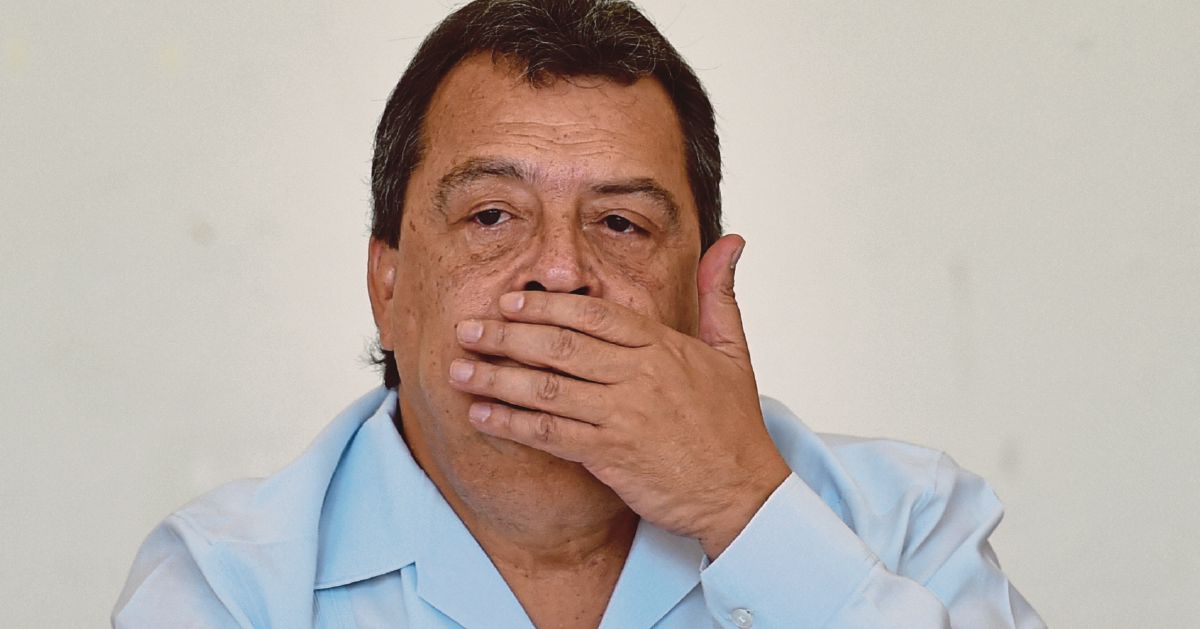
Authorities in Mexico have apprehended the former governor of Guerrero state, marking a significant development in the long-running investigation into the 2014 disappearance of 43 students. The arrest was announced on Thursday and relates to allegations that the former official orchestrated the destruction of evidence that could have potentially clarified the fate of the missing students, according to official statements from Mexican law enforcement agencies.
The disappearance of the 43 students from Ayotzinapa Rural Teachers College in September 2014 remains one of Mexico's most troubling criminal cases and a focal point for widespread criticism of government handling of missing persons. The incident sparked international attention and calls for accountability from human rights organizations across the globe. The investigation has exposed systemic failures in how Mexican authorities managed the initial response and subsequent inquiry into the case.
The arrest represents a turning point in holding officials responsible for their role in obstructing justice rather than pursuing leads. For nearly a decade, families of the missing students have pressed for answers and accountability from those in positions of power. This development suggests that investigations are now extending beyond the immediate perpetrators to include government officials who may have deliberately impeded the search for truth. The focus on evidence destruction reflects growing recognition that collusion and cover-ups at higher administrative levels contributed to the case's continued opacity.
Mexico's justice system has faced persistent criticism over its capacity to resolve high-profile disappearance cases, with experts attributing failures partly to corruption within law enforcement and deliberate obstruction by officials. The Guerrero state, situated in Mexico's south, has long been plagued by organized crime activity and institutional weakness. This latest arrest underscores how criminal networks have historically maintained influence over state institutions, creating environments where evidence vanishes and accountability becomes elusive.
The 2014 incident galvanized Mexican civil society and international observers who questioned the government's commitment to investigating the case thoroughly. Multiple independent investigations, including those by international organizations, have challenged the official narrative and revealed inconsistencies in the official investigation. The arrest now brings scrutiny to the administrative machinery that may have actively hindered these investigative efforts rather than facilitating them.
For Malaysian and Southeast Asian observers, this case illustrates broader regional challenges regarding accountability in disappearance cases and the role of state actors in obstruction. Southeast Asian nations have faced similar criticisms regarding transparency in handling missing persons cases, particularly those with alleged links to security forces or organized crime. The Mexican precedent of extending criminal liability to officials who destroy evidence offers potential lessons for how regional governments might strengthen institutional safeguards and oversight mechanisms.
The implications of this arrest extend beyond the immediate case. It signals that Mexican courts may be willing to pursue obstruction charges against former officials, a development that could encourage other investigations into potential evidence destruction or witness intimidation in high-profile cases. Such momentum is crucial in contexts where institutional impunity has historically protected powerful figures from accountability. The precedent could reshape how investigations into disappearances proceed in Mexico and potentially influence practices elsewhere in Latin America.
Families of the 43 missing students have long advocated for comprehensive investigations into official involvement in the case. Their persistent pressure, combined with international scrutiny, appears to have contributed to prosecutors expanding the investigation's scope beyond street-level perpetrators to include those at administrative levels. This evolution demonstrates how sustained civil society engagement can push judicial systems toward greater accountability, even when institutions initially resist such scrutiny.
The destruction of evidence in disappearance cases represents one of the most serious obstructions of justice, as it eliminates crucial leads and technical evidence that might establish facts about missing persons. Mexican authorities have documented how evidence related to the 43 students' case was compromised or eliminated during the years following their disappearance. The arrest suggests prosecutors now have sufficient evidence to establish that these destructions were deliberate rather than merely negligent.
Governance experts note that addressing disappearances comprehensively requires not only investigating criminal acts but also examining how state institutions failed to protect citizens and subsequently obstructed justice. Guerrero state's documented ties to organized crime and demonstrated institutional weakness made it particularly vulnerable to the kind of systemic obstruction now being prosecuted. Understanding these structural vulnerabilities is essential for developing reforms that prevent similar cases in the future.
The investigation into this arrest will likely reveal communications and documentary evidence regarding how officials coordinated the destruction of materials. Such revelations could expose broader patterns of institutional complicity that shaped the investigation's trajectory over nearly a decade. International observers will be monitoring whether the arrest translates into convictions and meaningful institutional reforms that reduce future opportunities for evidence destruction.
As Mexico continues grappling with its troubling record on disappearances and justice, developments in the Ayotzinapa case acquire symbolic significance. This arrest represents a moment where judicial authorities appear willing to challenge the protective structures that have historically shielded officials from consequences. Whether this commitment extends to comprehensive institutional reform or remains limited to prosecuting individual former officials will shape perceptions of Mexico's commitment to accountability in such cases going forward.

