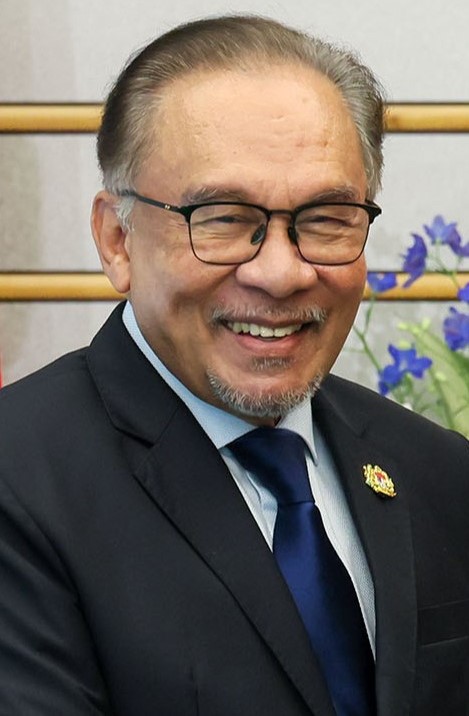
Onn Hafiz Ghazi, the sitting Barisan Nasional chairman for Johor and a former federal health minister, has confirmed his candidacy for the Machap state assembly seat in the upcoming Johor elections. His participation marks a significant moment in the state's political calendar, cementing his position as a key figure within the coalition's electoral strategy for the crucial southern state.
The decision underscores the continued reliance Barisan Nasional places on established political figures who have demonstrated both parliamentary experience and administrative capability. Ghazi's tenure at the health portfolio gave him national visibility and executive experience managing complex portfolios during his time in federal government. His return to party activities represents a consolidation of leadership within Umno's state machinery at a time when the coalition faces renewed competition in electoral contests.
Machap, the constituency Ghazi has previously represented, remains a competitive seat where his incumbency advantage will prove decisive. The area's political complexion and voter demographics have made it a bellwether for broader trends in Johor's electoral landscape. His decision to stand again demonstrates confidence in his local support base and reflects calculations that his track record and connections warrant another term.
The announcement carries particular significance given the broader context of Malaysian politics, where former ministers often face questions about their political viability following departure from high office. Ghazi's willingness to contest a state seat rather than seek a federal position illustrates a deliberate choice to maintain influence at the state level, where policy decisions directly affect constituents' daily lives through education, local development, and community services.
Johor's political environment remains intensely competitive, with both Pakatan Harapan and Perikatan Nasional mounting aggressive campaigns across state constituencies. Barisan's performance in the state will significantly impact the coalition's overall positioning in Malaysian politics, making individual candidate selections critically important. The party clearly views Ghazi as a valuable asset capable of delivering his constituency and potentially influencing outcomes in neighbouring seats.
As Barisan BN chairman at the state level, Ghazi holds responsibility for coordinating campaign efforts and managing party logistics across multiple constituencies. His personal contest for Machap therefore carries symbolic weight beyond the individual seat, signalling to party members and supporters that leadership is prepared to compete actively rather than assume ceremonial roles. This approach reinforces internal party discipline and demonstrates commitment to electoral victory.
The decision to field Ghazi reflects broader calculations about candidate quality and competitiveness. Federal experience and ministerial background provide credibility that voters often value in evaluating candidates' ability to deliver tangible benefits. Having held the health portfolio, Ghazi brings documented experience managing substantial budgets and implementing policies across a sector that touches nearly every Malaysian family's lives at some point.
Johor's significance in Malaysian electoral politics cannot be overstated. The state represents crucial territory where multiple political coalitions compete intensely, and performance here carries implications for broader national political trajectories. Barisan's traditional stronghold status in Johor makes defending seats like Machap essential for maintaining the coalition's political relevance and parliamentary numbers at both state and federal levels.
The timing of candidate announcements has begun intensifying as state electoral commissions prepare for polls, with parties unveiling their frontline figures and primary contestants. Ghazi's confirmation places him among the more prominent names contesting state assembly positions, elevating the profile of the Machap contest and likely attracting media and public attention disproportionate to many other constituencies.
Looking ahead, Ghazi's performance in Machap will provide analysts with valuable insights into whether former federal ministers maintain electoral appeal in state contests, and whether Barisan's strategy of leveraging experienced administrative figures proves sufficient against opposition candidates. The result will form part of the larger Johor picture that will shape calculations about the state's political direction and its implications for national coalition dynamics in the months following the election.