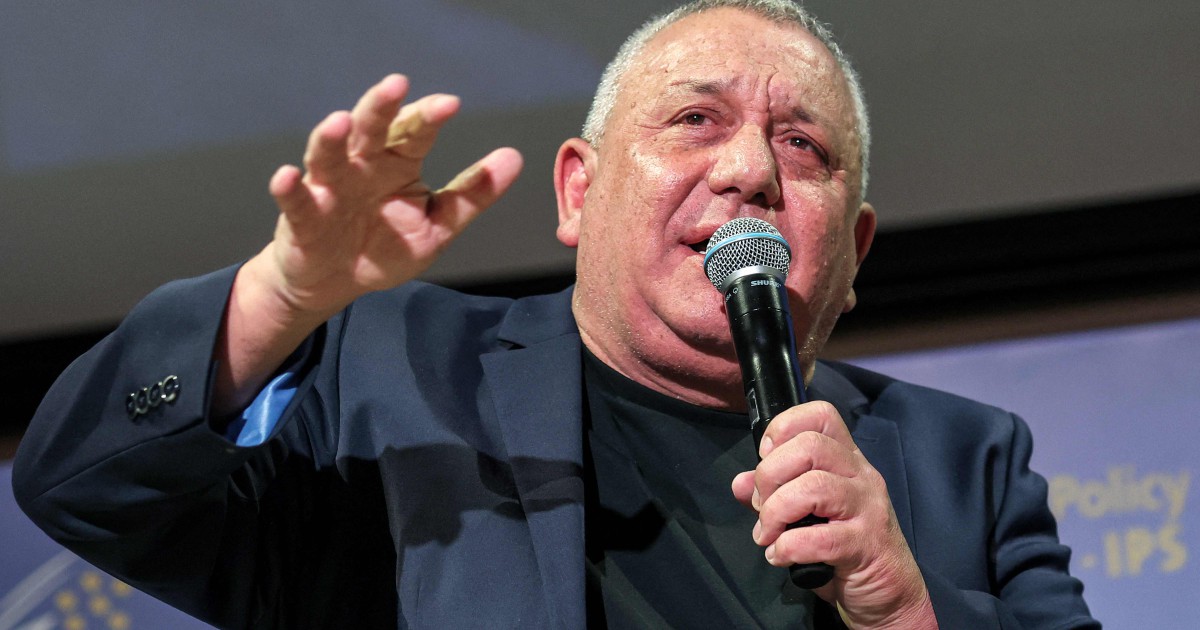
Israel's political landscape is intensifying as the nation prepares for a consequential general election scheduled for October 27, with former military chief Gadi Eisenkot emerging as the most significant challenger to Prime Minister Benjamin Netanyahu's continued hold on power. The contest represents a pivotal moment for the country, pitting an incumbent leader of over a decade against a rival whose military credentials and governance experience position him as a credible alternative to voters seeking change.
Eisenkot's trajectory from military to political leadership mirrors a familiar pattern in Israeli politics, where senior defence and security figures frequently transition into electoral contests. As the former chief of staff of the Israel Defence Forces, he brings substantial experience managing military operations, strategic defence policy, and national security concerns during a period of heightened regional tensions. His entry into the electoral arena signals a consolidation of centrist and opposition forces around a single candidate capable of challenging Netanyahu's political dominance.
The timing of this election cycle follows a period of significant internal political turbulence within Israel. Netanyahu's government has faced mounting pressure from multiple directions, including judicial reform controversies, settler policies in Palestinian territories, and economic management questions. The emergence of Eisenkot as the principal opposition candidate reflects broader dissatisfaction among certain voter segments with the current administration's direction and priorities.
Eisenkot's military background provides him with distinct advantages in appealing to Israeli voters prioritizing national security. Having commanded the armed forces during complex security challenges, he possesses technical knowledge of military strategy and defence capabilities that Netanyahu, while experienced in security matters, cannot directly replicate through military service in the same era. This generational and institutional distinction allows Eisenkot to present himself as bringing fresh perspectives to longstanding security dilemmas.
The consolidation around Eisenkot also reflects tactical calculations within opposition movements to avoid fragmenting the anti-Netanyahu vote. Previous Israeli elections witnessed opposition strength dissipated across multiple competing parties and candidates, a dynamic that ultimately benefited Netanyahu by allowing his bloc to maintain parliamentary plurality despite lower aggregate support. Unifying behind a single credible challenger represents an attempt to overcome this structural disadvantage.
For Malaysian and Southeast Asian observers, this election highlights continuing patterns of political polarization affecting established democracies globally. The contest between an entrenched incumbent and a security-focused challenger reflects broader democratic tensions present across numerous regions. Understanding these dynamics offers insights into how voters in diverse systems reassess leadership and governance priorities during periods of institutional stress.
Eisenkot's policy positions and electoral messaging will significantly shape the campaign's direction. While details of his comprehensive platform remain emerging publicly, opposition candidates typically emphasize themes of institutional restoration, government accountability, and renewed focus on economic issues alongside security concerns. The particular combination of security credibility with messaging on governance reform could appeal to voters frustrated with Netanyahu's administration across different demographic and ideological segments.
Netanyahu's response to this challenge will influence the election's intensity and tone. The incumbent Prime Minister maintains substantial support among certain constituencies and organizational advantages through his long tenure. However, facing a rival with military credentials and security legitimacy forces Netanyahu to defend his record and articulate compelling reasons for continued electoral support beyond his established political networks.
The broader Israeli political context involves competing visions for the country's future direction, security strategy, Palestinian affairs, and regional positioning. Eisenkot's emergence as the principal opposition candidate crystallizes these contrasts, offering voters a clear alternative framework for addressing national challenges. The election will effectively function as a referendum on Netanyahu's stewardship and vision against Eisenkot's proposed alternative approach.
Regional implications of this Israeli election extend throughout the Middle East and beyond. The outcome will influence Israeli policy toward Palestinian territories, approach to regional security challenges involving Iran and other actors, and diplomatic positioning internationally. Eisenkot's military background might suggest continuity on core security matters, though potentially with different tactical and strategic emphases than Netanyahu's current direction.
Sector-specific impacts deserve attention as well. Economic policy, technology sector governance, and business regulatory approaches could shift depending on the election outcome. Israeli voters facing inflation, housing costs, and wage concerns may view this election through economic lenses alongside security considerations, creating space for candidates addressing bread-and-butter issues alongside national defence priorities.
The October 27 election will test whether consolidated opposition sentiment can overcome Netanyahu's political machinery and electoral advantages. Eisenkot's positioning as both credible security voice and governance alternative represents a deliberate strategy to appeal across multiple voter groups simultaneously. The campaign period will reveal whether this approach successfully mobilizes sufficient electoral support to effect a leadership transition or whether Netanyahu's political resilience remains intact.

