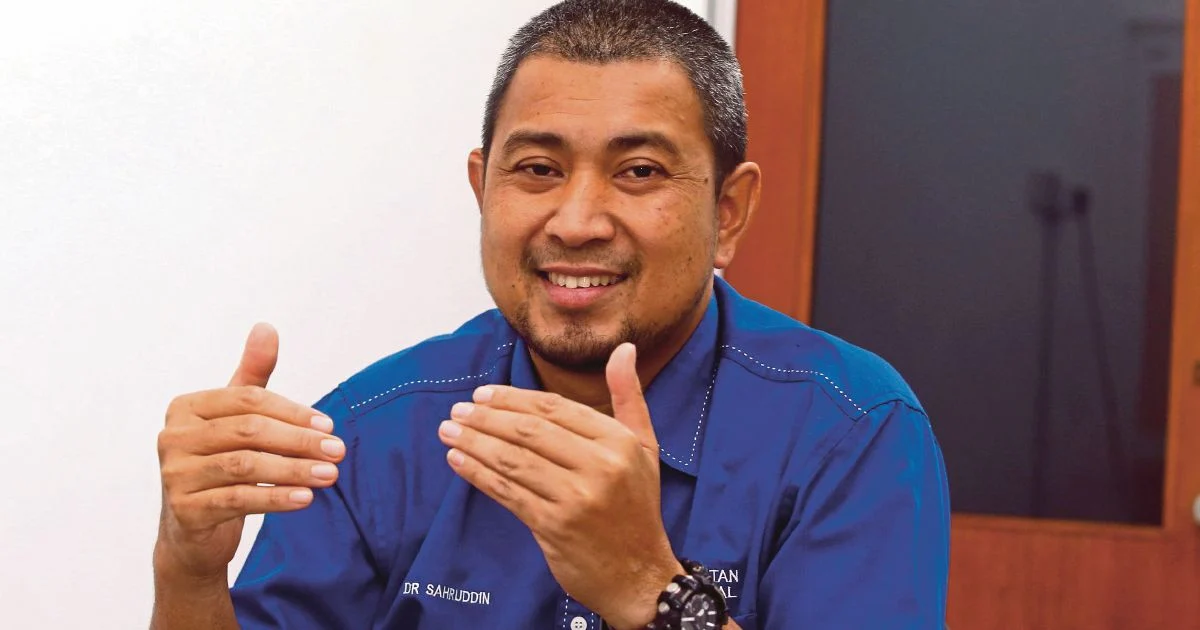
Datuk Dr Sahruddin Jamal, who previously served as Johor's menteri besar, has publicly committed to contesting the Bukit Kepong state constituency when voters head to the polls on July 11 for the 16th Johor state election. The announcement marks a significant moment in Johor's political landscape as one of the state's senior figures prepares to face the electorate once again.
The Bukit Kepong seat has long been a significant constituency within Johor's political framework, serving as a bellwether for broader trends affecting the southern state. Sahruddin's decision to defend his seat signals continuity in his political career despite no longer holding the chief minister's position, suggesting he retains confidence in his standing among local constituents and party leadership.
As a former menteri besar, Sahruddin brings considerable executive experience to his campaign. His tenure in the top state position would have given him exposure to major policy decisions affecting Johor's development, infrastructure, and economic growth. This background typically features prominently in electoral campaigns, allowing candidates to point to concrete achievements or initiatives they oversaw.
The July 11 election will be closely watched across Malaysia's political establishment, given Johor's status as the country's second-largest state by population and its economic importance as a gateway to Singapore and Southeast Asia. State elections in Johor traditionally generate significant national interest and can provide early indicators of shifting voter sentiment ahead of federal polls.
Sahruddin's participation in the election underscores the competitive nature of Malaysian politics at the state level, where even former chief ministers must actively campaign and defend their constituencies. This reflects the increasingly democratic character of electoral competition, where previous high office provides no automatic guarantee of victory or retention of one's seat.
The timing of the election during Malaysia's mid-year period reflects recent changes to the country's electoral calendar and local government management strategies. Campaign periods during this timeframe allow political parties to mobilize supporters and conduct grassroots outreach during what is traditionally a busier period in the Malaysian calendar.
For Johor as a whole, the state election represents an important opportunity for voters to assess the performance of their elected representatives and consider what direction they wish their state government to take. Issues likely to feature in campaigns include economic management, education provision, healthcare access, and infrastructure development — perennial concerns for voters across Malaysia's diverse constituencies.
The contest in Bukit Kepong will form one component of a larger competition to determine which coalition controls the Johor state assembly and appoints the next menteri besar. These broader dynamics often influence how individual constituency races unfold, with voters considering not only their local representatives but also their preferences for overall state government composition.
Sahruddin's re-election bid reflects broader patterns in Malaysian politics where senior figures maintain active parliamentary or state assembly involvement even after leaving executive positions. This continuity in representation allows voters to benefit from their representatives' accumulated experience, though it also means former leaders must justify their continued relevance to changed circumstances.
As preparations for the July 11 election intensify, political parties across the spectrum will be finalizing their candidate lists and campaign strategies. Seasoned contenders like Sahruddin, with their understanding of electoral mechanics and voter concerns, will be particularly valuable to their respective coalitions as they seek to maximize their representation in the new state assembly.
The election campaign period will see various stakeholders — political parties, civil society organizations, and media outlets — engaging voters on substantive issues while also examining the track records of experienced candidates returning to contest. For Sahruddin and others in similar positions, this scrutiny represents both a challenge and an opportunity to demonstrate their continuing value to the constituents they have previously served.