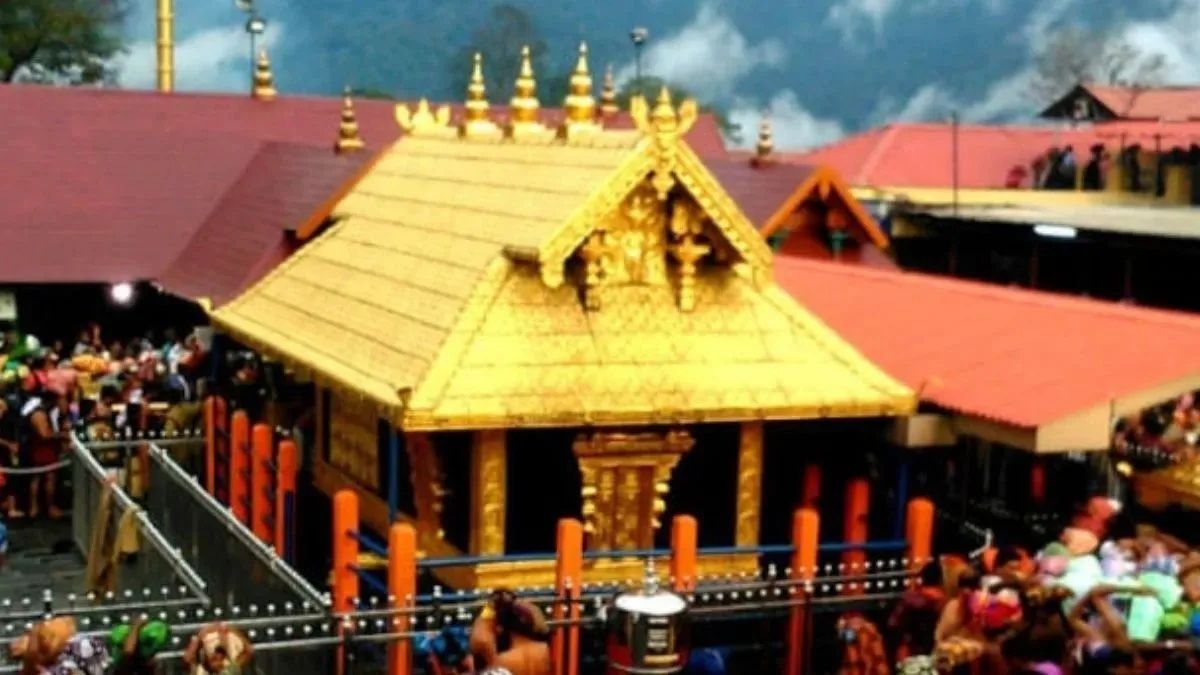
A special investigation unit probing the high-profile Sabarimala temple gold theft has formally identified the former head of the Travancore Devaswom Board (TDB) and several accomplices as key suspects in a case that has rocked Kerala's most sacred Hindu shrine. In documents filed before the Kerala High Court on 29 June, the Special Investigation Team detailed allegations implicating PS Prashanth, the former TDB president, alongside temple priest Kandaru Rajeevaru, businessman Unnikrishnan Potty, and five others in what investigators describe as a systematic scheme to pilfer precious metals and conceal evidence of their actions.
The investigation reveals a troubling pattern of alleged misconduct spanning multiple years within the institution responsible for managing one of India's most significant pilgrimage destinations. Beyond the late former executive officer Murari Babu, who has been designated the primary accused, the SIT has compiled evidence against Prashanth, the resident Thantri at Sabarimala, Unnikrishnan Potty as the scheme's sponsor, Pankaj Bhandari of the Chennai-based Smart Creations company, TDB member A Ajikumar, and Rajilal, who holds the position of Thiruvabharanam Commissioner. The breadth of the allegations suggests institutional complicity rather than isolated wrongdoing.
Central to the investigation's findings is evidence of a two-phase operation involving the temple's Dwarapalaka guardian deity idols, precious religious sculptures that represent both enormous spiritual and material value. Investigators allege that in 2019, these gold-laden idols were transported to Chennai purportedly for restoration work, but instead became the subject of systematic metal extraction. During this initial phase, the original thick gold cladding applied in 1998 was allegedly stripped away and substituted with a mere thin plating, while the substantive quantity of removed gold disappeared into private hands rather than being returned to temple coffers.
To shield this alleged theft from immediate detection, the conspirators reportedly generated a fraudulent warranty document claiming a 40-year guarantee on the replating work. This deceptive certification proved short-lived in its protective value; the substandard workmanship deteriorated within months, exposing the underlying copper and triggering questions about the idols' condition among temple officials and devotees. The rapid degradation contradicted assurances of quality restoration, creating the first cracks in what investigators believe was an elaborate concealment strategy.
What makes the allegations particularly serious is the claimed intention behind a second round of idol transport to Chennai in 2025. Rather than representing genuine restoration needs, the SIT contends this secondary transfer was orchestrated specifically to obscure evidence of the original 2019 theft. After Prashanth assumed the TDB presidency, Unnikrishnan Potty allegedly leveraged this new relationship to advocate for another replating initiative. The timing and circumstances suggest a deliberate effort to reprocess the idols and potentially destroy evidence of the earlier fraud before deeper scrutiny could occur.
The investigation also uncovered a scheme to deliberately misrepresent the nature and worth of these invaluable religious artefacts during their transportation. According to the SIT's findings, official transit permits and documentation falsely described the Dwarapalaka idols as mere "copper plates" of minimal significance, enabling the accused to bypass crucial judicial oversight procedures mandated for temple valuables. This documentation fraud allowed the movement of items of incalculable religious and monetary value without proper institutional or legal scrutiny, facilitating the alleged criminal operation.
For Malaysian readers familiar with Malaysia's own temple management systems and religious property protections, the Sabarimala case offers sobering lessons about institutional vulnerability and the risks when administrative gatekeepers compromise their trust. The Travancore Devaswom Board, established centuries ago to oversee major Kerala temples, has long been regarded as a relatively stable custodian of Hindu religious properties. The alleged involvement of its former president represents a profound breach of institutional integrity and raises uncomfortable questions about governance frameworks protecting sacred sites across South Asia.
The investigation's expansion beyond initial suspects demonstrates how temple property crimes often involve networks of collusion rather than singular acts of larceny. The inclusion of priests, board members, commissioned officials, and private businesspeople suggests compartmentalized knowledge where different actors played specific roles—transport logistics, administrative approval, technical execution, financial benefit—without necessarily complete awareness of the full scheme's scope. This networked approach to crime enabled the accused to distribute liability and complicate investigative threads.
Legally, the Kerala High Court's decision to permit registration of a fresh criminal case against Prashanth and others reflects judicial satisfaction that preliminary evidence substantiates the SIT's allegations sufficiently to warrant formal charges. The court's instruction that supplementary charge sheets may follow as investigations proceed suggests additional individuals could face accusations as the probe continues. This iterative charging approach is common in complex, multi-conspirator cases where evidence gathering extends across multiple stages.
The completion of the separate investigation into the Sreekovil sanctum sanctorum doorframes, with final charges already filed, indicates the broader temple theft inquiry encompasses multiple categories of sacred objects and locations. The Dwarapalaka idols investigation continues because the evidence trail remains more complex, involving international transport logistics, technical metallurgical analysis, and unravelling the precise roles of different co-conspirators. These complexities typically extend investigation timelines significantly.
For regional observers, the Sabarimala case underscores vulnerabilities within administrative structures governing major religious institutions across South Asia. If administrative and religious officials at even relatively well-resourced boards can allegedly conspire to misappropriate temple valuables, the implications extend beyond Kerala. Similar institutional risks likely exist wherever religious property management combines access to valuable artefacts with limited transparency, inadequate audit mechanisms, and insufficient separation of administrative authority. The alleged 2019-2025 conspiracy remained undetected for years despite involving multiple parties and international transport—a cautionary indicator of how such schemes can persist if institutional oversight remains weak.
The investigation's conclusion that this represented conspiracy rather than individual malfeasance carries profound implications for temple administration reform not only in Kerala but potentially across Indian states with significant Hindu religious institutions. Going forward, stricter protocols for sacred artefact movement, independent valuations, mandatory judicial approvals regardless of internal approvals, and significantly enhanced transparency in temple board operations will likely become standard recommendations. The Sabarimala case may ultimately catalyse broader governance reforms affecting how India's temples protect their patrimony against insider threats.

