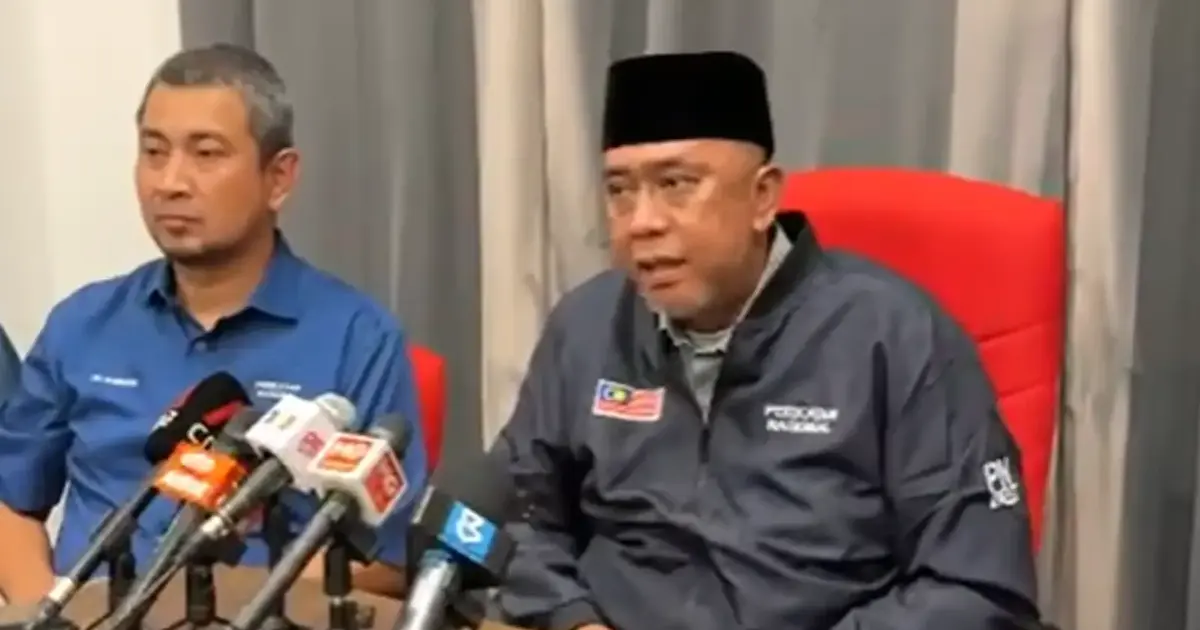
Abd Mutalip Abd Rahim, the former Member of Parliament representing Layang-Layang, has announced his departure from Umno, citing dissatisfaction over the party's decision to hand his constituency to the Malaysian Chinese Association for the next general election. The seasoned politician has now thrown his support behind Bersatu, signalling his intention to defend the seat under the Perikatan Nasional banner instead.
The move underscores the intricate dynamics of coalition politics in Malaysia, where seat allocation remains a contentious issue despite formal agreements between coalition partners. Umno's decision to cede the Layang-Layang seat to MCA—its long-standing ally within the Barisan Nasional framework—has triggered a visible fracture among the Malay-Muslim party's grassroots membership, particularly among those with deep-rooted constituencies and electoral track records.
Abd Mutalip's departure carries symbolic weight beyond the loss of a single incumbent. The Layang-Layang constituency, which has traditionally been an Umno stronghold, now faces the prospect of a three-way contest should he proceed with his candidacy under Bersatu's ticket. This arrangement would pit an Umno nominee against an MCA candidate and the defecting former MP, potentially fragmenting the support base in the federal territory seat and complicating Barisan Nasional's electoral calculus for the peninsula.
Bersatu, the Mahathir-led faction that split from Umno in 2020 and has since carved out a political space within Perikatan Nasional, has been actively courting dissidents from both the Umno and PKR camps. The party's expansion strategy hinges on absorbing disaffected personalities and leveraging their ground networks, particularly in constituencies where traditional power brokers feel sidelined by coalition arrangements. Abd Mutalip's recruitment represents a tangible gain in this regard, bringing not only name recognition but also established machinery.
The seat allocation dispute reflects broader tensions within Malaysia's ruling coalitions. While Umno maintains numerical dominance within Barisan Nasional, the necessity of preserving coalition harmony often requires concessions that alienate party veterans. MCA's allocation of seats—whether through formal negotiation or implicit understanding—is calculated to maintain the Chinese-majority party's parliamentary representation and relevance, a consideration particularly acute following electoral setbacks in recent years.
From a regional perspective, Malaysia's coalition politics continue to evolve unpredictably. The phenomenon of sitting MPs jumping ship to alternative coalition partners has become sufficiently commonplace that it no longer triggers widespread shock, yet each instance reinforces underlying vulnerabilities in political party loyalty and institutional coherence. Layang-Layang's case adds to a growing roster of constituencies where pre-election maneuvering has created conditions for competitive, potentially three-cornered contests that could reshape electoral outcomes.
Abd Mutalip's transition to Bersatu also highlights the pragmatic nature of Malaysian political alignment. Rather than retire or remain loyal to Umno despite perceived mistreatment, the former MP has opted for the path that preserves his political viability and maintains his connection to power structures. Bersatu's association with Perikatan Nasional, which has demonstrated capacity to command parliamentary support and ministerial positions, provides a credible platform for continued relevance.
The implications for Malaysian politics extend further than immediate seat calculations. If Abd Mutalip successfully contests Layang-Layang under the Bersatu banner, it would signal that incumbency and constituency networks can transcend party boundaries when political actors perceive themselves disadvantaged by allocation decisions. This dynamic could encourage similar moves elsewhere, particularly in constituencies where sitting MPs feel undervalued by their parties or face uncertain renomination prospects.
Umno's handling of the Layang-Layang situation will likely face scrutiny from party members across multiple constituencies undergoing seat allocation discussions. The party's capacity to retain MPs whilst respecting coalition agreements remains a delicate balancing act, and visible defections to rival coalition partners carry long-term consequences for party discipline and morale. The loss of Abd Mutalip to Bersatu represents not merely a tactical setback but a demonstration of Umno's limited ability to compel loyalty through seat assignments.
MCA, having secured the Layang-Layang nomination, now faces the complication of contesting against both Umno and Bersatu nominees in the same seat—a scenario that might weaken all three Chinese-and-Malay-based parties' collective vote-gathering capacity, potentially benefiting opposition parties if they manage effective coordination. The configuration illustrates how seat allocation intended to strengthen coalitions can paradoxically weaken them through internal fragmentation.
Looking ahead, the political trajectory in Layang-Layang and similar constituencies will depend on voter sentiment regarding both the specific candidates and the broader coalition politics they represent. Abd Mutalip's defection demonstrates that Malaysian politics remains dynamic and personalistic, with established patterns of party loyalty subject to rapid disruption when individual politicians calculate their interests differently than party hierarchies prefer.

