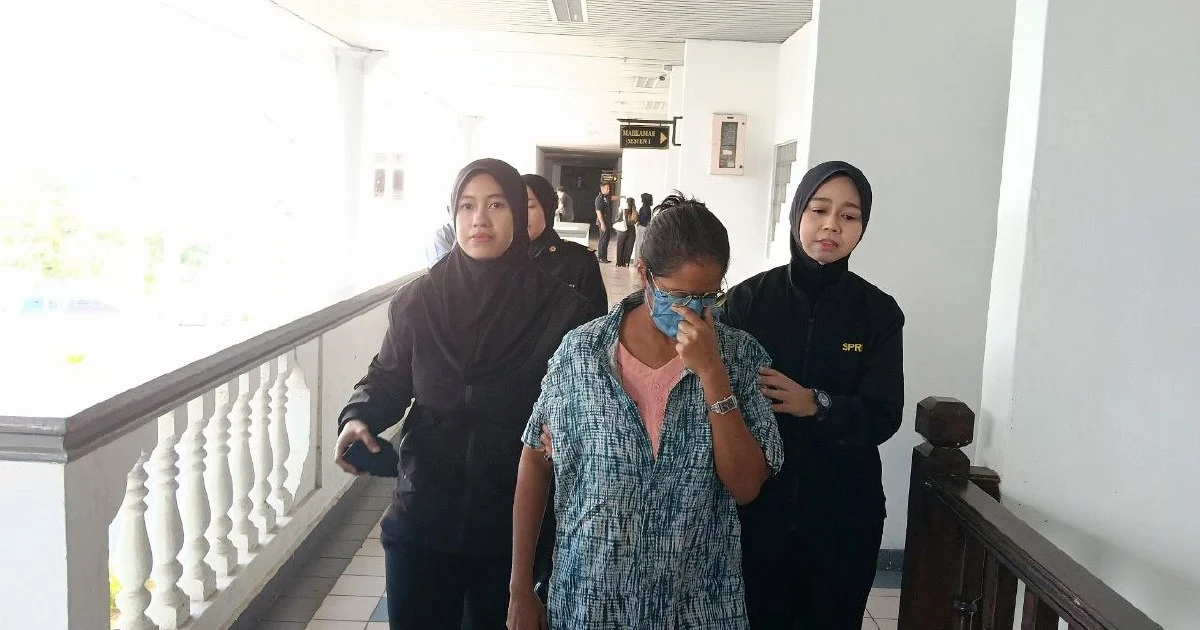
A former high-ranking civil servant in Melaka has been brought before the courts to answer serious allegations of financial impropriety and deception involving state government resources. The accused official made his first appearance at the Ayer Keroh Sessions Court facing multiple charges relating to the alleged misappropriation and fraudulent conduct that has drawn scrutiny from authorities investigating the misuse of public monies at the state level.
The charges, totalling seven counts, centre on allegations that the former officer fraudulently obtained money exceeding RM60,000 through deceptive means. The case represents a significant breach of trust within Melaka's administrative apparatus, where senior officials are entrusted with managing state resources and maintaining financial integrity. The scale of the alleged irregularities suggests potential systemic vulnerabilities in the mechanisms designed to oversee public expenditure at the state government level.
Among the most serious aspects of the allegations is the accusation that the former official engaged in cheating directed specifically at members of the Melaka State Executive Council. This dimension of the charges is particularly consequential, as it points to a deliberate attempt to deceive those at the highest echelon of state governance who bear responsibility for policy decisions and resource allocation. The involvement of executive council members suggests the alleged misconduct may have extended beyond routine administrative functions into matters of significant public importance.
The nature of such cases, while not unprecedented across Malaysian public institutions, underscores persistent challenges in maintaining accountability within state-level bureaucracies. Melaka, like other Malaysian states, has grappled with questions surrounding financial transparency and the proper stewardship of public funds. This case serves as a stark reminder that vigilance remains essential, particularly when examining how resources designated for public welfare are utilised by those with administrative authority.
The court proceedings in Ayer Keroh mark the formal commencement of the legal process, which will determine the veracity of the accusations through examination of evidence and testimony. The judicial system must now scrutinise the particulars of how the funds were allegedly misappropriated and through what mechanisms the alleged deception of state leaders was perpetrated. These details will be crucial in establishing whether the evidence meets the threshold required for conviction on the charges presented.
Financial misconduct within state government structures has broader implications for public confidence in administrative institutions. When senior civil servants—individuals positioned at pivotal points within the bureaucratic hierarchy—are accused of embezzlement or fraud, the ramifications extend beyond the immediate financial loss. Public trust in the integrity of government institutions may be affected, potentially undermining confidence in state-level decision-making and resource management across various portfolios.
The case also highlights the importance of robust internal audit mechanisms and oversight procedures within state administrations. Detecting irregularities of this magnitude requires adequate monitoring systems capable of identifying unusual transactions and verifying that expenditures align with authorised purposes. The existence of such checks becomes particularly vital given the fiduciary responsibilities vested in senior officials who control access to state resources.
For Malaysian readers and taxpayers, especially those in Melaka, this case represents a tangible instance of potential wastage of public funds that might otherwise be directed towards legitimate developmental or welfare initiatives. The RM60,000 in question could have funded various community projects or essential services, making the alleged misappropriation not merely an administrative transgression but a matter affecting resource allocation priorities.
The proceedings at Ayer Keroh Sessions Court will unfold over coming months, with the court required to examine the prosecution's evidence against the defendant's defence. The outcome will carry implications for standards of accountability expected of senior civil servants throughout Malaysian state administrations. Should conviction result, it would send a forceful message that financial impropriety and deception of state leadership will incur serious legal consequences.
This development also reflects the ongoing efforts by Malaysian law enforcement and judicial institutions to address white-collar crime within the public sector. The investigation and subsequent prosecution suggest that mechanisms for detecting and pursuing such cases remain operational, though observers of public governance continue to debate whether enforcement is sufficiently rigorous and consistent across all levels of government.
The Melaka authorities' decision to pursue these charges demonstrates a willingness to act on allegations of misconduct, yet the case simultaneously raises broader questions about how comprehensively financial controls operate within state structures and whether preventative measures could have forestalled such allegations from arising in the first instance. Strengthening administrative oversight and fostering a culture of transparency remain ongoing imperatives for state governments across Malaysia seeking to maintain public confidence in their stewardship of resources.