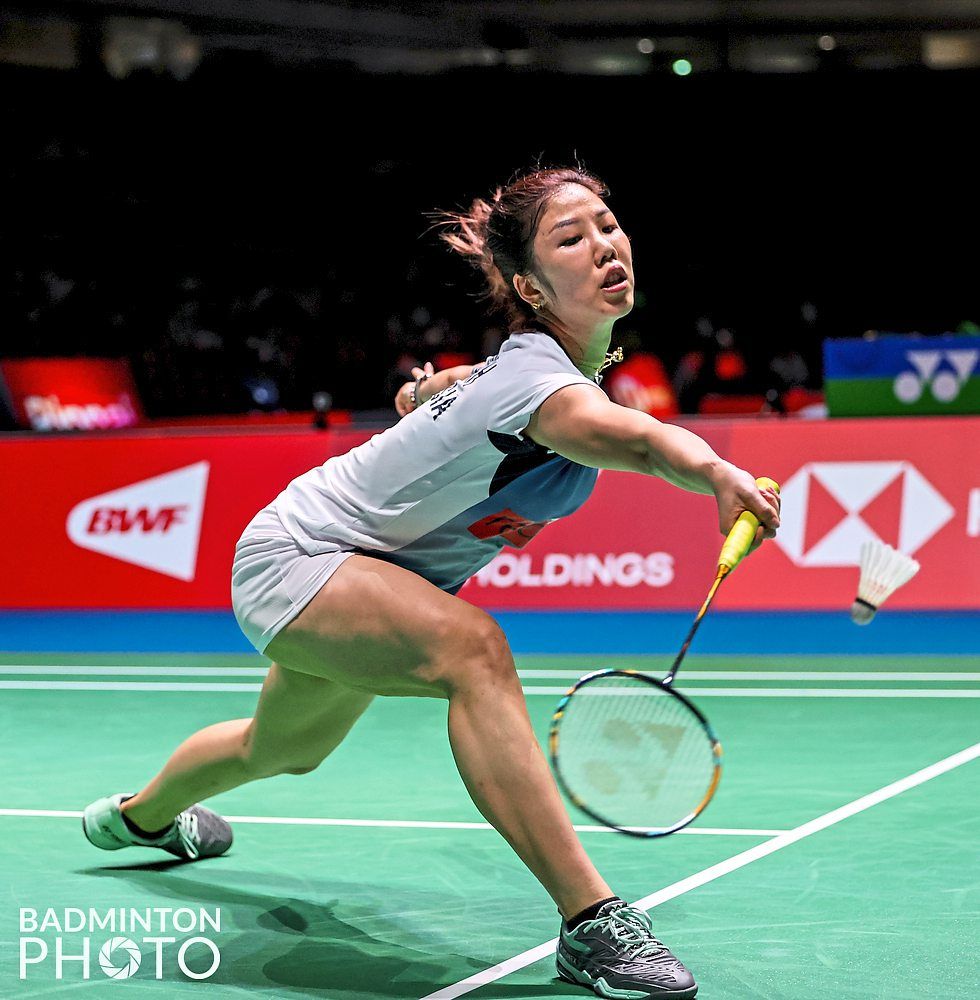
Soniia Cheah, the accomplished former national women's singles shuttler, has stepped away from her role as sports director of the Kuala Lumpur Badminton Association, concluding her brief stint with the organisation effective immediately. The resignation comes as a surprise given that the 33-year-old had only recently assumed the position in February on a one-year contract, making her departure after just four months a notable development in Malaysian badminton administration.
While declining to provide extensive detail about her exit, Soniia acknowledged that the decision to leave was not made lightly. She has chosen instead to frame her resignation in terms of personal principle and her unwillingness to compromise her values, suggesting that the matters at stake within the organisation extended beyond ordinary workplace disagreements. Her reluctance to name specific issues or individuals indicates a desire to handle the situation with professionalism while still making her stance unmistakably clear to observers.
In a statement, Soniia articulated her position carefully, explaining that her departure stems from a divergence between the association's direction and her own ethical standards as a former national representative. She described the process of reaching her decision as one involving considerable reflection, and made explicit that her choice was not motivated by conflict with any particular person. Rather, she positioned her departure as a principled stand on matters that she believes warrant institutional attention and review.
The implications of Soniia's exit for the KLBA are significant. As someone with direct experience competing at the highest levels of international badminton, her perspective on athlete development and organisational standards carries weight in the Malaysian badminton community. Her decision to leave suggests that whatever concerns she identified were serious enough to override the professional opportunity and presumably the financial commitment of a full year's contract. This willingness to sacrifice a lucrative position underscores the gravity of her concerns from her perspective.
Despite her brief tenure, Soniia made a point of expressing gratitude to the young players she worked with during her time at the Kuala Lumpur association. Her final project involved overseeing the Kuala Lumpur contingent at the Affin 100Plus Junior Elite Tour Finals, held at Stadium Juara in Bukit Kiara just days before her resignation announcement. This commitment to completing her final assignment speaks to her professional conduct even as she prepared to leave the organisation, suggesting that her departure was not precipitated by any dramatic incident but rather by accumulated concerns.
Soniia's background brings particular resonance to her current situation. She was once Malaysia's premier women's singles player, achieving the nation's top ranking in her discipline. Her résumé includes representation at the Tokyo Olympics, representing the country on its largest sporting stage. Such credentials typically translate into strong institutional credibility, making her willingness to walk away from a leadership role all the more telling about her convictions.
The timing of her appointment and equally rapid departure raises questions about the screening process for such positions within Malaysian sports bodies. Leadership roles in sporting associations require not merely technical knowledge but alignment between the appointee's values and the organisation's direction. That a figure of Soniia's stature identified fundamental misalignment so quickly after joining suggests possible gaps in pre-employment discussions or a shift in organisational priorities between her recruitment and her start date.
For Malaysian badminton stakeholders, Soniia's exit may prompt broader reflection on the health and direction of grassroots badminton development in the capital. The Kuala Lumpur Badminton Association plays a crucial role in identifying and nurturing young talent destined for national representation. When senior leaders with international experience choose to exit, it warrants examination of whether structural or cultural issues exist that might also affect player development and programme quality.
Soniia's departure from competitive badminton in 2022 followed years of struggle with an Achilles tendon injury that ultimately proved incompatible with elite athletic demands. Her transition into a sports director role represented a logical next chapter, channelling her expertise and passion for the sport into administrative and developmental work. The swift conclusion of this administrative chapter means she must now determine her next direction within or outside badminton.
The broader context for Malaysian badminton includes ongoing challenges in maintaining competitive standards, particularly in women's singles where the country once dominated regionally. Youth development programmes depend heavily on experienced leadership and mentorship. The departure of someone with Soniia's profile and commitment to principle-driven administration removes valuable institutional knowledge at a grassroots level.
Soniia has called for the KLBA to use her resignation as an opportunity for institutional self-examination and reform. Her hope that the association will address the underlying concerns she identified suggests she remains invested in the sport's wellbeing despite her personal exit. This appeal for systemic reflection rather than individual vindication demonstrates maturity in how she has handled her departure and positions her resignation as a potential catalyst for improvement rather than merely a personal grievance.

