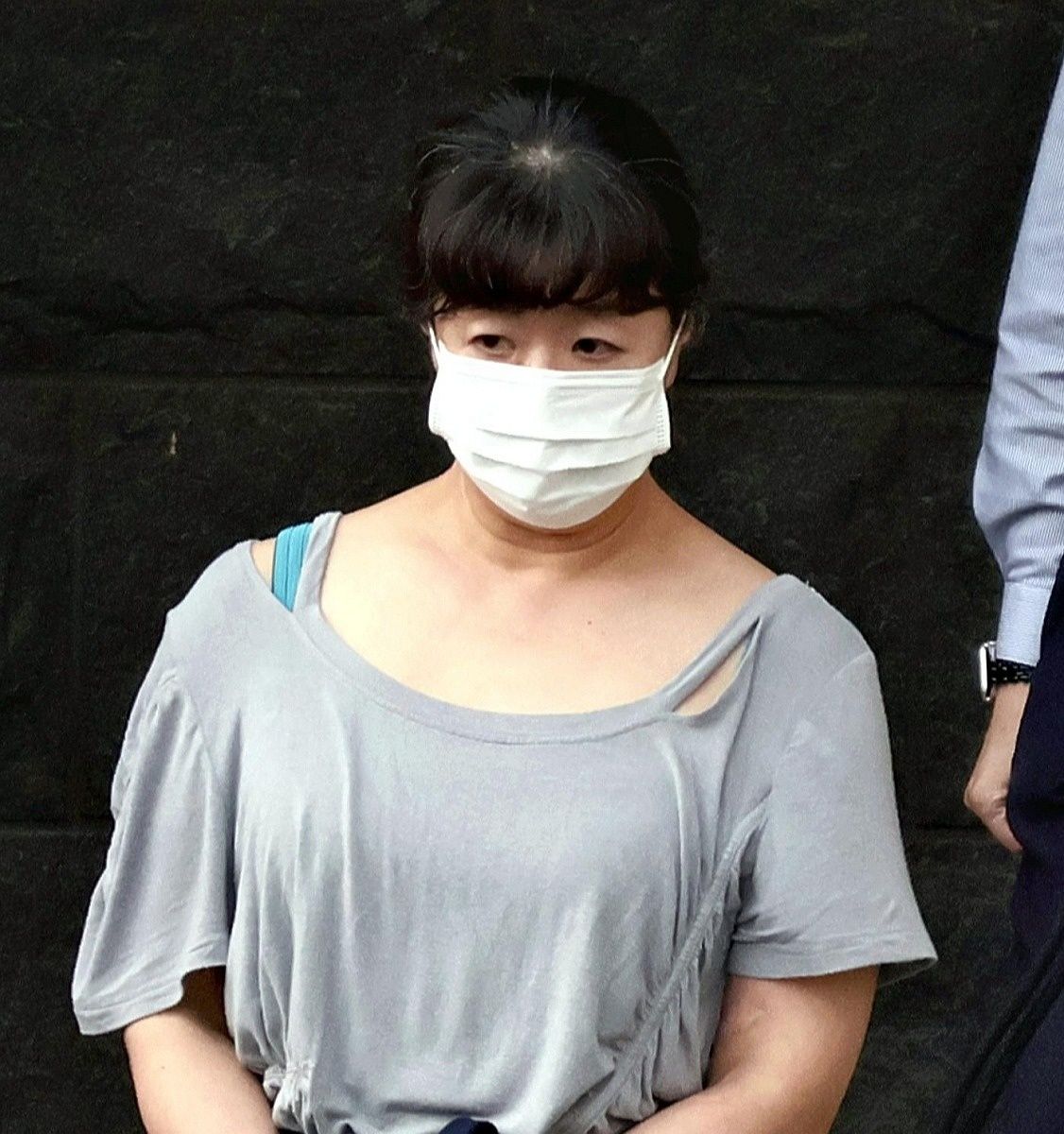
A 51-year-old former nurse in Chiba Prefecture, Japan, was taken into custody on Wednesday, July 15, following an investigation into the death of a 75-year-old patient at Kashiwa Tanaka Hospital. Miyuki Furukawa, who worked as head nurse during the night shift, is suspected of deliberately introducing faecal matter into the intravenous tube of Eiji Aida on January 30, an act authorities believe triggered the cascade of events that led to his fatal infection.
The alleged incident occurred at approximately 3.55am on the morning of January 30, when Aida was receiving treatment through an IV drip at the medical facility. Hospital security recordings provided crucial evidence, documenting Furukawa's movements in and out of the patient's room during the critical timeframe. Within hours, Aida's condition deteriorated sharply, and he was pronounced dead just over 19 hours later at around 10.30pm on January 31. Medical examinations confirmed that the cause of death was multiple organ failure precipitated by sepsis—a life-threatening condition triggered by bacterial infection.
The investigation revealed that Aida's bloodstream contained bacteria consistent with those found in human faeces, providing pathological evidence that aligned with investigators' suspicions about the contamination method. This biological evidence became central to building the case against Furukawa, as it corroborated the theory that a faecal substance had been introduced into the patient's IV system, overwhelming his immune system and leading to catastrophic organ failure.
Discovery of the contamination did not occur immediately. It was another hospital employee who first noticed something amiss when examining the extension tube attached to Aida's IV line. The tube displayed discoloration—having turned brown—which prompted the staff member to alert Kashiwa Police on February 1, raising concerns that "a foreign substance was inserted." This observation, made a full day after the patient's death, initiated the formal police investigation into what would eventually be classified as a potential homicide case.
During questioning, Furukawa has denied the allegations, telling authorities: "I deny inserting faeces into the tube." However, investigators uncovered digital evidence that contradicted her statement. A search of her smartphone revealed that she had used her device to search for the specific phrase "faeces injection — Will [he] die?" The timing and nature of this online search proved significant to prosecutors, suggesting premeditation or at least serious contemplation of the act alleged against her.
According to sources close to the investigation, there had been interpersonal conflict between Furukawa and Aida prior to the incident. This background of discord provided investigators with a potential motive, though authorities have stated they continue examining the circumstances surrounding why she may have committed such an act. The presence of both opportunity—given her position as head nurse with access to patients and medical equipment—and apparent motive strengthened the investigative case.
Furukawa's employment history added another layer to the case. She had resigned from Kashiwa Tanaka Hospital at the end of February, roughly a month after Aida's death and shortly after the initial police notification. At the time of her arrest in July, she was employed as a midwife at a separate hospital facility in Tokyo, suggesting she had successfully transitioned to another healthcare role despite the mounting investigation into her conduct.
Chiba Prefectural Police continue their investigation into both Furukawa's underlying motivation and the precise sequence of events that led to the contamination. Their focus extends beyond establishing what happened to understanding why a healthcare professional would allegedly commit such a serious breach of the duty of care that underpins medical practice. The psychological profile and motive remain subjects of ongoing inquiry.
Aoikai Medical Corporation, the organisation that operates Kashiwa Tanaka Hospital, issued a statement expressing profound dismay at the allegations. "This is an absolutely unforgivable act for someone working at a medical institution and as a human being," the statement read, acknowledging both the breach of professional ethics and the fundamental violation of human dignity represented by the alleged conduct. The hospital pledged complete cooperation with authorities and committed to assisting in the full revelation of facts in the case.
For Malaysia and the broader Southeast Asian region, this case underscores critical vulnerabilities in hospital security and patient monitoring systems. Healthcare facilities across the region must examine their protocols for detecting tampering with medical equipment, staff conduct monitoring, and the psychological screening of healthcare workers. The incident raises uncomfortable questions about how thoroughly hospitals vet and supervise personnel with access to vulnerable patients, particularly during overnight shifts when supervision may be less intensive.
The case also highlights the importance of maintaining robust investigative frameworks when patient deaths occur under unusual circumstances. While sepsis remains a serious concern in hospital settings throughout Southeast Asia, the deliberate introduction of contaminating agents represents a distinct category of healthcare-associated harm that requires specific investigative expertise and protocols that may not yet be standardised across all regional medical facilities.

