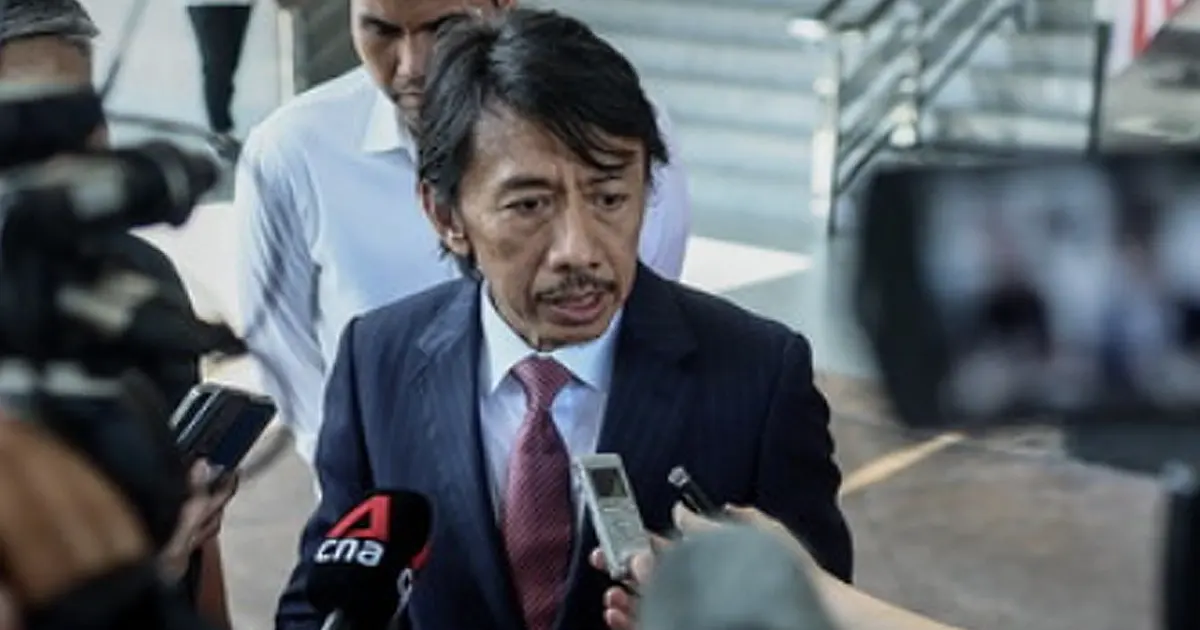
Former Prime Minister Ismail Sabri Yaakob has received a pacemaker implant to manage an abnormal heart rhythm, according to reports from the National Heart Institute where the procedure was conducted this afternoon. The surgical intervention represents a significant health development for the senior politician, who previously served as Malaysia's eighth Prime Minister from August 2021 to November 2022.
The implantation of a pacemaker is a common treatment for individuals experiencing arrhythmias—irregular patterns in heartbeat that can range from minor to life-threatening depending on severity. This medical device works by delivering electrical pulses to regulate the heart's rhythm when its natural conduction system malfunctions or becomes unreliable. The decision to proceed with such intervention typically follows extensive diagnostic testing and medical evaluation to determine whether the patient would benefit from device therapy.
The National Heart Institute, Malaysia's leading cardiac care facility located in Kuala Lumpur, conducted the operation using contemporary surgical techniques and monitoring standards. As a tertiary cardiac centre of excellence, the institute regularly manages complex cases involving rhythm disturbances and represents the apex of heart care services available domestically. The choice of facility underscores the seriousness with which the condition was being addressed through Malaysia's premier medical infrastructure.
Following any pacemaker implantation, medical professionals invariably recommend a structured recovery period to allow the surgical site to heal and to permit the device to stabilise within the body. Ismail Sabri has been advised to rest during this critical window, a standard precaution that typically encompasses restrictions on strenuous activity, heavy lifting, and potentially some limitations on upper body movement depending on which side received the implant. This recovery phase generally spans several weeks, though most patients resume normal daily activities within that timeframe under medical guidance.
The health status of prominent political figures carries broader implications for Malaysia's institutional stability and governance continuity. While Ismail Sabri no longer holds executive office, he remains an influential figure within United Malays National Organisation (UMNO) and continues to participate actively in parliamentary proceedings and party politics. His medical condition and recovery trajectory may influence his level of engagement in ongoing political activities and party functions.
Arrhythmia management has evolved substantially over recent decades, with pacemakers now offering sophisticated monitoring capabilities and extended battery lives. Modern devices can be remotely interrogated by healthcare providers, allowing for continuous oversight without requiring frequent in-person clinic visits. This technological advancement ensures that Ismail Sabri can maintain relatively normal engagement with his responsibilities while remaining under appropriate medical supervision through remote monitoring protocols.
The public disclosure of his medical procedure reflects a tradition of transparency regarding the health status of senior political figures in Malaysia. Such openness allows constituents and the broader public to understand any potential impacts on politicians' capacity to execute their duties, whether in parliament or within party structures. This transparency builds institutional confidence and demonstrates that even prominent leaders are subject to the same medical realities as ordinary citizens.
From a public health perspective, Ismail Sabri's case highlights the prevalence of cardiac arrhythmias in Malaysia's ageing population demographics. Heart rhythm disorders affect substantial segments of the adult population and increase significantly with age, making pacemaker implantations an increasingly routine intervention across Malaysian hospitals. The former Prime Minister's experience may also raise broader awareness about cardiac health screening and the importance of early detection and management of rhythm disturbances.
The timing of such medical procedures can occasionally affect political schedules and commitments. Members of Parliament and party officeholders occasionally require temporary adjustments to their schedules to accommodate medical treatment and recovery. However, pacemaker recipients typically return to full political participation within weeks, suggesting that any disruption to Ismail Sabri's involvement in parliamentary or party matters should be temporary in nature.
The broader healthcare context in Malaysia has continued developing its cardiac services infrastructure over recent years, with enhanced capacity at major teaching hospitals and increased availability of advanced interventional procedures. The successful management of high-profile cases at institutions like the National Heart Institute demonstrates the capability of Malaysia's medical system to deliver world-class cardiology care, a factor increasingly important for medical tourism and international confidence in domestic healthcare provision.
Looking forward, Ismail Sabri's recovery will be monitored closely by his medical team at the National Heart Institute. The prognosis for individuals receiving appropriate pacemaker therapy is generally favourable, with quality of life typically improving once the device successfully regulates cardiac rhythm. His return to full political and public engagement will likely proceed as his recovery progresses satisfactorily over the coming weeks.

