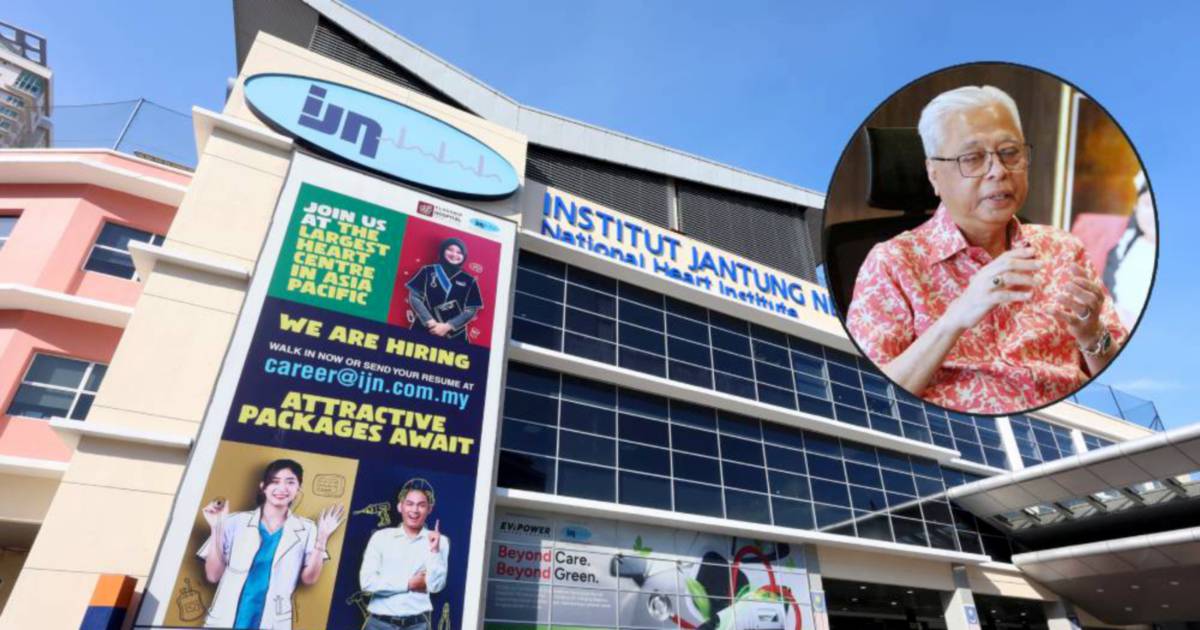
Former Prime Minister Datuk Seri Ismail Sabri Yaakob has completed a successful leadless pacemaker implantation procedure at the National Heart Institute (IJN) here, after being admitted for treatment of an abnormal heart rhythm. The senior statesman's medical intervention marks another significant health development among Malaysia's prominent political figures, underscoring the prevalence of cardiac conditions affecting even those in the upper echelons of national leadership.
The procedure, classified as a minimally invasive cardiac intervention, involved implanting a small device designed to regulate irregular heartbeats. Unlike conventional pacemakers that require surgical leads tunnelled through veins to the heart, leadless pacemakers are self-contained units positioned directly within the heart chamber, representing an advancement in cardiac care technology that reduces surgical complications and recovery time. This approach has gained prominence in modern cardiology as it eliminates the risks associated with traditional lead-based systems, including potential infections and mechanical failures common to external wiring.
Abnormal heart rhythms, medically termed arrhythmias, represent a diverse spectrum of conditions ranging from benign irregular beats to life-threatening electrical disturbances. When detected and treated appropriately, many arrhythmias can be managed successfully through medical therapy or device implantation. The decision to proceed with pacemaker insertion suggests that Ismail Sabri's condition warranted intervention beyond pharmaceutical management, indicating the severity of his particular rhythm disturbance warranted this definitive approach.
The National Heart Institute, Malaysia's premier cardiac care facility, has established itself as a leading centre for complex cardiovascular procedures including advanced pacemaker technologies. The institution's expertise in managing high-profile patients and deploying cutting-edge interventional techniques reflects the quality of cardiac care available within Malaysia's healthcare system. This successful procedure reinforces the nation's capacity to deliver world-standard medical treatment domestically, reducing the necessity for political and business leaders to seek overseas medical consultation for serious cardiac conditions.
Following the successful implantation, medical advisors have recommended that the former premier observe a period of rest and recovery to allow his body to adjust to the newly inserted device and optimise its function. Recovery from pacemaker implantation typically spans several weeks, during which patients are advised to restrict strenuous physical activity and avoid activities that could compromise the healing process at the implantation site. This guidance reflects standard post-procedure protocols designed to ensure successful device integration and prevent complications such as lead displacement or infection.
The health episode involving Ismail Sabri arrives during a particularly active period in Malaysian politics, with the former premier remaining a significant voice within the Barisan Nasional coalition. His temporary medical absence raises questions about the continuity of various political responsibilities and committee assignments he may hold within party structures. Such developments inevitably prompt broader discussions about succession planning and the sustainability of institutional knowledge within political organisations when senior figures face unexpected health challenges.
From a public health perspective, Ismail Sabri's experience serves as an important reminder of the prevalence of cardiac arrhythmias across all demographic segments and the availability of effective treatment options. Abnormal heart rhythms frequently develop silently, detected only through routine medical screening or when symptoms such as palpitations or syncope force individuals to seek clinical evaluation. The former prime minister's case illustrates how proactive health monitoring among individuals in high-stress positions can identify conditions early, enabling timely intervention before serious complications develop.
The procedure also highlights the broader landscape of cardiovascular care across Southeast Asia, where leadless pacemaker technology represents the cutting edge of therapeutic options. As regional healthcare systems continue advancing their technical capabilities and training their cardiac specialists, Malaysia maintains its position as a centre of excellence for complex cardiac interventions. The successful treatment of prominent figures within the region attracts international attention and reinforces confidence in Malaysia's medical institutions among not only domestic patients but also medical tourists from neighbouring countries.
Ismail Sabri's medical situation underscores the vulnerability of even the most powerful figures to the unpredictability of health conditions. Despite wielding substantial political influence and having access to the finest medical resources, cardiac diseases respect no social hierarchy and can affect anyone regardless of status or wealth. The transparency surrounding his treatment and recovery reflects contemporary norms of public disclosure regarding the health of national leaders, contrasting markedly with historical practices where such information was often concealed or minimised.
Looking forward, the former premier's recovery trajectory will be closely monitored both by his medical team and the political community, given his continued influence within Malaysian politics. The success of this intervention should enable him to resume his normal activities and political engagement following an appropriate recuperation period. His experience with modern pacemaker technology may also raise public awareness about heart rhythm disorders and the effectiveness of contemporary treatment modalities available to Malaysian patients through the nation's cardiac care infrastructure.

