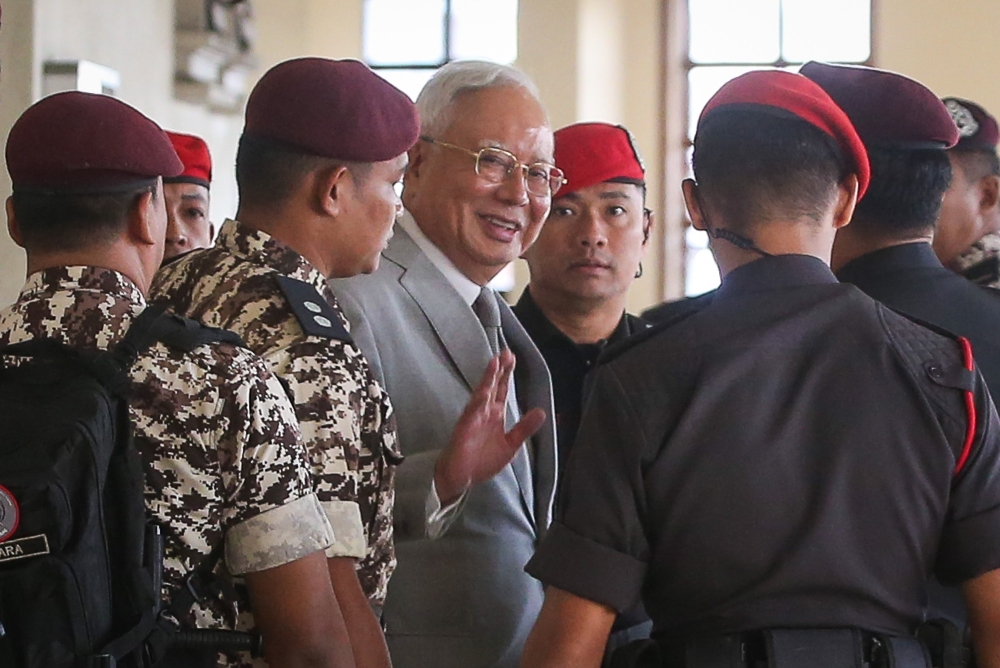
Former Prime Minister Datuk Seri Najib Razak is preparing for a scheduled heart procedure at Serdang Hospital in the coming week, marking a significant health development for the prominent political figure who has remained in the public eye despite facing multiple legal challenges. The procedure represents a notable moment for one of Malaysia's most consequential political leaders, whose tenure as prime minister from 2009 to 2018 fundamentally shaped the nation's trajectory across economic, social and international dimensions.
The timing of this medical intervention occurs as Najib continues to manage substantial judicial proceedings that have dominated Malaysian headlines since his administration's conclusion. His health situation underscores broader questions about leadership continuity and the physical demands placed upon public figures navigating complex legal frameworks while maintaining political relevance. The Serdang Hospital facility, a major government medical centre serving the Klang Valley region, represents a trusted institution for high-profile medical cases requiring specialised cardiac care.
Najib's health circumstances carry particular significance given his ongoing engagement with Malaysian politics and his Pekan constituency representation. Despite his various legal entanglements, the former premier has maintained a visible public presence through social media and political commentary, positioning himself as a voice within the United Malays National Organisation and broader Malay-Muslim political discourse. This medical necessity may alter his capacity for such activities during the recovery period, potentially affecting political dynamics at both party and national levels.
The cardiac procedure's announcement reflects Malaysia's commitment to providing comprehensive medical services regardless of an individual's political status or legal circumstances. Serdang Hospital's reputation for handling complex cases ensures that Najib receives appropriate clinical attention, demonstrating that the nation's healthcare infrastructure remains accessible to all citizens. Such transparency in announcing significant medical events also maintains public confidence in institutional processes and the rule of law.
For Malaysian observers following Najib's evolving circumstances, this development intersects with his broader life trajectory since leaving office. His efforts to reshape his political narrative, combined with his substantial legal obligations, have positioned him as a figure attempting to navigate rehabilitation within Malaysia's polarised political landscape. Health challenges inevitably complicate such undertakings, requiring adjustment of schedules and strategic priorities.
The procedure also carries implications for his legal team and various proceedings. Disruptions to his availability may necessitate scheduling adjustments across multiple cases, potentially affecting case timelines. Malaysian courts have previously accommodated medical requirements for prominent defendants, suggesting that this intervention will be accommodated within existing judicial frameworks, though it may introduce procedural complications.
Within the broader context of Malaysian politics, Najib's continued prominence despite his circumstances illustrates the country's complex relationship with political accountability and redemption. Unlike some democratic systems where fallen leaders fade from public consciousness, Malaysian political culture has demonstrated capacity for rehabilitation narratives, particularly among figures commanding substantial grassroots support. His maintained constituency representation and party involvement reflect this dynamic, even as legal processes continue their course.
The UMNO party structure and its relationship with Najib remains delicately balanced. While some party elements maintain strong personal and political ties to the former premier, others view distance as strategically prudent. His medical circumstances may prompt renewed reflection within UMNO leadership regarding succession planning and the party's future direction independent of figures whose legal situations remain unresolved. This procedural reality shapes internal party dynamics in ways that extend beyond formal organisational structures.
For Southeast Asian observers monitoring Malaysian political developments, Najib's situation exemplifies broader regional patterns regarding former leaders facing accountability mechanisms. Thailand, Philippines, and Singapore have experienced comparable circumstances where prominent former officials navigate legal frameworks while attempting political relevance. Malaysia's handling of such cases contributes to regional perceptions regarding democratic institutions and rule of law implementation.
The Serdang Hospital procedure will require substantial recovery time, potentially limiting Najib's activities for several weeks. Such physical constraints may force strategic recalibrations regarding his media engagement, public appearances, and legal participation. His legal team will need to coordinate medical documentation with judicial authorities to ensure appropriate accommodations throughout the recovery phase while maintaining procedural obligations.
Looking ahead, this medical intervention represents a personal challenge for Najib while simultaneously reflecting broader institutional realities within Malaysian governance. His health circumstances neither suspend legal proceedings nor eliminate political pressures, yet they introduce human dimensions often absent from technical legal discussions. The coming weeks will demonstrate how Malaysian institutions manage the intersection of health requirements and legal obligations for prominent public figures.
The announcement of Najib's procedure also reflects contemporary Malaysian media culture, where personal health details regarding political figures receive substantial coverage despite privacy considerations. This transparency-versus-privacy tension characterises modern Malaysian governance, where public interest in prominent figures' circumstances outweighs traditional discretion regarding medical matters. His forthcoming hospital admission will undoubtedly generate significant public interest and media scrutiny as he undergoes this significant health intervention.

