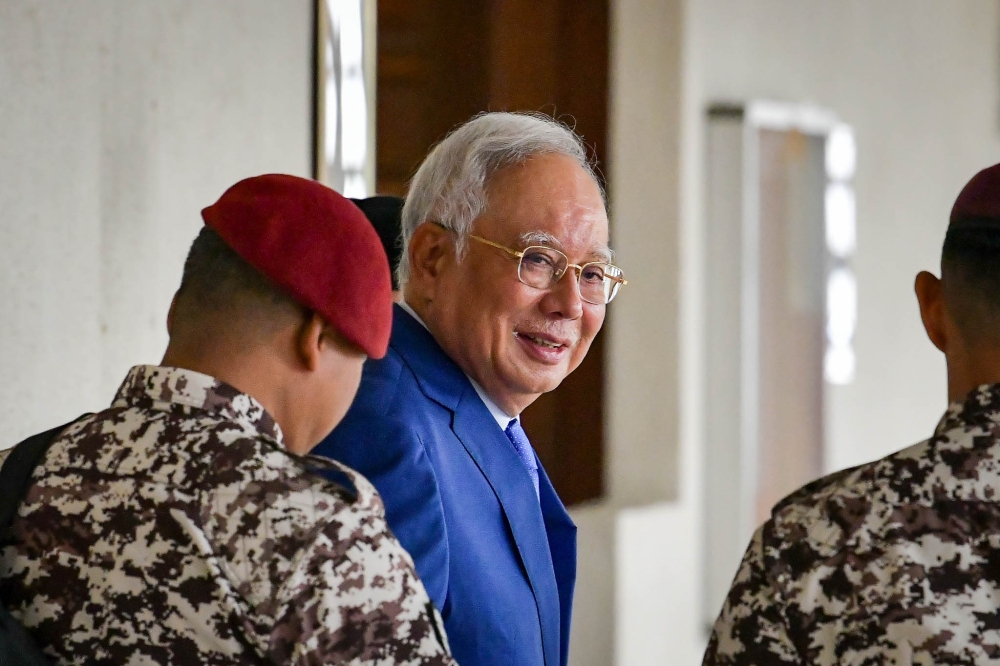
Former Malaysian Prime Minister Datuk Seri Najib Razak is recuperating in stable condition following a coronary procedure, medical authorities announced, with cardiologists confirming that vessel stenting proved unnecessary during the intervention. The announcement, coming from his medical team, provides reassurance regarding the health status of the prominent political figure who has faced significant judicial scrutiny in recent years.
The procedure itself represents a routine but significant intervention in cases where coronary artery imaging reveals potential blockages or restrictions in blood flow. Coronary angiography, the diagnostic technique typically employed in such situations, allows physicians to visualise the arterial pathways supplying the heart muscle and determine whether mechanical intervention through stent placement is warranted. In Najib's case, the decision by attending cardiologists to proceed without stent implantation suggests that either no significant stenosis was discovered or that alternative management approaches were deemed more appropriate.
The timing of this medical development carries particular weight given Najib's involvement in ongoing legal proceedings and his role as a senior figure in the United Malays National Organisation, one of Malaysia's oldest and most influential political entities. His health status remains a matter of public interest, not merely from humanitarian perspectives but also because his medical condition could potentially influence his political activities and judicial proceedings. The stability of his condition should alleviate concerns about his immediate wellbeing, though the underlying cardiac event that necessitated the procedure indicates underlying cardiovascular considerations requiring ongoing management.
Coronary interventions without stent placement are not uncommon in contemporary cardiology practice. Advances in diagnostic imaging and non-invasive imaging modalities have enabled physicians to distinguish between significant stenosis requiring intervention and less critical lesions that may respond to medical optimisation alone. The decision-making process in such cases relies heavily on the extent of arterial narrowing, the functional significance of any blockage, and the overall cardiac risk profile of the individual patient.
For Malaysian observers, the development underscores the importance of cardiovascular health management among the nation's senior political leadership. Coronary artery disease remains a significant health burden across Southeast Asia, with risk factors including hypertension, diabetes mellitus, dyslipidaemia, and lifestyle-related elements contributing to disease prevalence in the region. The public health implications of cardiac events among prominent national figures often extend beyond the individuals involved, prompting broader societal reflection on preventive health measures.
Najib's medical situation also highlights the interplay between personal health circumstances and political activity in a democratic context. The ability of political figures to discharge their responsibilities while managing chronic health conditions remains an important consideration in parliamentary systems. Transparent communication regarding the health status of public figures, balanced against legitimate privacy considerations, enables informed public understanding of leadership capacity and continuity of governance.
The confirmation that no stent implantation was required carries positive prognostic implications, suggesting that Najib's coronary anatomy did not necessitate the permanent placement of a foreign object within his arterial system. Such outcomes typically allow for less intensive long-term antiplatelet therapy regimens compared to stented patients, reducing the complexity of ongoing medical management and potential drug interaction concerns. However, any individual undergoing coronary angiography generally requires reassessment regarding cardiovascular risk factor optimisation and consideration of preventive pharmacological interventions.
The medical team's statement regarding his stable condition represents standard clinical communication practices, providing essential reassurance to family members, political colleagues, and the general public. In the Malaysian context, where political transitions and leadership health have occasionally intersected significantly, such clarity serves important informational functions for the broader body politic. The absence of complications during the procedure, as implied by the stability confirmation, suggests that the intervention was conducted without major adverse events.
Moving forward, Najib's post-procedure management will likely involve comprehensive cardiovascular risk stratification, lifestyle modifications where applicable, and optimisation of medical therapy. Cardiac rehabilitation programmes, increasingly available across Malaysian healthcare facilities, offer structured approaches to physical reconditioning and secondary prevention following coronary interventions. These programmes address not only physical recovery but also psychological dimensions of cardiac events, which frequently influence longer-term outcomes and quality of life.
The incident serves as a reminder of the cardiovascular health challenges facing populations across Southeast Asia, where lifestyle modernisation has coincided with increasing prevalence of atherosclerotic disease. Early detection through imaging technologies, prompt intervention where clinically indicated, and comprehensive long-term management represent cornerstones of contemporary cardiology practice. For a nation with rapidly evolving healthcare infrastructure and capabilities, the successful management of complex cardiac cases among prominent citizens demonstrates the technical competence of Malaysia's medical professionals.
As Najib continues his recovery trajectory, ongoing transparency regarding his health status, balanced appropriately with personal privacy, will remain important for public confidence in the continuity and stability of political institutions. The treatment he received reflects the standards of contemporary Malaysian healthcare delivery and the availability of advanced cardiac interventional techniques within the country's medical ecosystem.

