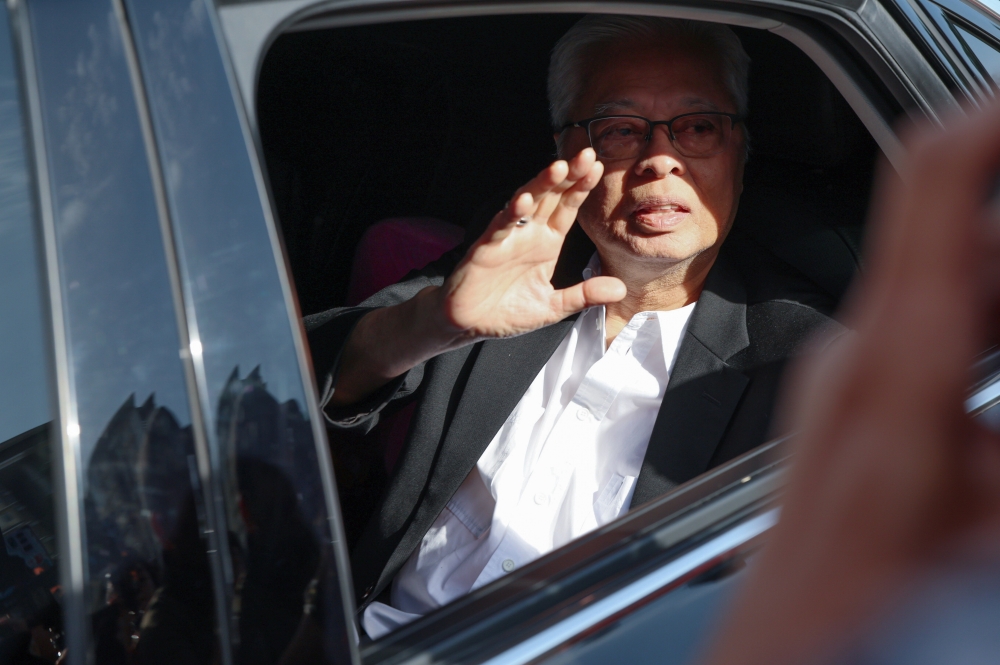
Datuk Seri Ismail Sabri Yaakob, who served as Malaysia's Prime Minister until late 2022, will appear before the Kuala Lumpur Sessions Court to face formal charges in what represents a significant moment in the nation's political and legal landscape. The appearance follows months of investigation and underscores the continuing pattern of legal action against senior government figures that has dominated Malaysian politics over the past decade.
The development emerges against a backdrop of heightened scrutiny into the conduct of political leaders across multiple administrations. Malaysia's judiciary and law enforcement agencies have maintained increased focus on allegations involving former office-holders, reflecting broader concerns about governance standards and accountability. The charges against Ismail Sabri add to a growing roster of cases involving individuals who held high-ranking positions during various political transitions.
Ismail Sabri's tenure as Prime Minister lasted approximately 17 months, ending in August 2022 when he stepped down following internal political challenges within Umno and broader coalition dynamics. His administration inherited significant economic and political challenges, including the lingering effects of the COVID-19 pandemic on Malaysia's economy and persistent questions about government stability. His departure marked the third change in the nation's chief executive within two years, contributing to public concerns about political continuity and governance effectiveness.
The legal proceedings reflect Malaysia's complex constitutional framework and the responsibilities imposed on holders of high office. Under Malaysian law, former elected officials and civil servants remain subject to the same legal obligations as ordinary citizens once their tenure concludes. The Sessions Court, as a tier-one court, handles cases that fall within its jurisdiction regarding criminal matters, making it the appropriate forum for such proceedings involving prominent political figures.
For Malaysian observers, the case carries implications extending beyond the individual defendant. It demonstrates the workings of judicial independence in addressing allegations against powerful figures, an area where Malaysia's institutions have faced international scrutiny. The proceedings provide a visible test of whether the nation's courts can impartially handle cases involving those who previously wielded executive authority, a question that resonates across Southeast Asia where similar issues have challenged democratic institutions in neighbouring countries.
The timing of the charges also intersects with Malaysia's evolving political environment. The nation continues to navigate complex coalition negotiations and policy development across multiple levels of government. Public attention to cases involving former leaders often influences perceptions of governance quality and institutional fairness, factors that shape voter sentiment and political participation. The proceedings against Ismail Sabri thus occur within a broader context of political realignment and institutional evaluation.
International observers and regional analysts have maintained interest in how Malaysia's judicial system processes high-profile cases. The nation's approach to prosecuting former officials has diplomatic dimensions, affecting Malaysia's reputation regarding rule of law and institutional independence. Neighbouring Southeast Asian nations closely observe such proceedings, as they inform regional assessments of democratic resilience and institutional accountability within ASEAN member states.
The appearance at the Sessions Court marks a formal transition from investigation to prosecution, a procedural threshold that carries both legal and political significance. Once charges are formally presented, the proceedings enter the public judicial record, ensuring transparency regarding the allegations and supporting evidence. This stage typically includes preliminary legal arguments regarding the validity and sufficiency of charges before substantive trial proceedings commence.
For Ismail Sabri's supporters and critics alike, the case represents either a vindication of accountability mechanisms or a concerning application of prosecutorial discretion, depending on one's political perspective. Such polarised interpretations reflect Malaysia's broader political divisions and disagreements over how institutional processes should function. The former Prime Minister's legal team will presumably contest the charges through available judicial remedies and procedural mechanisms.
The broader implications of this prosecution extend to how Malaysia balances political accountability with political stability. Excessive prosecution of former officials could create perceptions of victimisation and undermine public confidence in institutional neutrality. Conversely, insufficient accountability might suggest that high office provides immunity from legal consequences. Malaysian policymakers and citizens continue debating where this equilibrium should rest.
Looking forward, the Sessions Court proceedings will provide clarification regarding the specific allegations underpinning the charges and the evidence supporting them. These details will shape public discourse around governance standards and individual responsibility. For Malaysia's political landscape, the case exemplifies how legal proceedings intersect with electoral politics and policy development, influencing institutional trust and democratic participation across the nation.

