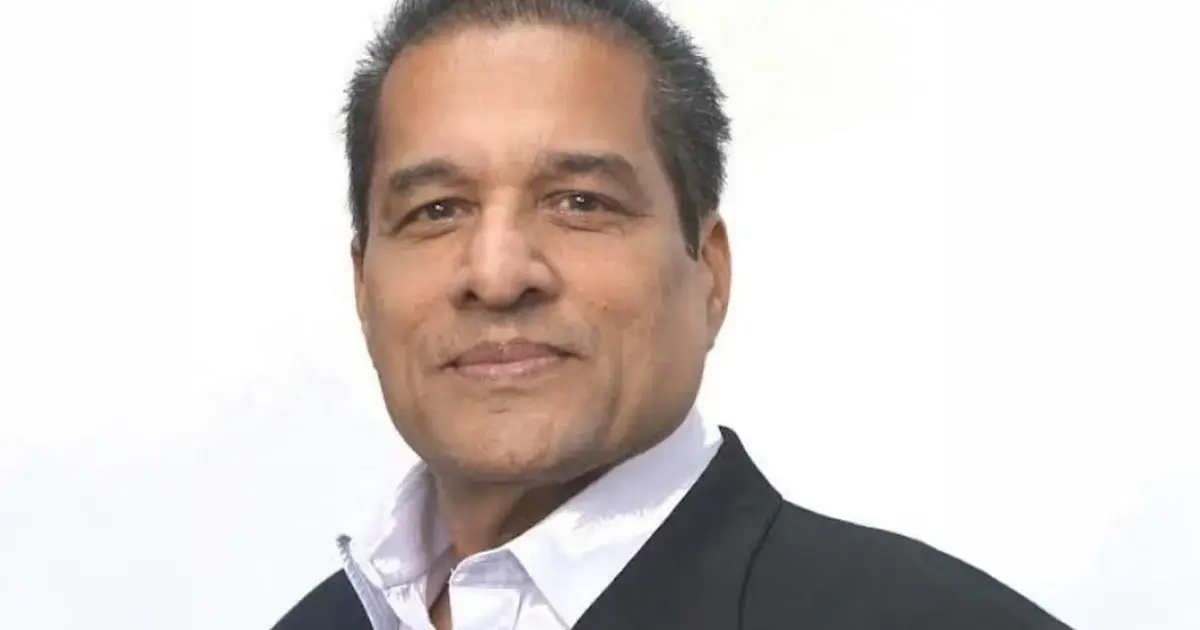
A High Court judgment has required former senator Daljit Singh to settle outstanding financial obligations totalling RM275,000 to MRCB executive vice-chairman Salim Fateh Din, marking the conclusion of legal proceedings that touched on both personal reputation and business dealings between the two men.
The court's decision comprises two distinct components. Singh must pay RM175,000 encompassing damages for defamation alongside associated legal costs, reflecting the court's finding that his statements about Fateh Din caused reputational harm. Additionally, the former senator is required to repay a RM100,000 loan that had previously been advanced to him, bringing the total obligation to RM275,000.
The case underscores the complexities that can arise when professional and personal relationships intersect within Malaysia's business and political landscape. MRCB, a prominent real estate and development corporation, has maintained a significant presence in the country's construction sector. Fateh Din's position as executive vice-chairman places him among the company's senior leadership, giving the dispute added dimensions beyond mere interpersonal conflict.
Defamation cases in Malaysian courts typically require plaintiffs to demonstrate that false statements were made, that these statements were communicated to third parties, and that they resulted in identifiable harm to reputation or standing. The High Court's ruling suggests that Singh's statements met the legal threshold for defamation, though the specific nature of the contested remarks remains a matter of record within court documentation.
The inclusion of both defamation damages and loan repayment within a single judgment indicates that the disputes were likely heard together, allowing the court to address multiple grievances arising from the relationship between the parties. This approach streamlines proceedings while ensuring comprehensive resolution of outstanding matters.
For Singh, the judgment represents a significant financial consequence of engaging in public statements about Fateh Din. As a former senator, Singh would have maintained a public profile during his tenure and potentially thereafter, making any reputational disputes particularly susceptible to wider circulation and commentary. The scale of the damages award reflects the court's assessment of the harm caused by the defamatory statements.
The loan component carries separate implications. The RM100,000 advance appears to have been made on informal or business terms, yet remained unsettled over a period sufficiently prolonged to warrant formal legal recovery proceedings. This element suggests a breakdown in the informal dispute resolution mechanisms that often characterise business relationships in Malaysia, necessitating court intervention.
Political and business figures in Malaysia frequently intertwine their professional interests with personal relationships, creating potential friction points when commercial arrangements go awry. The case of Singh and Fateh Din illustrates how such entanglements can escalate into formal litigation, particularly when reputation becomes entangled with financial disputes. The involvement of a former senator amplifies the public interest dimension, as figures who have held office continue to attract scrutiny beyond their formal tenure.
The judgment also carries implications for political figures contemplating public statements about business counterparts or rivals. Courts have consistently maintained that public position does not confer blanket immunity from defamation liability, and the High Court's ruling reinforces this principle. Individuals in the political sphere must calibrate their public communications to avoid crossing from legitimate criticism into defamatory territory.
From a broader perspective, the case demonstrates that Malaysia's legal system continues to enforce accountability for defamatory speech and contractual obligations through civil remedies. While criminal defamation remains available under the Penal Code, civil suits offer plaintiffs a mechanism to recover damages without requiring proof of criminal intent, making them an increasingly popular recourse for those alleging reputational injury.
The financial stakes involved—RM275,000 in total—indicate the seriousness with which the court treated the matter. This figure likely reflects not merely nominal damages but a substantive assessment of the harm caused, coupled with full cost recovery that incentivises defendants to avoid frivolous defences and encourages settlement in future disputes.
Moving forward, the judgment may influence how former and current political figures approach statements concerning prominent business personalities. The decision sends a clear message that proximity to power and public prominence do not shield individuals from civil liability for false and damaging statements. Similarly, it underscores the importance of honouring financial commitments, particularly those made to individuals with whom one shares professional or political relationships.
For Malaysian readers following political and business circles, the case serves as a reminder of the intersection between public accountability and private conduct. While political speech remains protected in many contexts, courts consistently distinguish between fair comment and defamation, a principle the High Court has once again reinforced through its judgment against Singh.

