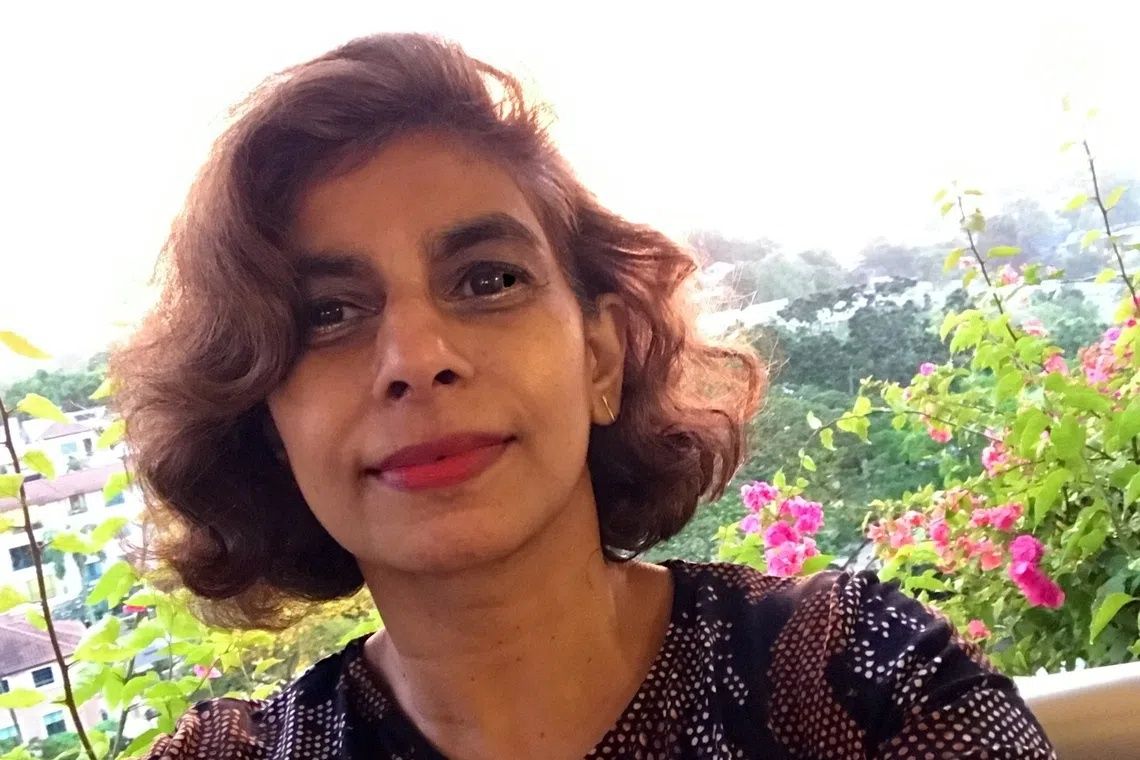
A former television journalist in Singapore has been released on a personal bond of S$5,000 following a bail review hearing, ending a remand period that extended beyond five months. Haseenah Koyakutty, aged 57, had been held in custody since earlier in the year while facing several criminal allegations. The decision to grant her release came after both the prosecution and defence counsel agreed to the bail terms during the Aug 5 court session, with the judge approving the arrangement without objection.
The prosecution's willingness to drop its opposition to bail reflected the considerable length of Haseenah's detention. Prosecutors acknowledged that she had already spent five months and seven days in remand, a duration that appeared to have shifted their position on continued incarceration. The granting of a personal bond rather than a cash bail suggests the court was satisfied with non-monetary conditions for her release, placing responsibility on Haseenah to ensure her continued cooperation with the judicial process.
Haseenah's legal troubles began when she was initially granted bail between May 2023 and May 2025, but she subsequently breached the conditions attached to that release. Court records indicate that she failed to comply with her bail requirements and did not present herself to the investigation officer at the prescribed times. These breaches appear to have triggered her remand, though the specific circumstances surrounding the alleged violations remain subject to ongoing legal proceedings.
The charges she faces paint a picture of escalating legal difficulties across several incidents. She is accused of six separate offences, ranging from alleged harassment to trespassing. Most notably, she stands accused of causing alarm to an individual through the use of insulting words, with this alleged incident occurring on Dec 17, 2025, at Takashimaya Shopping Centre. What makes this charge particularly sensitive is that the insulting comments were reportedly directed at or concerned Singapore's Chief Justice, a senior judicial figure whose position carries significant constitutional weight within the city-state.
Beyond the harassment allegation, Haseenah faces two separate criminal trespass charges spanning different years. The first involves an alleged unlawful entry and occupation of Shangri-La Hotel in 2023, while the second relates to trespassing at a Bukit Timah property in May 2025. These incidents suggest a pattern of behaviour that authorities have deemed sufficiently concerning to warrant criminal charges. Criminal trespass allegations, while individually carrying modest penalties, accumulate to present a more serious overall picture when combined with other offences.
Additionally, Haseenah is accused of refusing to sign police statements during two separate investigation periods, once in April 2023 and again in June 2025. The refusal to formally acknowledge police records is itself a criminal matter, indicating potential obstacles in the investigation process. Such charges are often used to ensure compliance with police procedures and underscore the authorities' concerns about her cooperation with their inquiries.
Haseenah's professional background adds another dimension to her case. During the 1990s, she worked as a broadcast journalist for the then Television Corporation of Singapore, positioning herself within the country's established media landscape at a significant time in Singapore's development. Her career subsequently progressed to more senior roles, including serving as Indonesia bureau chief for Channel NewsAsia, demonstrating her experience in regional journalism and international news gathering. Later in her career, she held a visiting fellowship focused on public diplomacy at Nanyang Technological University's Institute of Defence and Strategic Studies, suggesting an intellectual engagement with strategic communication and international relations.
The legal consequences she could face, should convictions result, are substantive. Criminal trespass carries potential imprisonment of up to three months, fines reaching S$1,500, or both. The harassment charge carries more severe penalties under the Protection from Harassment Act, with possible jail terms extending to six months and fines up to S$5,000. Given that she faces multiple charges across different categories, the cumulative sentencing exposure is considerably higher, creating significant stakes for her legal defence.
Haseenah's case now proceeds toward a pre-trial conference scheduled for Sept 1, where the substantive legal arguments and procedural matters will be addressed. This stage typically involves discussions about evidence, potential plea negotiations, and the scope of trials ahead. Her release on personal bond allows her to continue preparing her defence from outside custody, though she remains subject to bail conditions and court oversight. The forthcoming conference will determine the trajectory of her case and the timeline for any eventual trial.
This case carries implications for understanding how Singapore's legal system handles individuals with established media credentials and professional standing. The intersection of journalism, public commentary, and criminal law—particularly regarding allegations touching on senior judicial figures—reflects broader tensions around freedom of expression and legal boundaries in a city-state known for its strict regulatory environment. For Malaysian and regional observers, the case illustrates how different Southeast Asian jurisdictions approach similar issues of public commentary, harassment law, and the treatment of media professionals within the criminal justice system.

