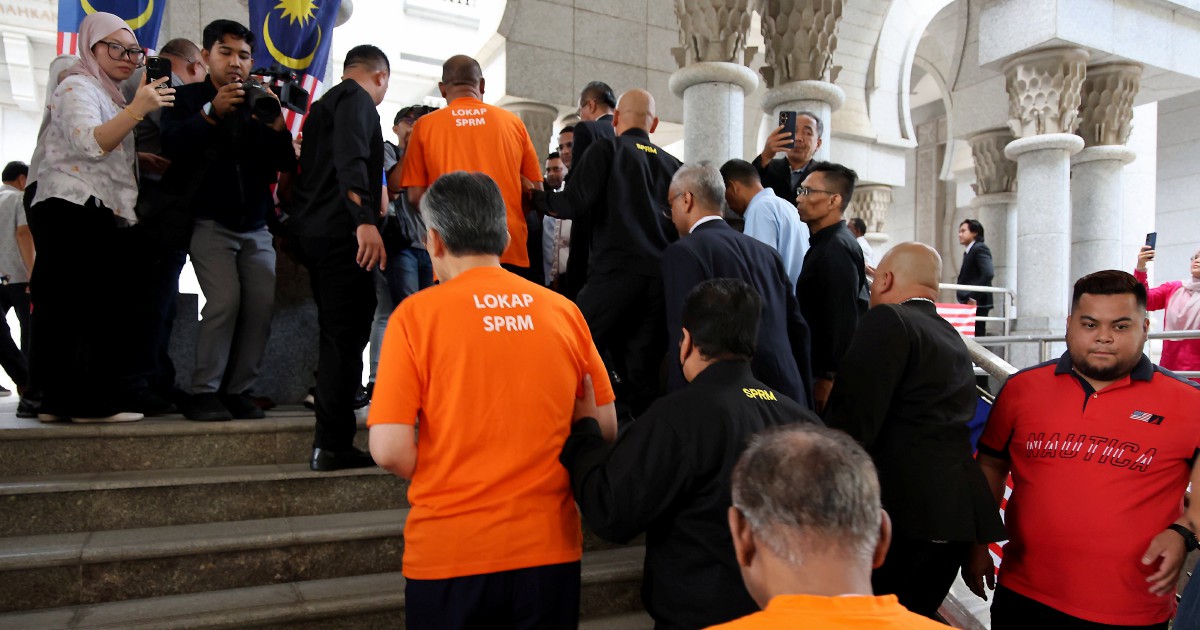
The Malaysian Anti-Corruption Commission obtained a four-day remand extension today in Putrajaya against the former chief executive officer of Tabung Haji, signalling the corruption watchdog's intensified scrutiny of the troubled pilgrimage savings institution. The extension indicates that investigators believe additional time is necessary to pursue lines of inquiry and gather evidence related to allegations emerging from the Royal Commission of Inquiry into Tabung Haji's operations and governance.
Tabung Haji has faced mounting scrutiny following successive financial crises and governance concerns, with the Royal Commission of Inquiry established to examine systemic failures and potential misconduct within the organisation. The institution, which manages savings and pilgrimage funds for millions of Malaysian Muslims, has become the focus of heightened public and regulatory attention after years of poor financial performance and investment losses that eroded depositor confidence.
The extension of remand reflects the MACC's determination to investigate specific matters that emerged during or stem from the Royal Commission proceedings. Investigators typically seek extended detention when they require time to conduct interviews, cross-reference statements, examine financial records, or pursue new leads that emerge during questioning. The four-day window allows the commission to deepen its examination while maintaining legal custody of the suspect.
Tabung Haji's institutional crisis has unfolded over several years, with the organisation struggling to meet redemption requests from members and facing criticism over investment strategies that produced substantial losses. The situation escalated sufficiently to warrant government intervention through the establishment of a formal Royal Commission, underscoring the seriousness of concerns surrounding management and operational practices at the pilgrim fund.
A Royal Commission of Inquiry represents a significant escalation in accountability mechanisms, deployed when the government seeks comprehensive, independent investigation into serious matters affecting public institutions. The findings from such commissions typically form the basis for prosecutorial action, regulatory reform, and potential criminal charges against individuals identified as bearing responsibility for institutional failures or misconduct.
The MACC's move to obtain the remand extension demonstrates the enforcement agency's proactive approach in translating investigative findings into concrete action. The commission operates under heightened expectations from the public and government to pursue high-profile cases involving potential corruption or misconduct within state-linked institutions, particularly those managing public funds or servicing essential services to Malaysian citizens.
For Malaysian depositors and members relying on Tabung Haji for retirement and pilgrimage savings, the investigation carries direct personal significance. The institution manages substantial accumulated wealth belonging to ordinary Malaysians, and governance failures or misappropriation would represent a profound breach of public trust. The criminal investigation thus reassures members that authorities are actively pursuing accountability for any wrongdoing that contributed to the institution's difficulties.
The former CEO's detention also reflects broader governance reforms taking hold across Malaysian public institutions. In recent years, increased political will to pursue corruption cases, combined with enhanced investigative capabilities and public pressure for accountability, has created an environment where senior officials can no longer assume immunity from scrutiny. The MACC's actions in this case signal that even high-ranking executives at established institutions face potential consequences for alleged misconduct.
Regional observers have noted Malaysia's varying approaches to institutional accountability and corruption enforcement, with cases like this demonstrating periods of genuine investigative momentum. The extension of the remand and continuation of the inquiry suggest the MACC possesses sufficient evidence or leads to justify ongoing detention and investigation, moving the matter beyond preliminary stages into substantive probe territory.
The Royal Commission of Inquiry process, combined with parallel criminal investigation by the MACC, creates a two-track accountability mechanism that strengthens oversight of significant institutional failures. While the commission examines systemic issues and makes policy recommendations, the MACC pursues individual culpability and criminal liability, creating complementary rather than competing approaches to achieving institutional reform and justice.
As investigations proceed, the implications extend beyond the individual former executive to broader questions about governance standards within Malaysian state-linked enterprises. Other pilgrimage funds and similar institutions operating in the region may face heightened scrutiny from regulators and stakeholders, potentially accelerating governance improvements across the sector. The Tabung Haji case serves as a powerful demonstration that institutional prominence or historical significance no longer insulates leadership from criminal investigation.

