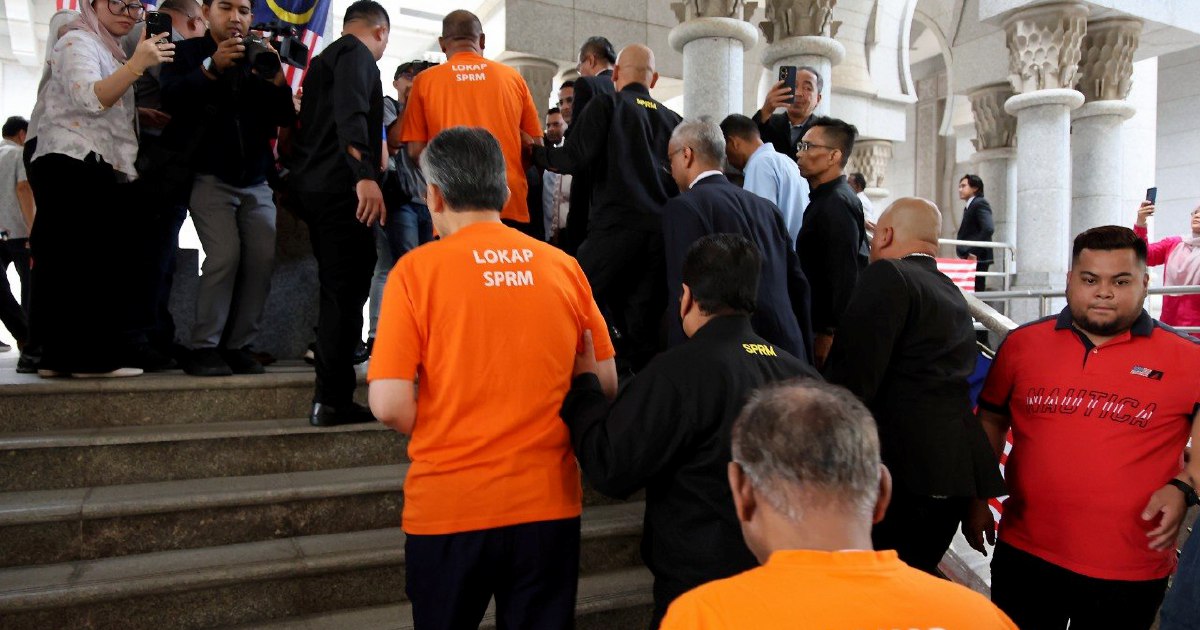
A former chairman of Lembaga Tabung Haji and a former secretary-general of the Treasury were brought before Putrajaya magistrates' court on Tuesday for a remand hearing, continuing the pattern of high-profile appearances in what appears to be a widening investigation into governance and financial management at the pilgrimage savings fund.
The appearance of both individuals underscores the expanding scope of investigations into TH's operations, an institution that has been at the centre of public scrutiny in recent years over questions regarding fund management and accountability. The simultaneous appearance of officials from both TH and the Treasury suggests investigators may be examining connections between the two institutions and how regulatory oversight functioned during the period in question.
Lembaga Tabung Haji, established to help Malaysian Muslims save for the pilgrimage to Mecca, has faced repeated criticism over its investment strategies and financial performance. The fund's difficulties have attracted considerable attention from parliament, civil society organisations, and the media, with observers questioning whether adequate safeguards existed to protect contributors' savings. The involvement of a former Treasury official in the current proceedings raises questions about the level of supervision and oversight that should have been exercised by the finance ministry's top civil servant.
Remand hearings serve a critical function in the Malaysian legal system, allowing authorities to seek permission from the courts to hold suspects for interrogation purposes. The fact that both suspects have reached this stage suggests investigators believe they have sufficient grounds to detain them for questioning regarding their respective roles and responsibilities during their tenures. The specific charges or allegations have not yet been made public, though observers anticipate clarity will emerge as proceedings advance.
The involvement of Treasury officials in investigations into TH raises broader questions about the intersection of government oversight and institutional management. The Treasury secretary-general traditionally holds significant responsibility for financial governance across federal agencies and entities, making their involvement particularly noteworthy. If TH's governance failures reached the point of attracting law enforcement attention from both federal authorities and specialist investigative bodies, it suggests systemic issues may have extended beyond the fund itself.
TH contributors across Malaysia represent millions of ordinary citizens who depend on the institution to safeguard their savings for one of Islam's five pillars. Many have expressed concern about the security of their funds, particularly following revelations about investment losses and management decisions that appeared to prioritise certain projects over fund sustainability. A former chairman's appearance in court carries direct relevance for these contributors who have entrusted their money to the institution.
The remand hearing procedure typically involves prosecutors presenting evidence to a magistrate explaining why continued detention is necessary for investigation purposes. Suspects have the right to seek bail or challenge the remand application, with magistrates weighing the prosecution's arguments against principles protecting individual liberty. The timing and duration of any remand granted will significantly influence the pace of investigations and the timeline for potential charges.
Regulatory frameworks governing pilgrimage funds and sovereign wealth institutions have come under intense scrutiny regionally and internationally. Southeast Asian nations with large Muslim populations maintain similar mechanisms for facilitating hajj savings, making Malaysia's experience particularly relevant to neighbouring countries considering regulatory reforms. How Malaysian authorities handle this investigation will likely influence discussions about governance standards across the region.
The court appearance also reflects Malaysia's ongoing efforts to demonstrate commitment to accountability and rule of law, concerns that have occupied significant political space following the 1Malaysia Development Berhad scandal and other high-profile cases involving financial mismanagement. Public confidence in institutions often depends on visible manifestations of the justice system functioning impartially and thoroughly, regardless of the seniority of those involved.
Previous investigations into TH have involved recommendations for management changes, regulatory adjustments, and increased parliamentary oversight. However, if criminal liability is being considered for senior officials, it signals that investigators may view certain actions as potentially crossing the line from administrative failure into illegal conduct. This distinction carries substantial implications for corporate governance standards across Malaysia's public sector entities.
The case highlights ongoing tension in Malaysia between institutional autonomy and government accountability. While entities like TH maintain independence to manage operations, they ultimately answer to the public and government structures meant to ensure responsible stewardship of citizen resources. When governance structures fail, determining where accountability lies—with board members, management, oversight bodies, or senior government officials—becomes a complex legal and constitutional question.
As the remand hearing progresses, Malaysian observers and pilgrimage fund contributors will watch closely for signals about the investigation's direction and likely outcomes. The proceedings carry implications extending beyond the individuals involved to questions about institutional reform, regulatory effectiveness, and how Malaysia's public sector entities will be governed and supervised in future.

