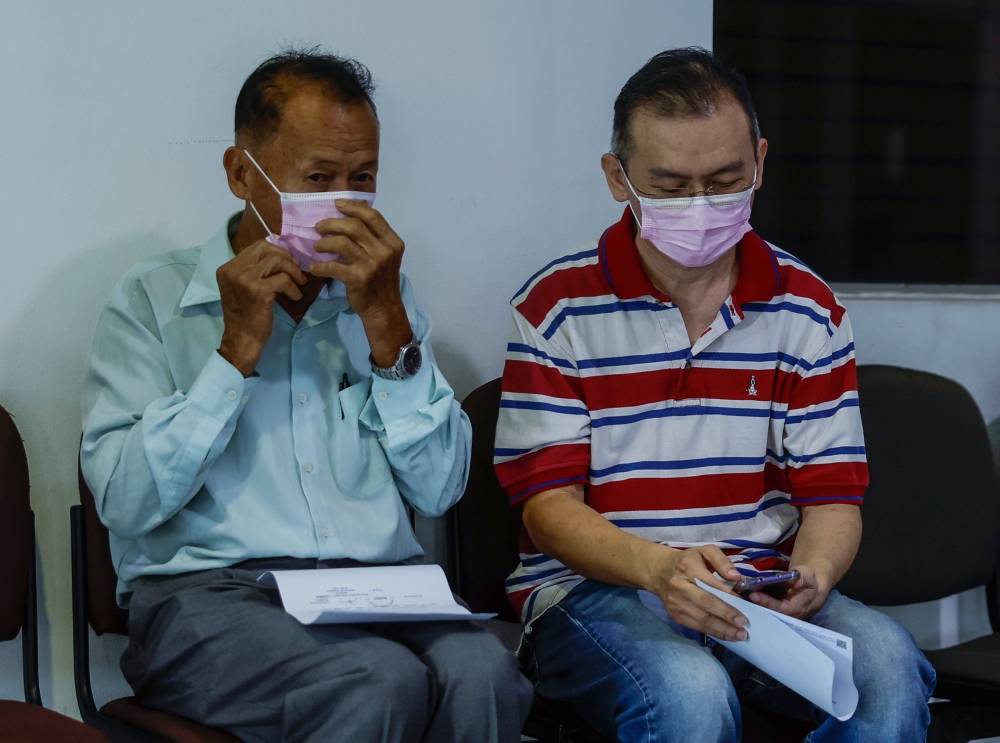
Four individuals appeared before the Shah Alam Sessions Court on Wednesday to face charges related to false statements submitted as part of applications for Perkeso's Daya Kerjaya 2.0 employment assistance programme. The cases underscore emerging concerns about the integrity of government-backed job support initiatives and the mechanisms designed to prevent misuse of public funds intended for workers genuinely in need of employment assistance.
The Daya Kerjaya 2.0 scheme, administered by the Employees Provident Fund Organisation (Perkeso), represents a significant component of Malaysia's social safety net for workers. The programme aims to provide targeted support to employees facing job loss or reduced working hours, offering financial aid and skills training to facilitate their return to productive employment. Given the substantial public resources channelled through such initiatives, maintaining stringent oversight and verification processes becomes essential to ensure funds reach their intended beneficiaries.
The allegations of false statements in application materials suggest that verification procedures may require strengthening. When applicants furnish inaccurate information—whether regarding employment status, income levels, household composition, or other qualifying criteria—they potentially displace resources that could otherwise assist truly vulnerable workers. Such misrepresentation undermines the scheme's redistributive purpose and erodes public confidence in government assistance programmes more broadly.
Court proceedings in cases involving application fraud typically hinge on documentary evidence, including submitted forms, supporting statements, and official records maintained by Perkeso. Prosecutors must establish not merely that information was incorrect, but that individuals knowingly or recklessly provided false material with intent to deceive or secure unwarranted benefits. The specifics of each accused person's circumstances—their employment history, income documentation, and explanations for discrepancies—will substantially influence case outcomes.
For Malaysian workers and employers, the implications extend beyond the four individuals now facing justice. Heightened scrutiny of Perkeso applications may introduce additional bureaucratic steps for legitimate applicants seeking assistance. Conversely, strengthened verification mechanisms could reduce processing times by filtering out problematic submissions earlier. The balance between accessibility and security represents an ongoing challenge for social protection agencies across the region.
The cases also reflect broader patterns observed across Southeast Asian government assistance programmes, where application fraud occasionally surfaces despite administrative safeguards. Indonesia's social assistance schemes, the Philippines' cash transfer programs, and Thailand's welfare initiatives have similarly grappled with verification challenges. Malaysia's approach to investigating and prosecuting suspected fraud signals institutional commitment to programme integrity, though experts often note that detection rates likely capture only a fraction of actual misrepresentation.
Perkeso's role as administrator places the organisation in a complex position. The agency must balance accessibility—ensuring eligible workers can navigate application processes without excessive burden—against rigorous verification that deters fraud. Training frontline staff to spot inconsistencies, implementing cross-checks with tax records and employment databases, and conducting post-approval audits represent standard approaches. However, resource constraints sometimes limit investigation capacity, particularly when suspected cases involve modest benefit amounts that may seem administratively costly to pursue.
The investigation and prosecution process itself carries educational value. When cases proceed through open court proceedings, media coverage communicates to the broader population that false statements attract legal consequences. This deterrent effect, though difficult to quantify precisely, reinforces the seriousness with which authorities treat programme integrity. Conversely, perceived leniency or infrequent prosecution might signal to potential fraudsters that the risk-reward calculation favours misrepresentation.
For individuals legitimately eligible for Daya Kerjaya 2.0, the charged cases underline the importance of scrupulous accuracy when completing applications. Supporting documentation should be complete, authentic, and honestly presented. Workers uncertain about their eligibility or how to complete forms correctly should seek clarification from Perkeso staff rather than making assumptions that might later prove problematic. The stakes—potentially facing court charges, criminal conviction, and reputational damage—far exceed any temporary financial benefit gained through false applications.
Looking forward, these proceedings may prompt Perkeso to review its application processes and verification protocols. Technological solutions including automated cross-referencing with relevant government databases could reduce manual verification burdens whilst improving accuracy. Enhanced training for staff reviewing applications might sharpen their ability to identify red flags suggesting potential misrepresentation. Investment in these protective measures demonstrates institutional seriousness about maintaining programme credibility.
The broader context matters too. During economic downturns or periods of elevated unemployment, demand for assistance schemes naturally increases, potentially creating pressure on administrative resources. Perkeso must maintain verification standards even when application volumes surge. Adequate budget allocation, sufficient trained personnel, and modern systems infrastructure become critical prerequisites for effective programme administration during challenging economic periods when worker needs peak.
These four cases serve as a reminder that government assistance programmes operate most effectively when underpinned by robust integrity mechanisms and consistent enforcement. Workers genuinely facing hardship deserve confidence that funds allocated for their support reach them reliably. Fraudulent applications divert resources from deserving recipients and weaken the political sustainability of comprehensive social protection systems. As Malaysia continues developing its social safety net architecture, balancing generosity with accountability remains paramount.

