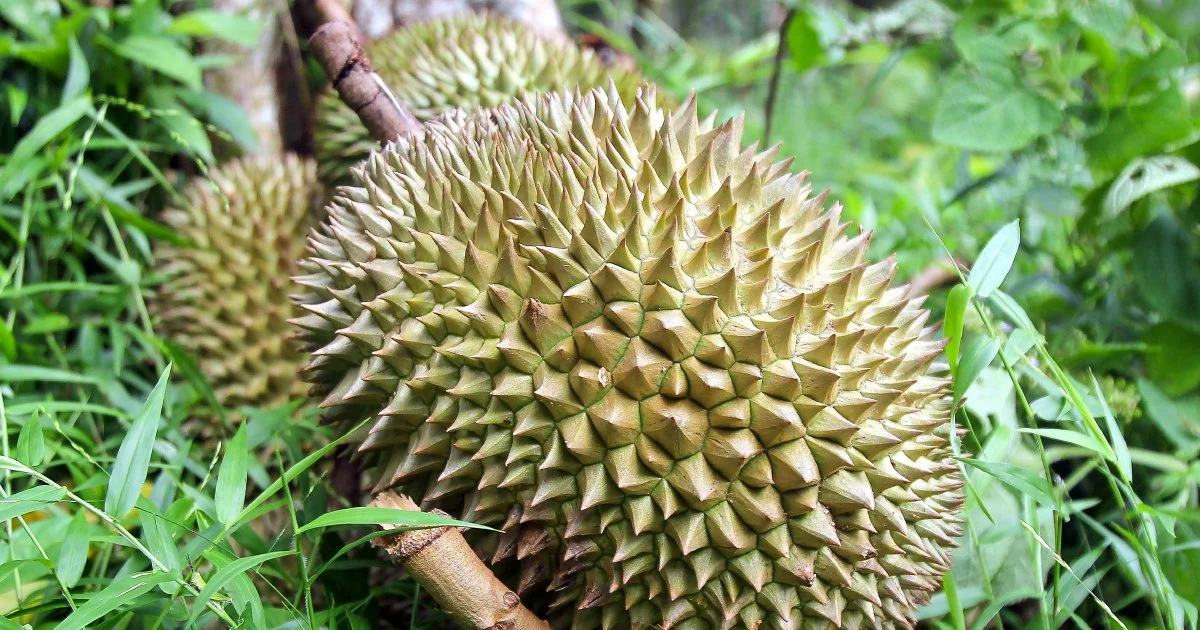
Four men have been taken into custody by police following a gang robbery at a plantation near Anjung Gapam in Bemban, Jasin, in an incident that has drawn attention to the rising problem of organised theft targeting agricultural operations in Melaka. The suspects are believed to have worked together to steal a substantial quantity of durians and a motorcycle from the orchard, with investigators estimating the total value of stolen items at around RM9,000.
The arrest came after local authorities received reports of the theft and launched an investigation into the incident. The police response highlights the growing concern among agricultural communities in the state regarding gang-related crime, which has increasingly targeted rural properties and farming areas where security infrastructure remains limited. Such robberies have become more frequent in recent years, with criminal syndicates specifically targeting high-value seasonal crops like premium durian varieties.
The location near Bemban, situated in the Jasin district of Melaka, is one of several agricultural zones experiencing heightened criminal activity. The region's proximity to major highways and its relatively sparse population density during off-peak hours make it an attractive target for organised crime groups. Local orchardists have expressed concerns about the vulnerability of their operations to coordinated theft, particularly during peak harvest seasons when valuable produce is accumulated on site.
The motorcycle theft component of this robbery suggests a degree of operational sophistication among the suspects. Beyond the immediate loss of the vehicle itself, the perpetrators likely intended to use it for escape purposes or as a commodity for quick resale in the underground market. This modus operandi is consistent with patterns observed in other regional agricultural crimes, where stolen motorcycles serve as transport for stolen goods and are frequently used by multiple members of criminal networks.
The durian produce targeted in this robbery represents significant economic value within Malaysia's agricultural sector. Premium durian varieties command high prices in both domestic and export markets, making orchards containing mature fruiting trees particularly vulnerable to theft. A single mature durian tree can yield substantial harvests, and thieves targeting large plantations can acquire considerable quantities of fruit in relatively short timeframes, making the risk-reward calculation attractive for organised criminal groups.
The RM9,000 loss figure reported in this case may represent only the immediate value of stolen goods at farm-gate prices. When accounting for retail markup and the cost of the motorcycle, the actual economic impact on the orchard owner extends considerably higher. Furthermore, damage caused during theft operations—including broken branches, trampled undergrowth, and disruption to harvesting schedules—often compounds the direct losses sustained by agricultural operators.
This incident underscores a broader security challenge facing Malaysia's agricultural sector, particularly in states like Melaka where farming communities operate with minimal police presence in rural areas. Many orchardists have responded by installing security cameras and hiring private guards, measures that represent additional operational costs for already margin-constrained farming operations. The need for enhanced security measures reflects the reality that crime prevention in agricultural zones requires a multi-stakeholder approach involving police, local councils, and the farming community itself.
The investigation into this case will likely examine the criminal network behind the robbery, including how the suspects identified the target, coordinated their actions, and arranged for the disposal of stolen durians and the motorcycle. Understanding these operational details helps law enforcement develop strategies to disrupt similar criminal activities before they occur. Intelligence-gathering operations focused on stolen goods markets, particularly for agricultural produce and motorcycles, remain critical to disrupting organised theft rings.
For the broader agricultural community in Southeast Asia, this case illustrates the vulnerability of farming operations to organised crime, even in relatively developed regions with established police infrastructure. Malaysian orchardists, particularly those growing high-value crops like durian, face pressure to invest in security that reduces already-tight profit margins. This economic burden falls disproportionately on smallholder farmers and medium-sized operations that lack the resources of large-scale agricultural conglomerates.
The arrest of these four suspects represents a tactical victory for police in addressing immediate criminal activity, yet it likely addresses only one node within a larger criminal network. Durian theft syndicates often operate across state boundaries, with established supply chains for moving stolen produce into processing facilities or export channels where traceability becomes difficult. Effective law enforcement responses require sustained investigation and cooperation between federal and state authorities to dismantle these networks systematically.
Moving forward, the incident highlights the importance of community engagement in crime prevention. Orchardists maintaining close communication with local police, reporting suspicious activities promptly, and implementing coordinated security measures across plantation clusters can significantly raise the risks and operational costs for would-be thieves. Agricultural associations in Melaka and elsewhere have begun advocating for targeted police resources dedicated specifically to rural crime prevention, recognizing that general policing strategies often overlook the distinct security needs of farming communities.

