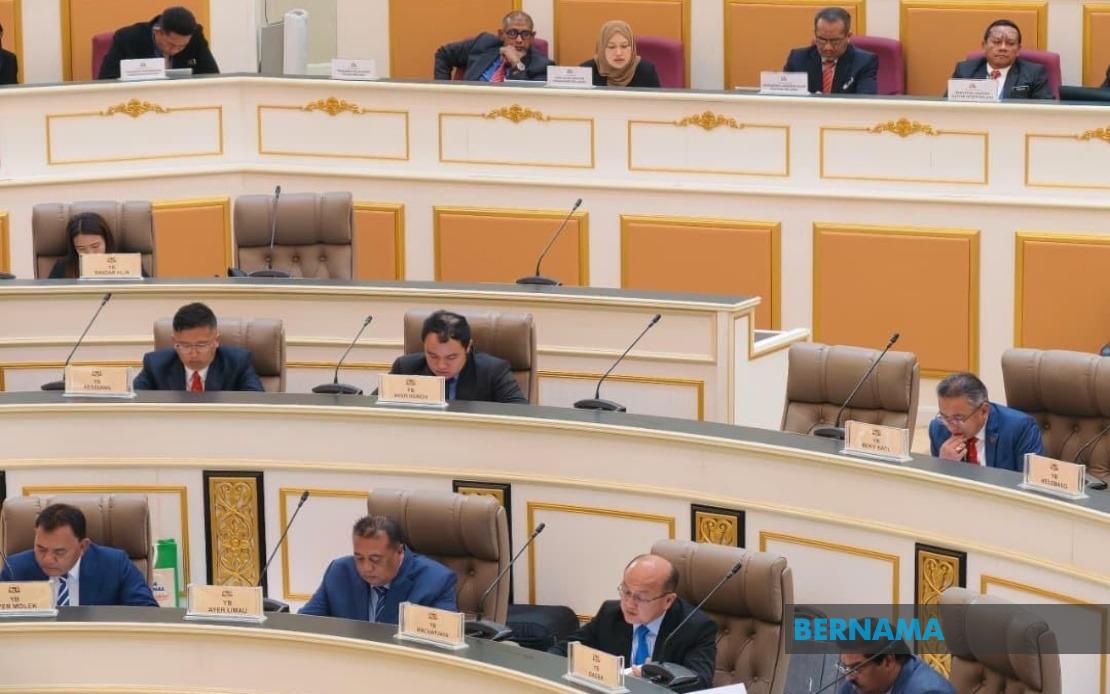
The political landscape in Melaka has undergone a significant reconfiguration with four Democratic Action Party (DAP) assemblymen moving to the opposition bloc during the State Legislative Assembly sitting on July 15. The repositioning follows the party's announcement the previous day that it would cease supporting the Barisan Nasional (BN)-led state administration, marking a dramatic shift in the composition of the government's parliamentary support base.
The four assemblymen who have crossed the chamber are Allex Seah Shoo Chin representing Kesidang, Low Chee Leong from Kota Laksamana, Leng Chau Yen of Banda Hilir, and Kerk Chee Yee from Ayer Keroh. They are now seated alongside members of the Perikatan Nasional coalition and Independent assemblymen in the opposition section of the chamber. This physical relocation underscores the breakdown of what had been a coalition arrangement between DAP and the BN-dominated state government.
The split within Melaka's ruling alliance has been incomplete, however. Adly Zahari, the sole representative from Parti Amanah Negara (Amanah) and chairman of the Melaka Pakatan Harapan coalition, has maintained his position within the government bloc. This decision to remain seated with the administration sets him apart from his DAP colleagues and highlights tensions within the broader opposition alliance. The divergence in approach between Amanah and DAP suggests differing calculations about the political consequences of remaining in government versus joining the opposition.
The immediate catalyst for DAP's withdrawal centres on constitutional amendments that the Melaka State Legislative Assembly had passed. These legislative changes would permit the appointment of nominated assemblymen to the state chamber, a mechanism that DAP firmly opposes. The party views such provisions as fundamentally at odds with democratic principles and the electoral mandate that citizens grant through the ballot box. This opposition reflects broader concerns within reform-minded political circles across Malaysia about strengthening democratic institutions and ensuring that representation flows directly from voter choice rather than executive discretion.
Melaka DAP chairman Khoo Poay Tiong articulated the party's reasoning behind its decisive move. The constitutional amendments, in DAP's assessment, represent a departure from the foundational principles upon which democratic governance rests. By introducing mechanisms for appointed legislators, the state government would be diluting the direct accountability that elected representatives owe to constituents. This position resonates with ongoing discussions in Malaysian politics about the balance between executive authority and democratic representation, particularly in states where coalition politics have created fluid parliamentary majorities.
Prime Minister Datuk Seri Anwar Ibrahim had attempted to forestall DAP's withdrawal before the announcement was made public. He appealed to Melaka DAP to defer their decision, urging the party to maintain the focus of state politics on development initiatives and welfare programmes that directly affect residents' daily lives. His intervention reflects the national government's interest in maintaining stability within coalition arrangements across Malaysian states. The appeal, however, proved unsuccessful in dissuading DAP from its course of action, suggesting that the party leadership viewed the constitutional matter as a threshold issue that transcended considerations of pragmatic coalition management.
Assembly Speaker Datuk Ibrahim Durum used the final day of the sitting to call upon all assemblymen to conduct themselves with discipline, decorum and courtesy, while adhering to established house rules. Such reminders become particularly important during periods of legislative realignment when emotional temperatures may run high. The speaker's emphasis on procedural propriety underscores the importance of maintaining institutional integrity even amid political turbulence. In Malaysian state assemblies, where physical proximity between government and opposition benches makes direct interaction inevitable, such calls for civility serve as essential anchors for maintaining the dignity of parliamentary proceedings.
The Melaka realignment carries implications beyond the state's borders. It demonstrates how constitutional and procedural matters can trigger coalition breakdowns even when parties have managed to work together on bread-and-butter governance issues. For observers tracking Malaysian coalition politics—where state governments frequently operate with narrow margins and shifting alliances—the Melaka situation exemplifies the fragility of multi-party arrangements in the absence of clear ideological alignment. The nomination mechanism that prompted DAP's exit touches upon questions of legislative legitimacy that extend across Malaysia's federal system.
The repositioning also highlights the ongoing tension between Pakatan Harapan's constituent parties regarding governance strategy. While DAP has chosen to signal its disapproval through withdrawal from the government, Amanah's decision to remain suggests different perspectives within the coalition about how best to influence policy outcomes. This internal disagreement may necessitate renewed dialogue within Pakatan Harapan's national leadership about managing state-level coalition arrangements and ensuring party positions align across different political tiers.
Looking ahead, the configuration now prevailing in Melaka's assembly presents the BN-led government with a reduced parliamentary cushion. With four fewer aligned assemblymen, the government's ability to pass legislation without securing support from crossbench members or breaking opposition ranks has diminished. This constraint may force more consultative approaches to policymaking or create pressure for the government to recalibrate its legislative agenda. The political economy of Melaka governance has been fundamentally altered by these movements, with consequences that will likely influence state-level decision-making throughout the remainder of the current assembly term.

