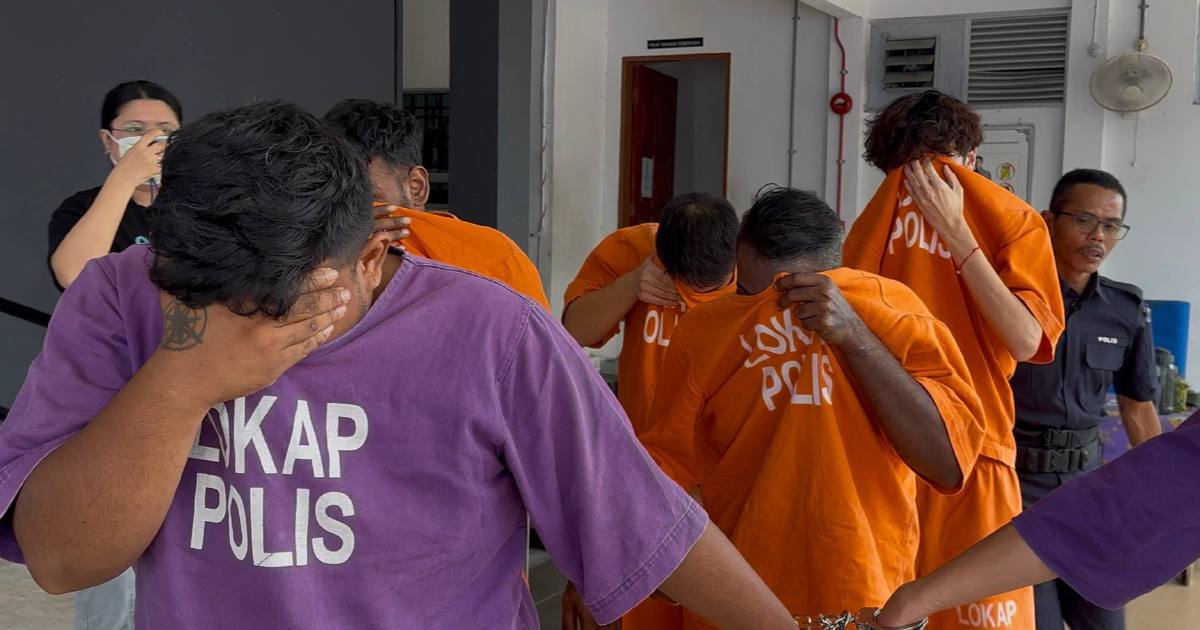
Four men currently held in remand custody will appear before the Batu Pahat magistrate's court tomorrow to face murder charges stemming from the death of a local businessman that occurred last month. The court appearance marks a significant development in what has become a high-profile criminal investigation in Johor's commercial hub.
The progression from remand to formal charges represents the culmination of police investigative work into the incident. Authorities have spent the intervening weeks gathering evidence, conducting interviews, and building their legal case against the accused men. The move to charge all four suspects simultaneously suggests that investigators have identified sufficient grounds to pursue the matter through the criminal courts.
Batu Pahat, located in the northern region of Johor, is a commercial and trading centre with a significant business community. Crimes involving businessmen in the district often draw considerable public attention, particularly when they result in fatalities. This case has underscored ongoing concerns about personal safety and security among Malaysia's business community, especially among smaller entrepreneurs and traders who operate in secondary cities.
The decision to proceed with murder charges carries considerable weight in Malaysia's legal system. Such charges require substantive evidence and investigation, and prosecutors must be confident in their evidentiary foundation before proceeding. The fact that all four accused are being charged together suggests they may have been acting collectively or in conspiracy, though the specific roles and circumstances that led to the businessman's death remain to be clarified through court proceedings.
The remand period has allowed investigators time to collate witness statements, forensic evidence, and other material pertinent to the case. During remand, police can interrogate suspects under strict legal guidelines while building their investigation file. The transition to court represents a shift from the investigative phase to the judicial process, where the accused will have the opportunity to enter pleas and begin their legal defence.
Family members and associates of the deceased businessman are likely monitoring developments closely as the criminal justice process unfolds. In Malaysia, murder cases can take considerable time to resolve, proceeding through preliminary inquiry stages and potentially advancing to higher courts depending on complexity and the nature of disputes. The magistrate's court appearance tomorrow will establish the foundation for subsequent legal proceedings.
For Johor's business community, such incidents raise questions about personal safety and the effectiveness of security measures. Murders involving business figures, whether stemming from commercial disputes, personal vendettas, or other motivations, create a chilling effect on confidence in the operating environment. Local authorities often respond by conducting special operations to reassure the public and demonstrate commitment to maintaining law and order.
The charging of multiple suspects simultaneously reflects modern policing approaches that emphasise thorough investigation before formal charges. This methodology has become standard practice in Malaysian law enforcement, particularly in serious criminal cases where multiple individuals may be implicated. It represents a shift from historical practices toward more methodical investigative frameworks designed to strengthen prosecutorial cases.
Courts in Johor have handled numerous high-profile criminal cases in recent years, establishing procedural precedents and demonstrating capacity to manage complex investigations. The magistrate's court system serves as the entry point for serious criminal matters, with magistrates determining whether cases warrant advancement to higher courts. Tomorrow's appearance will reveal the specific charges, quantum of evidence, and whether bail will be considered for any of the accused.
The investigation's success in identifying and apprehending four suspects relatively quickly demonstrates the coordination between various law enforcement agencies operating within Johor. Police have access to CCTV footage, witness networks, and forensic resources that facilitate the identification of suspects in urban and commercial areas. The presence of surveillance infrastructure in Batu Pahat's business district likely contributed to swift investigative progress.
Though fundamental details regarding the businessman's identity, the circumstances of his death, and the specific allegations against the accused remain subject to court discretion and sub judice considerations, the trajectory of this case will be closely observed. High-profile criminal cases serve as barometers for public confidence in Malaysia's justice system. The handling of proceedings, from tomorrow's charging through to eventual verdict, will influence perceptions of police competence and judicial fairness.
As the four men face the courts tomorrow, questions about motive, method, and the precise sequence of events will begin to emerge through the legal process. Whether the case proceeds swiftly or becomes protracted may depend on factors including evidence complexity, the availability of witnesses, and the calibre of legal representation. What appears certain is that the Batu Pahat community will be watching as the justice system processes what appears to be a serious breach of public order.

