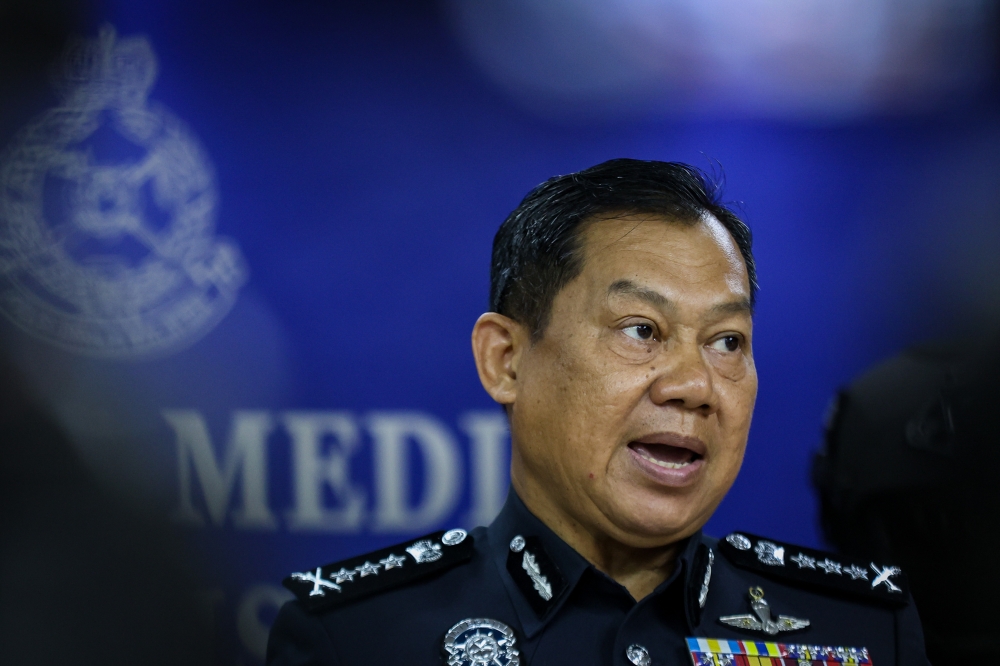
The death of a four-month-old infant in Johor has taken a more serious turn with authorities shifting their investigation from a potential accident to a homicide inquiry. Police have completed their investigative work on the case and forwarded comprehensive documentation to the prosecution, marking a significant development in what began as an unexplained death in the Taman Sri Saujana residential area.
The reclassification reflects findings that emerged during the police investigation phase, though specific details about the evidence supporting the murder designation have not been publicly disclosed. This transition from initial death investigation to a murder case typically indicates that examining officers found sufficient grounds to suspect intentional harm rather than accidental injury or natural causes. Such determinations are made only after forensic examinations, medical reports, and witness statements have been thoroughly evaluated.
For Malaysian observers, this case underscores the vulnerability of infants and the critical role that comprehensive death investigations play in protecting the youngest members of society. The involvement of prosecution authorities at this stage suggests the police have gathered materials they believe warrant potential criminal charges, though the prosecution will conduct its own independent assessment before deciding whether to pursue formal charges or request additional investigation.
The Taman Sri Saujana area in Johor, a residential neighbourhood serving middle-income families, has become the centre of intense investigative activity. The circumstances surrounding how a four-month-old child came to suffer fatal injuries in what should be a safe domestic environment have prompted questions about child welfare safeguarding mechanisms. Neighbourhood cases involving young children often attract significant attention from both authorities and residents, particularly when initial causes of death remain unexplained.
Police procedure in suspicious death cases typically involves a multi-layered investigative approach. Officers conduct interviews with family members, caregivers, and anyone present at the time of the incident. Forensic specialists examine the scene for physical evidence, while pathologists conduct autopsies to determine cause of death. Medical examiners assess whether injuries are consistent with accounts provided by witnesses or family members. The decision to reclassify this case suggests that at least some of these investigative elements revealed inconsistencies or findings incompatible with accidental injury.
The submission of case papers to prosecution represents a transitional moment where investigative responsibility partially shifts to the judicial system. Prosecutors will review police findings and supporting evidence to determine whether charges should be filed. They may find the evidence sufficient for prosecution, request that police conduct additional investigations, or determine that available information is insufficient to pursue charges. This prosecutorial review is an essential safeguard ensuring that potential charges rest on solid legal and evidential foundations.
Infant death cases carry particular gravity within Malaysia's criminal justice system. Beyond the immediate tragedy, they raise questions about supervision standards, institutional oversight of childcare arrangements, and whether existing child protection frameworks adequately identify and intervene in high-risk situations. Authorities in Malaysia have progressively strengthened child welfare mechanisms, including mandatory reporting requirements and coordination between police, social services, and medical professionals.
The forwarding of investigation papers does not necessarily mean charges are imminent. Prosecutors typically need time to examine all materials, consult with police regarding any gaps, and determine the appropriate legal framework if charges proceed. In some cases, additional investigations are ordered before prosecutorial decisions are made. The timeframe for these determinations can vary significantly depending on case complexity and volume of evidence requiring review.
This incident will likely prompt renewed discussion about safeguarding standards in household settings and whether additional preventive mechanisms could identify dangerous situations before tragedy occurs. Malaysian policymakers and child welfare advocates frequently use high-profile cases as catalysts for examining existing protocols and considering enhanced protective measures. The case also highlights ongoing challenges in death investigation, particularly distinguishing between accidents and intentional harm when medical evidence is ambiguous.
For the families involved and the broader Johor community, the investigation's progression through the criminal justice system will extend over months. Court proceedings, if charges are filed, will provide fuller public understanding of the circumstances surrounding this infant's death. Meanwhile, the investigative conclusion and prosecutorial review represent institutional mechanisms designed to ensure that questions surrounding the child's death receive thorough, impartial examination.
The case demonstrates how Malaysia's law enforcement and prosecution authorities coordinate in serious criminal investigations. The handover of case materials from police to prosecution reflects a system designed with built-in oversight, where investigative findings receive independent scrutiny before charges are pursued. This separation, while sometimes creating delays, serves to prevent potentially unfounded prosecutions and ensure that criminal proceedings rest on properly gathered, legally obtained evidence.
As the investigation enters its prosecutorial phase, the focus now shifts to legal assessment and determination of appropriate charges. The coming weeks will be crucial in determining whether the case advances to formal court proceedings, and what legal frameworks will govern the prosecution's approach. Meanwhile, the tragic loss of an infant life remains at the centre of these proceedings, a circumstance that commands the serious attention of all authorities involved.

