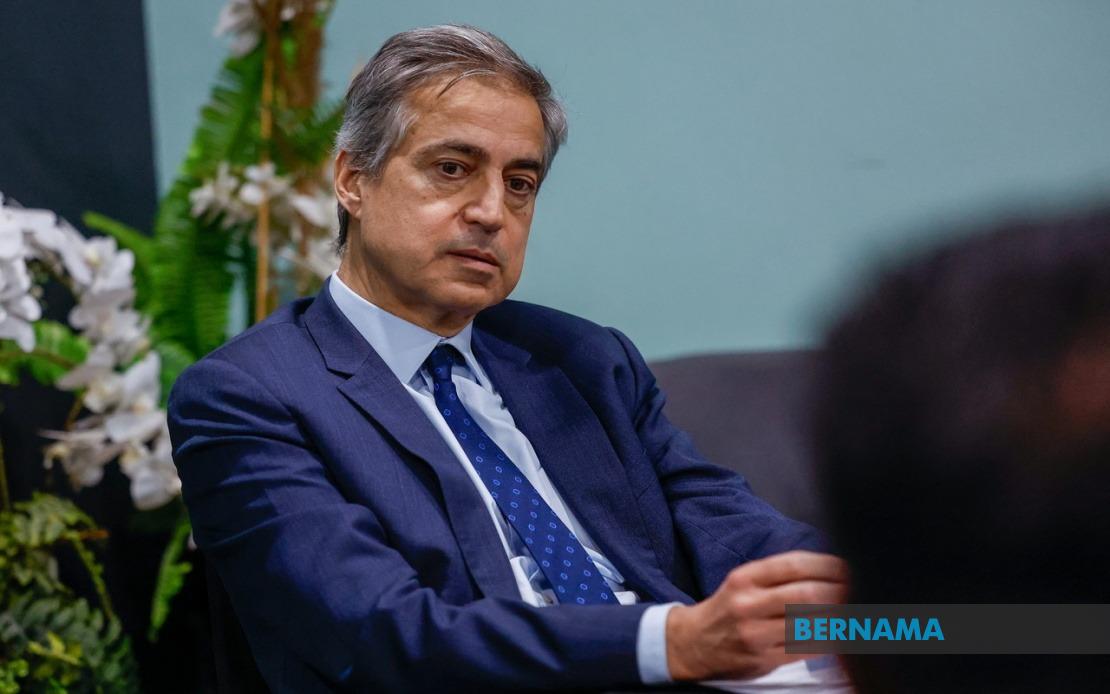
France and Malaysia are committed to deepening their bilateral partnership as both nations work to foster stability and unity amid an increasingly divided global landscape, according to French Ambassador to Malaysia Marc Abensour. Speaking at a French National Day reception hosted at the ambassador's residence in Kuala Lumpur on Tuesday evening, Abensour underscored the strategic importance of the two countries' collaborative efforts in addressing contemporary challenges through constructive dialogue and mutual respect. The remarks came as Malaysia prepares to strengthen its diplomatic footprint across Europe while France seeks to consolidate its influence in Southeast Asia, a region of growing geopolitical significance.
The foundation of the France-Malaysia partnership rests on multifaceted cooperation spanning economic, educational, and cultural domains. Abensour emphasized that these interlocking spheres of engagement have created durable bonds between the two nations, enabling them to navigate shared concerns while pursuing individual national interests. This layered approach to bilateral relations reflects a modern understanding that sustainable partnerships require more than formal governmental agreements; they demand genuine engagement across society and the private sector.
Economic ties between the two countries have expanded notably in recent years. Bilateral trade increased by 11 per cent last year, demonstrating robust commercial momentum. This expansion is particularly significant given global economic headwinds and the shifting patterns of international commerce. The figure suggests that despite tariff pressures and supply chain disruptions affecting many trading relationships, France and Malaysia have managed to grow their commercial exchange through strategic alignment and complementary economic strengths.
French corporate presence in Malaysia remains substantial and continues to generate employment opportunities for local workers. Approximately 600 French companies currently operate across Malaysia, collectively supporting more than 30,000 local jobs. These enterprises span diverse sectors including automotive manufacturing, luxury goods, pharmaceuticals, and professional services. The presence of such a significant French business community reflects confidence in Malaysia's market conditions, regulatory environment, and skilled workforce. For Malaysian workers and businesses, these French companies provide valuable technology transfer, management expertise, and access to international supply chains.
Malaysia's standing within France's broader investment strategy is considerable. The country ranks as the world's 10th-largest destination for French foreign direct investment, a position that underscores its attractiveness to Parisian corporations and institutional investors. This ranking places Malaysia ahead of many developed economies and highlights Southeast Asia's growing importance in French capital allocation strategies. The investment confidence suggests French businesses view Malaysia as a stable, profitable venue for long-term operations and expansion.
Cultural and educational exchanges form another pillar of the France-Malaysia relationship. French language learning has gained traction in Malaysia, with more than 3,700 candidates pursuing French-language certification annually. This places Malaysia third in Asia for French language certification candidates, trailing only India and China by volume. The significance of this metric extends beyond simple linguistic proficiency; language learning often correlates with deeper cultural interest and facilitates people-to-people connections that strengthen diplomatic bonds. Young Malaysians acquiring French language skills represent potential future professionals, academics, and leaders capable of engaging with French institutions and contributing to bilateral understanding.
The reception itself reflected the diplomatic sophistication both nations have cultivated. Held at the ambassador's residence, the event attracted approximately 800 attendees, including senior Malaysian government officials, diplomats, and representatives from numerous countries. Federal Territories Minister Hannah Yeoh served as guest of honour, underscoring the Malaysian government's commitment to the bilateral relationship. The presence of such high-level representation from both nations' political establishments signals mutual respect and acknowledgment of shared interests.
The celebration maintained a careful balance between French and Malaysian cultural traditions. While guests enjoyed authentic French cuisine representing the culinary traditions of France, organizers incorporated a Malaysian durian-tasting booth, symbolically demonstrating how two distinct cultures can coexist and complement each other within a framework of mutual respect. This cultural blending mirrors the broader diplomatic objective: fostering understanding and appreciation across different societies while maintaining distinct national identities.
French National Day, commemorated annually on July 14, carries profound historical significance beyond national borders. The celebration honours the Storming of the Bastille in 1789 and the universal values of liberty, equality, and fraternity that emerged from the French Revolution. By hosting this commemoration in Kuala Lumpur and welcoming Malaysian officials and international guests, France extends an invitation to the global community to reflect on these foundational principles and their contemporary relevance. For Malaysian observers, the occasion provides opportunity to consider how universal democratic values manifest across different cultural and political contexts.
The timing of Abensour's remarks about bridge-building resonates particularly within the current geopolitical context. Southeast Asia faces mounting pressures as great powers compete for influence, regional bloc identities harden, and economic nationalism gains traction. France's explicit commitment to constructing bridges rather than consolidating divides positions it as a voice for multilateral cooperation and inclusive regional engagement. Malaysia, as a middle power with significant regional influence and a non-aligned foreign policy tradition, naturally aligns with this perspective.
Looking forward, the France-Malaysia partnership appears poised for continued development. The economic metrics demonstrate commercial momentum, while the cultural and educational indicators suggest generational commitment to mutual understanding. As both nations confront challenges ranging from climate change to technological disruption, their collaborative framework provides mechanisms for addressing shared concerns. For Malaysia, France offers access to European markets, technological expertise, and diplomatic support within international institutions. For France, Malaysia provides a gateway to Southeast Asia, a region whose economic and political importance will only increase in coming decades.

