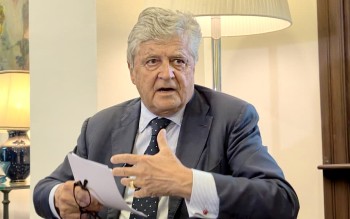
France has extended an offer of technical partnership and expertise to Malaysia should the country choose to incorporate nuclear energy into its future power generation strategy. Nicolas Forissier, the French Minister Delegate for Foreign Trade and Economic Attractiveness, made the overture during his inaugural official visit to Malaysia, emphasising that Paris stands prepared to support any Malaysian initiative aimed at transitioning towards cleaner electricity production. The proposal comes at a critical juncture as Malaysia navigates its energy security and climate commitments, with government officials actively deliberating the merits and feasibility of nuclear energy as a viable component of the national energy portfolio.
Forissier was careful to underscore that the trajectory of Malaysia's nuclear energy development remains entirely within the purview of Malaysian policymakers. The French official acknowledged that Malaysia is still in the exploratory phase, with ongoing national consultations and public discussions needed before any definitive decisions can be made. This measured approach respects Malaysia's sovereignty while keeping the door open for future cooperation, allowing the country to conduct thorough technical, economic, and social assessments without external pressure or predetermined outcomes.
The French government's confidence in offering such assistance stems from its substantial track record in nuclear power generation. France currently derives approximately 60 per cent of its electricity from nuclear installations, with the remainder supplied by renewable energy sources including solar and wind capacity. This energy portfolio positions France as one of Europe's lowest-carbon electricity producers, making it an instructive model for nations seeking to reduce their reliance on fossil fuels whilst maintaining robust energy supply stability. France's decades of operational experience in managing large-scale nuclear programmes, regulatory frameworks, and safety protocols constitute a considerable reservoir of knowledge that could prove invaluable to countries embarking on their own nuclear journeys.
Beyond technical expertise, Forissier emphasised the temporal dimension of nuclear development, stressing that meaningful engagement in civil nuclear energy demands sustained commitment spanning 50 to 80 years. This characterisation underscores the fundamental differences between nuclear projects and shorter-cycle renewable energy installations. Nuclear facilities require not only initial capital investment and construction periods extending many years, but also ongoing operational management, maintenance protocols, regulatory compliance, and eventual decommissioning strategies. For Malaysia, understanding these long-term obligations is essential when evaluating whether nuclear integration aligns with national development objectives and institutional capacity.
Forissier's visit to Kuala Lumpur carried broader strategic significance beyond nuclear discussions. He arrived accompanied by a delegation representing more than 20 French companies, demonstrating substantial private sector appetite for deepening economic ties with Malaysia. This corporate participation signals that French industry views Malaysia as an attractive market and potential partner across multiple sectors, not merely within the energy domain. The composition and size of the delegation reflect calculated confidence in Malaysia's economic prospects and bilateral relationship trajectories.
The French official's mission formed part of an accelerating pattern of high-level diplomatic engagement between Paris and Kuala Lumpur. Recent months have witnessed several significant exchanges, including ministerial conversations between the foreign affairs portfolios of both nations, the Malaysian Defence Minister's March 2025 visit to the French aircraft carrier, and Prime Minister Datuk Seri Anwar Ibrahim's July 2025 visit to France just days before Forissier's arrival in Malaysia. This intensified diplomatic rhythm suggests deliberate efforts by both governments to elevate bilateral relations and explore areas of mutual interest and cooperation.
For Malaysia, the nuclear energy question carries particular relevance given the nation's energy transition imperatives. Southeast Asia's largest economy faces mounting pressure to reduce carbon intensity whilst meeting growing electricity demand from industrialisation and development. The country's current reliance on natural gas and coal-fired generation poses both climate and air quality challenges. Nuclear energy proponents argue that civil nuclear power could provide baseload electricity with minimal carbon emissions, complementing rather than replacing renewable energy expansion. However, nuclear development also requires addressing public concerns about safety, waste management, and decommissioning costs.
The timing of France's overture intersects with global trends reshaping nuclear energy's perceived role in climate mitigation. Several major economies have reassessed nuclear's position within their energy strategies, with some nations extending reactor lifespans and others planning new installations. This renaissance reflects recognition that achieving aggressive carbon reduction targets without nuclear power presents formidable technical and economic challenges. For Malaysia, observing how peer nations manage nuclear integration could inform informed decision-making.
Malaysia's evaluation process must weigh multiple considerations beyond technical feasibility. The nation would need to assess whether nuclear development represents optimal capital allocation compared to accelerated renewable deployment, given rapid advances in solar, wind, and battery storage technologies. Regulatory infrastructure capable of ensuring nuclear safety and public accountability requires substantial institutional development. Furthermore, public acceptance and social licence remain critical factors; successful nuclear programmes typically require transparent communication and genuine community engagement rather than top-down implementation.
Forissier's framing of French readiness without presumption appears carefully calibrated to respect Malaysian autonomy whilst maintaining engagement opportunities. This diplomatic approach allows France to position itself as a preferred partner should Malaysia proceed with nuclear development, whilst acknowledging that domestic deliberations may ultimately yield different conclusions. The emphasis on long-term partnership reflects French strategic interests in establishing enduring relationships rather than pursuing short-term transactional gains.
For Southeast Asia more broadly, Malaysia's nuclear deliberations carry regional implications. The region has largely avoided nuclear power, with existing capacity limited to a few research reactors. If Malaysia moves toward civil nuclear energy, it could catalyse broader regional reconsideration of nuclear's role in climate strategies, potentially opening market opportunities for technology providers and raising questions about regional safety and security frameworks. France's engagement signals broader international interest in Southeast Asian energy transitions and the competitive dynamics shaping technology partnerships in this strategically important region.
The coming months will prove instructive as Malaysia continues its national discussions on nuclear energy. Whether the country ultimately embraces this option will depend on multiple factors: domestic political consensus, cost-benefit analyses, technological confidence, public sentiment, and strategic prioritisation of competing energy investments. France's offer provides a valuable reference point and partnership option, but Malaysia's ultimate path will reflect its distinct circumstances, capacities, and democratic processes.

