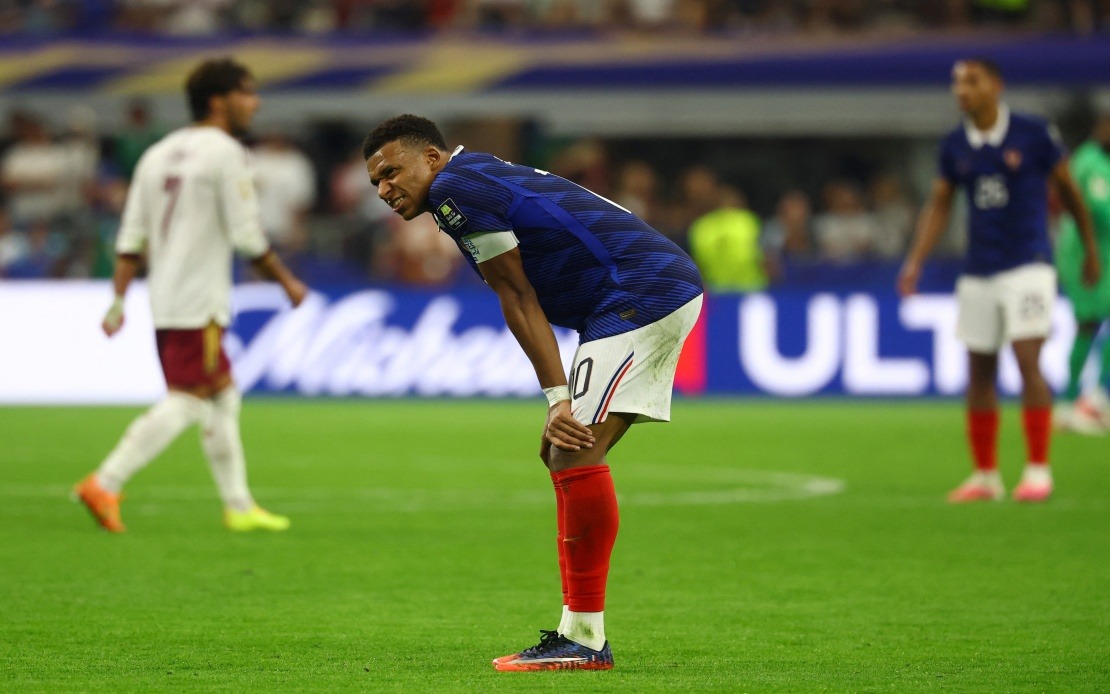
France's hopes of retaining the FIFA World Cup came to an abrupt end on Tuesday evening when Spain decisively defeated the host nation 2-0 in the semifinal, but the sporting disappointment quickly gave way to civil disorder across major French cities. In the aftermath of the match, law enforcement conducted a sweeping series of arrests that saw more than 160 individuals detained, with the bulk of detentions occurring in and around the Paris region, underscoring the intensity of public reaction to the unexpected elimination.
According to figures released by the Paris Police Prefecture, approximately 141 of the total arrests took place across the greater Paris area in direct connection with the post-match turmoil. The incidents unfolded rapidly as news of Spain's victory spread, with scattered groups of supporters becoming increasingly agitated and eventually turning to confrontational tactics against uniformed personnel. The primary charges being pursued against detainees centred on the deployment of firework mortars, which witnesses and law enforcement officials alleged were deliberately discharged in the direction of police officers and emergency responders who had mobilised to manage the crowds.
While the scale of the disorder necessitated significant police mobilisation and resulted in substantial numbers of arrests, authorities were able to contain the situation without documented cases of serious physical harm. The apparent absence of major injuries represented a fortunate outcome given the volatile circumstances and the use of incendiary devices, though such incidents still pose considerable dangers to both civilians and emergency personnel. The restraint shown by security forces in preventing escalation was noteworthy, particularly given the potential for such large-scale public disappointment to spiral into more severe confrontation.
The situation in Lyon, France's third-largest city, followed a similar though slightly less intense pattern. In the lead-up to the semifinal match, several hundred spectators had congregated at Place Bellecour, one of Europe's largest public squares, to watch the encounter on large screens and share in the national moment. When Spain's triumph became apparent, the viewing experience transformed as clusters of individuals began to splinter off from the main gathering, some yielding to frustration and channelling their disappointment into destructive behaviour.
These smaller groups engaged in what police characterised as relatively minor disturbances, hurling various projectiles at law enforcement, with fireworks again featuring prominently among the items used. The intervention of French riot police proved effective in rapidly containing these secondary incidents before they could gain momentum or spread throughout the city centre. Approximately 20 individuals were apprehended in connection with Lyon's disorder, a notably lower figure than Paris but still indicative of the breadth of the negative reaction to the footballing defeat across France's urban centres.
Demographic data released regarding those detained in Lyon revealed that the vast majority of detainees were remarkably young, with birth years ranging from 2002 to 2011, indicating that many were adolescents and individuals in their early twenties. This generational composition offers insight into patterns of public disorder following major sporting disappointments, where younger participants appear particularly prone to engaging in reactive, confrontational behaviour in the immediate aftermath of upsetting results. The youth-skewed arrest profile raises questions about crowd psychology and how expectations surrounding national sporting endeavours can manifest problematically among younger segments of the population.
The Lyon authorities' assessment of the disturbances emphasised the relatively contained nature of the unrest when compared to the scale of disorder in Paris. No injuries were sustained by participants, onlookers, or law enforcement personnel, and the damage to property remained minimal, suggesting that swift police action prevented the situation from deteriorating further. This contrasts somewhat with the Paris situation, where the sheer volume of incidents and the greater number of arrests indicate more widespread and sustained periods of disorder across multiple locations and throughout the evening hours.
The incidents highlight a broader pattern in French sporting culture whereby major defeats, particularly in flagship tournaments such as the World Cup, can trigger significant public backlash and occasional civil unrest. The particular intensity of reaction to Spain's victory may reflect the elevated expectations surrounding France's status as defending champions and hosts, creating psychological investment in a successful campaign that was ultimately unfulfilled. The disappointment was compounded by the manner of the defeat, a relatively comfortable two-goal margin that left little room for hope of a comeback in the second half.
From a security and public order perspective, the events underscore the challenges facing authorities tasked with managing mass gatherings and preventing spirals of disorder following intense emotional moments in national sports. The rapid mobilisation of riot police and the coordinated response across multiple cities prevented what could have potentially escalated into more serious confrontations. However, the sheer number of arrests also raises considerations about proportionate policing responses and the balance between maintaining public order and accommodating legitimate expressions of disappointment and frustration among supporters.
For Malaysian observers and those across Southeast Asia watching these events unfold, the French experience offers a reminder that even wealthy, developed democracies with established security infrastructure face significant challenges in managing the emotional dimensions of international sporting competitions. The incidents also demonstrate how quickly sporting disappointment can translate into confrontational behaviour when large numbers of people gather in disappointment, a phenomenon that resonates across different cultural contexts and societies. The youth-centric nature of the disorder in both cities further underscores debates about young people's engagement with social issues and their propensity toward reactive behaviour during moments of collective national disappointment.

