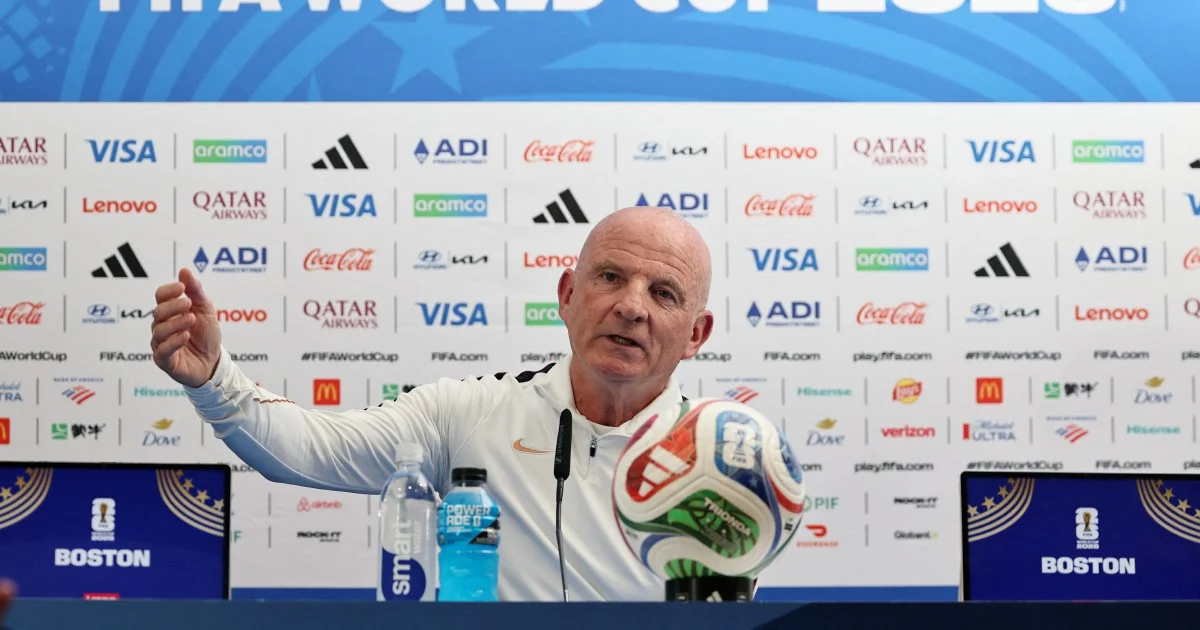
France will chase the top position in their World Cup Group I when they face Norway on Friday, with assistant coach Guy Stephan stressing that securing first place offers substantial practical benefits beyond mere bragging rights. Speaking in Boston on Thursday while standing in for manager Didier Deschamps, who temporarily left the squad to attend his mother's funeral, Stephan outlined how the group's finishing position carries major implications for the team's base and movement throughout the tournament. The 2018 World Cup champions have already guaranteed their passage to the knockout stage and now focus on arranging their tournament logistics in the most efficient manner possible.
The strategic importance of topping Group I stems from the geographical layout of the United States and the locations of the remaining venues. Should France finish first, they would remain headquartered in the Northeastern United States, specifically maintaining their Boston base until the quarter-final stage begins. This arrangement would eliminate the necessity for extended travel across the country and allow the squad to maintain consistency in their training environment, accommodation, and daily routines—factors that typically benefit team cohesion and player recovery. Conversely, a second-place finish would force the French delegation into a radically different logistical arrangement, requiring them to undertake lengthy journeys to multiple southern cities including Dallas, Miami, and Atlanta. Such extensive travel between matches introduces numerous complications for elite athletes seeking to maintain peak physical condition.
Stephan articulated that environmental factors compound the travel concerns, particularly regarding temperature variations across different regions. The cooler climate of the Northeast contrasts sharply with the heat and humidity players would encounter in southern venues, potentially affecting acclimatization and physical performance during crucial knockout matches. The combination of travel burden and climatic adjustment represents a significant advantage for the group winner, something Stephan characterized as decisive enough to warrant targeting victory rather than merely accepting a draw.
France's mathematical position remains fortuitous despite the nominal need to contest Friday's match. Having accumulated six points from two matches, the team holds a superior goal difference compared to Norway, meaning even a draw against the Scandinavian nation would mathematically guarantee first place. This scenario would provide Stephan and his staff an opportunity to rotate squad members and manage player load, given that the result is essentially already determined through superior metrics. However, Stephan's insistence on pursuing victory suggests the coaching staff prefers to avoid complacency and maintain the attacking momentum that characterized their opening performances.
The squad faces some availability challenges heading into this fixture. Central defender William Saliba has been ruled out of contention, forcing the coaching staff to adjust their defensive organization. Additionally, striker Marcus Thuram carries a calf injury that requires careful management, creating uncertainty about whether the player can operate at full capacity. These absences necessitate tactical modifications and place additional responsibility on alternative personnel to maintain France's defensive solidity while preserving attacking threat.
Stephan's comments underscored the reality that qualifying after just two group matches remains a relatively uncommon occurrence at major tournaments, particularly for traditional powerhouses like France. The rapidity with which the team secured their passage reflects the quality of their performance and tactical discipline during the opening phase of the competition. Acknowledging this achievement, Stephan emphasized that the coaching staff and players remain united in their objective to maximize every available advantage, which extends to tournament logistics beyond just on-field performance.
Deschamps' temporary absence is expected to continue through Friday's match, as the funeral represents a priority that supersedes tournament responsibilities. Stephan noted that while the manager maintains telephone contact with the coaching staff, substantial tactical communication would be inappropriate during this personal tragedy. The assistant coach has effectively assumed temporary leadership duties, but all understand that Deschamps will resume full control once personal circumstances permit his return to the squad. This arrangement demonstrates how professional football organizations accommodate human circumstances while maintaining operational continuity.
Norway presents a formidable challenge despite both teams already securing knockout qualification. The Scandinavian nation demonstrated equivalent form during their opening two matches, securing the maximum six points through victories that match France's record. The competitive quality between the nations ensures Friday's fixture will feature determined, attacking football rather than conservative approaches typical of matches where qualification is already secured. Norway's motivation to claim the group winner's benefits parallels France's objectives, creating mutual incentive for an entertaining and competitive match.
From a Southeast Asian perspective, the tournament's logistics underscore how venue distribution across vast geographical spaces creates material advantages for teams fortunate enough to finish in advantageous positions. This principle carries relevance for regional tournaments where travel distances, climatic conditions, and accommodation consistency affect performance outcomes. The French example demonstrates how administrative and environmental factors frequently determine success as much as purely tactical considerations, a lesson applicable to tournament organization throughout the Asian football landscape.

