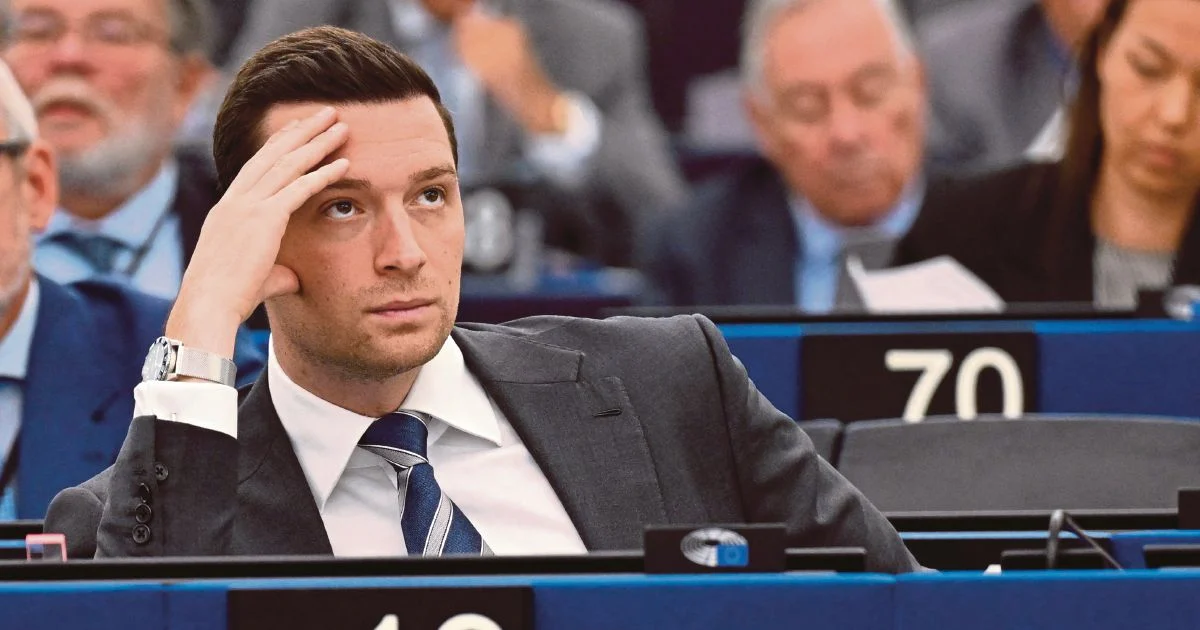
An anti-corruption watchdog in France has called for an official investigation into allegations surrounding Jordan Bardella, France's prominent far-right politician and presumed presidential hopeful, over claims he once occupied a fictitious assistant position within the European Parliament. The development represents a significant blow to Bardella's political standing as he prepares for a potential presidential bid, threatening to undermine the clean-governance narrative his party has tried to establish. Bardella's camp has categorically rejected the accusations, framing them as a politically motivated attack designed to damage his candidacy.
The corruption investigation adds another layer of complexity to French politics at a time when the far-right National Rally party has been positioning itself as an alternative force capable of addressing citizen concerns about governance and institutional integrity. These allegations threaten to expose potential hypocrisy, given the party's positioning around ethical governance and opposition to what it characterizes as establishment corruption. The timing of the watchdog's statement has prompted speculation about whether such probes might influence voter sentiment, particularly among constituencies prioritizing clean administration and institutional accountability.
The alleged fake job arrangement would have occurred within the European Parliament framework, an institution where member states regularly deploy parliamentary assistants and support staff. The structure of such positions—typically involving advisors, researchers, and administrative personnel supporting MEPs—creates both legitimate roles and potential opportunities for misuse. If substantiated, allegations of holding a phantom position would constitute misappropriation of public resources and represent a serious breach of parliamentary protocols that govern employment practices across EU institutions.
European Parliament employment regulations have undergone considerable scrutiny in recent years, with multiple investigations revealing financial irregularities and questionable hiring practices. The institution has implemented reforms attempting to strengthen oversight mechanisms and prevent abuse of assistant positions, though critics argue enforcement mechanisms remain inadequate. Against this backdrop, Bardella's situation reflects broader concerns about accountability within European institutions and the potential for positions to be weaponized for personal or political advantage rather than serving legitimate parliamentary functions.
The National Rally's response strategy has focused on dismissing the allegations as baseless persecution aimed at undermining the party's electoral prospects. This defensive posture mirrors similar confrontations the party has experienced with French institutional authorities in recent years, creating a narrative pattern where the far-right movement positions itself against what it characterizes as hostile establishment forces. Such framing resonates with core supporters who view the political system as inherently corrupt and biased against anti-establishment movements seeking to challenge existing power structures.
For Malaysian and broader Southeast Asian observers, the Bardella situation illustrates how far-right movements across developed democracies navigate corruption allegations and institutional accountability mechanisms. The case demonstrates that governance challenges are not confined to developing nations and reflects how even established Western institutions struggle with oversight and transparency. Furthermore, it reveals how populist politicians elsewhere in the world utilize similar rhetorical strategies—dismissing investigations as politically motivated—when facing scrutiny over institutional practices.
The investigation's trajectory will likely influence French political dynamics significantly, particularly if additional evidence emerges substantiating the allegations. The far-right movement in France has built considerable momentum, with rising electoral support in recent legislative contests and presidential polling. Any concrete findings against Bardella could impact both his personal viability as a candidate and the broader party's credibility, potentially affecting the calculated political strategy the National Rally has developed for upcoming electoral cycles.
European Parliament authorities will presumably cooperate with French investigative bodies examining employment records and payment histories that might confirm or refute claims of a phantom assistant position. Such investigations typically require extensive documentary evidence, witness testimonies, and financial trail analysis to establish whether funds allocated for assistant positions were actually disbursed for genuine work performed. The institutional frameworks governing such investigations, while necessarily complex, determine both the investigation's credibility and its ultimate impact on political actors under scrutiny.
The broader implications extend to questions about how European institutions hold member state politicians accountable for potential misconduct occurring within their jurisdictional structures. The case also reflects ongoing tensions between national political movements and supranational European governance frameworks, with investigations viewed through competing lenses of institutional legitimacy and partisan calculation.
As the investigation proceeds, attention will focus on whether evidence substantiates the watchdog's concerns or whether, as Bardella's party contends, the allegations constitute unfounded accusations. Either outcome carries significant consequences for French political discourse and perceptions of institutional integrity within European governance structures, with implications reverberating across regions watching how developed democracies manage corruption allegations against prominent political figures.

