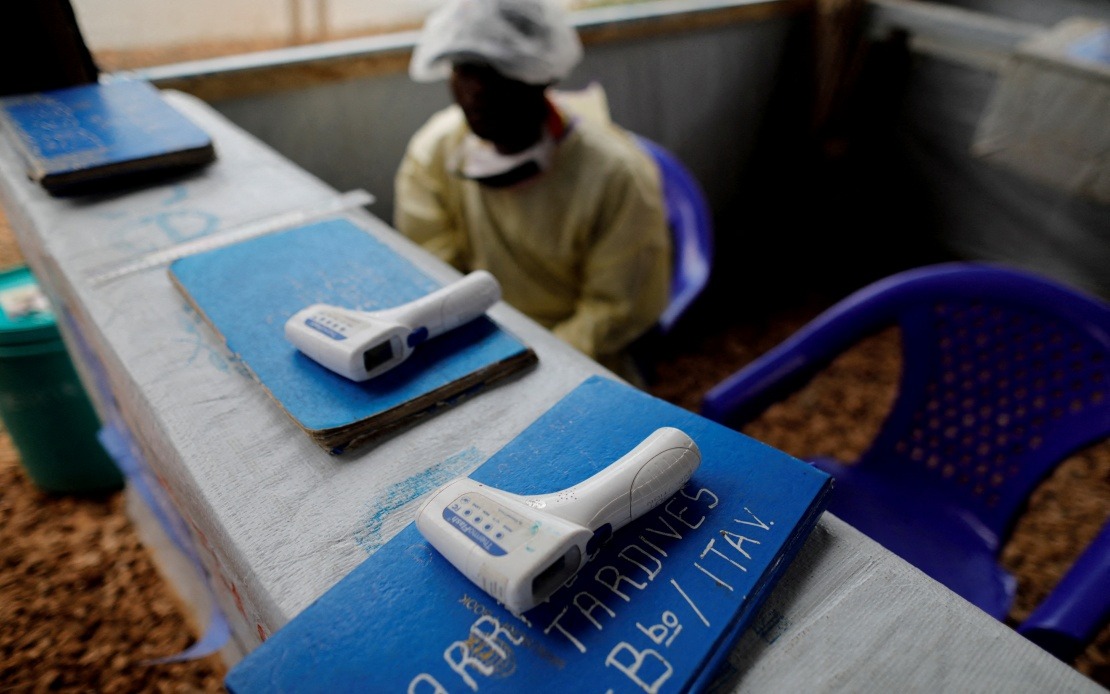
France has achieved a significant milestone in its handling of the Ebola crisis by successfully treating and discharging the country's first patient diagnosed with the virus on French soil. Health Minister Stéphanie Rist confirmed the recovery on Friday, marking a positive outcome amid the broader health emergency unfolding across Central Africa. The announcement comes as the Democratic Republic of the Congo continues to grapple with a severe outbreak that has claimed hundreds of lives.
The patient, a physician dedicated to humanitarian medical work, had recently returned to France on June 23 after spending time in the Democratic Republic of the Congo, where he contracted the infection. Upon arrival, the individual was placed under rigorous medical supervision at a French hospital, where medical teams monitored his condition closely for any signs of disease progression. The careful observation and prompt intervention appear to have been instrumental in achieving a favourable outcome, demonstrating the effectiveness of early detection and isolation protocols when combined with appropriate clinical care.
One of the critical factors in this case was that the patient did not develop severe manifestations of the disease, which significantly improved his prognosis and facilitated his early discharge. The relatively mild course of illness allowed him to recover sufficiently to leave hospital care and convalesce at home under continued monitoring. This outcome underscores the variable nature of Ebola presentations and the importance of supportive medical care in enabling recovery even among individuals infected with this historically lethal pathogen.
The Democratic Republic of the Congo's ongoing Ebola outbreak, which commenced on May 15, represents one of the most serious public health emergencies facing the region. Government statistics paint a grim picture of the epidemic's toll, with 438 confirmed deaths among 1,502 documented cases. These figures highlight the devastating impact the virus continues to exert on affected communities, overwhelming healthcare systems and placing enormous strain on both medical personnel and local populations.
The emergence of this case in France raises important questions about disease surveillance and border health protocols. While France's robust healthcare infrastructure and advanced diagnostic capabilities enabled swift identification and containment of the imported case, the incident demonstrates the ease with which infectious diseases can traverse international boundaries in an interconnected world. The fact that the patient was a healthcare worker returning from high-risk regions underscores the particular vulnerability of medical professionals who venture into outbreak zones to provide humanitarian assistance.
From a Southeast Asian perspective, this development carries several implications. The region remains acutely aware of the threat posed by emerging infectious diseases, having experienced previous outbreaks and pandemics that have tested public health systems. The successful French outcome provides reassurance that with adequate medical infrastructure, prompt diagnosis, and proper infection control measures, even serious viral haemorrhagic fevers can be managed effectively. However, it also serves as a reminder of the importance of maintaining vigilant surveillance systems and coordinating regional responses to potential disease importation.
The humanitarian doctor's recovery also highlights the dedication of medical professionals who voluntarily expose themselves to serious health risks to assist vulnerable populations in resource-limited settings. Such individuals play a crucial role in responding to global health emergencies, yet they simultaneously represent potential vectors for disease transmission across borders if proper precautions are not observed during and after deployment. The careful management of this case demonstrates how returning healthcare workers should be monitored, quarantined when necessary, and provided with immediate access to advanced diagnostic and treatment services.
France's healthcare system has been instrumental in translating clinical knowledge into practical outcomes. The country's infectious disease facilities, staffed by experienced specialists and equipped with modern diagnostic and therapeutic technologies, provided the foundation for successful management of this case. This capability gap between wealthy nations and outbreak-affected regions in Central Africa underscores the persistent inequalities in global health infrastructure and the need for sustained international investment in building healthcare capacity in vulnerable regions.
Looking forward, the case offers important lessons for pandemic preparedness across the international community. Early identification through robust surveillance networks, rapid isolation of suspected cases, and prompt provision of supportive care form the cornerstone of effective disease management. The French experience, combined with ongoing efforts by international health organizations and African nations themselves, contributes to an evolving knowledge base that enhances global capacity to respond to future Ebola outbreaks or other emerging infectious threats that may arise.

