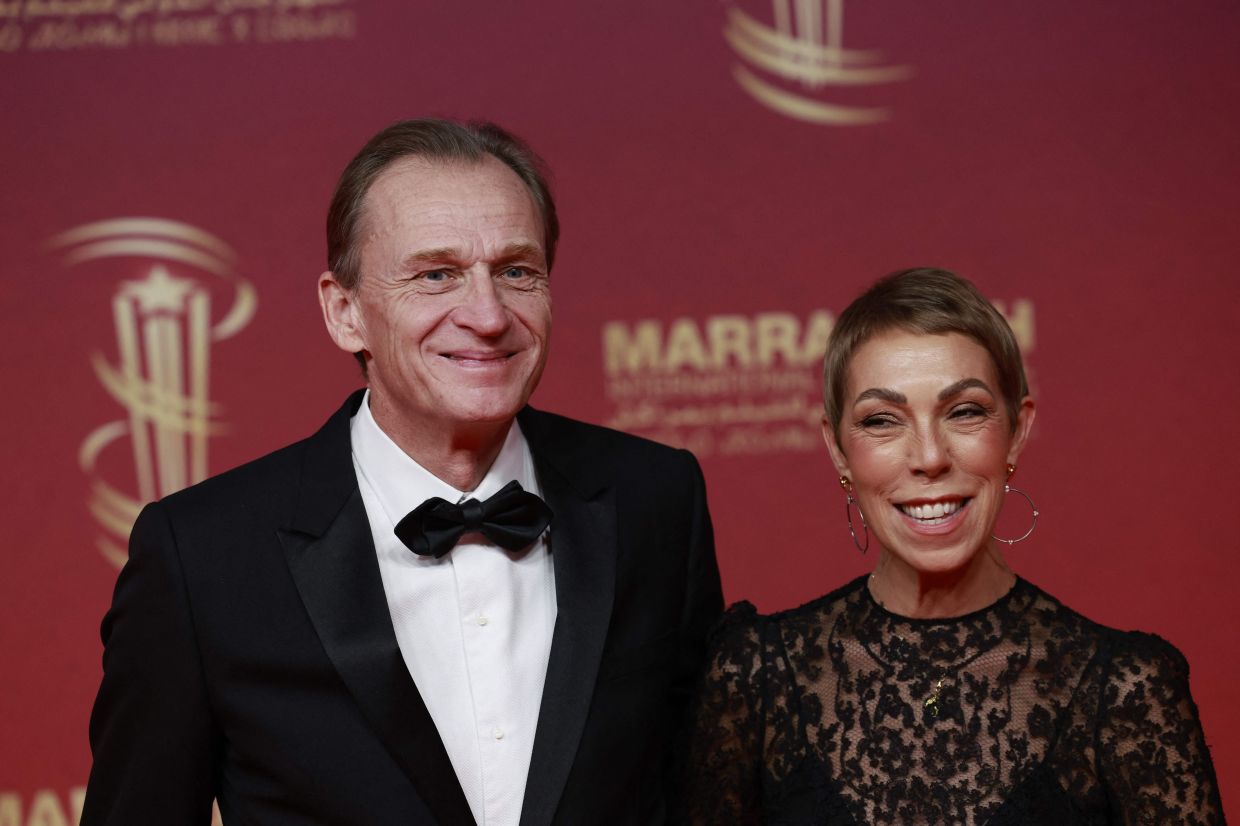
The French entertainment and luxury sectors mourned the loss of two prominent figures this week following a fatal traffic accident in western France. Nicolas Altmayer, a 61-year-old film producer renowned for his work in cinema, and Mathilde Favier, 57, who served as head of public relations for the storied fashion house Dior, were killed when their car struck an oncoming truck on Monday afternoon. The collision occurred in the Deux-Sèvres department as the couple attempted to overtake another vehicle on the road. Nicolas Leclainche, deputy public prosecutor in Niort, confirmed the circumstances of the tragedy to local authorities and media outlets on Tuesday.
Altmayer's career spanned decades of French filmmaking, establishing himself as a creative force capable of navigating between commercial appeal and artistic merit. Together with his brother Eric, he founded and led Mandarin & Compagnie, a production company that became known for its distinctive approach to storytelling. The partnership between the brothers yielded several notable projects that captured the imagination of French audiences, though they remained less internationally visible than some of their contemporaries. In 2017, both brothers received the Daniel Toscan du Plantier Prize, France's equivalent to the Academy Award for best producer, reflecting the industry's recognition of their sustained contributions to French cinema.
Favier's professional trajectory took her to one of the world's most prestigious luxury brands at the apex of the fashion industry. As head of public relations for Dior, she occupied a position of considerable influence and responsibility, managing communications for a house with global reach and centuries of heritage. Her role encompassed not merely the dissemination of information but the cultivation of Dior's narrative and brand identity across multiple markets and audiences. The luxury sector, particularly at the level of major conglomerates, demands experienced communicators capable of balancing tradition with innovation, exclusivity with accessibility.
The couple's death reverberated across interconnected networks of creative professionals, business leaders, and cultural figures in France. Messages of condolence flooded from colleagues and collaborators who had worked alongside Altmayer throughout his producing career, as well as from those who had crossed paths with Favier in the rarefied circles of luxury brand management. The outpouring reflected not merely formal expressions of sympathy but genuine personal relationships forged through years of professional collaboration and mutual respect within France's creative industries.
Jean Dujardin, the Oscar-winning French actor whose career has benefited from quality productions, issued a poignant tribute emphasising the personal dimension of the loss beyond their professional accomplishments. His words captured the warmth and affection that characterised their relationships within the industry, suggesting that both individuals commanded respect not simply for their professional acumen but for their personal qualities and the way they conducted their lives and relationships. The actor's statement underscored that their deaths represented a loss to those who knew them intimately, not merely to the industries they served.
Catherine Pegard, France's Culture Minister, provided an official governmental perspective on Altmayer's contributions to French cinema and culture more broadly. In her assessment, Altmayer represented a particular archetype of French producer: one capable of bridging seemingly contradictory impulses in cinema, namely the commercial demands of popular entertainment and the artistic aspirations of auteur-driven filmmaking. This capacity to synthesise accessibility with creative ambition characterises the most successful French producers and distinguishes them within the European film landscape. Such versatility enabled Altmayer to maintain relevance across shifting tastes and industry conditions over his lengthy career.
Pegard extended her remarks to acknowledge Favier's role in representing French excellence within the global luxury sector. The minister's statement positioned Favier within a broader narrative of French cultural and economic influence, recognising that the nation's soft power extends beyond cinema, literature, and visual arts into the domains of fashion and luxury goods. Favier's stewardship of Dior's public relations constituted, in this framework, a form of cultural diplomacy and economic significance intertwined with national prestige.
Bernard Arnault, the billionaire magnate who leads LVMH Moët Hennessy Louis Vuitton, the conglomerate that owns Dior among numerous other brands, memorialised Favier through the brand's official Instagram account. His tribute emphasised the years she invested in advancing Dior's interests and profile, characterising her work as an expression of personal commitment and professional excellence. Arnault's acknowledgement, emanating from the apex of the luxury goods industry, carried weight in validating Favier's professional standing and the significance of her role within one of the world's most valuable fashion enterprises. The public nature of his tribute underscored Dior's acknowledgement of losing a key institutional figure.
For Malaysian and Southeast Asian observers, the incident illuminates the interconnectedness of global creative and commercial industries, where French producers and luxury brand executives wield considerable influence shaping global tastes and consumer behaviour. The loss of such figures, whether in film production or luxury brand management, reverberates through international networks affecting project development, strategic direction, and industry relationships that extend beyond France into markets throughout Asia and beyond. The specialised expertise and established relationships that individuals like Altmayer and Favier cultivated over decades cannot be quickly replicated, creating genuine disruptions within their respective sectors.
The tragic circumstances also remind observers of the human vulnerabilities that persist regardless of professional achievement or socioeconomic status. Despite their prominence and success, neither individual's status could protect them from the randomness of fatal accidents. The simultaneous loss of a couple engaged in complementary creative and commercial pursuits—film production and luxury brand management—eliminated not merely individual talents but also the synergies and partnership that characterised their professional relationship.

