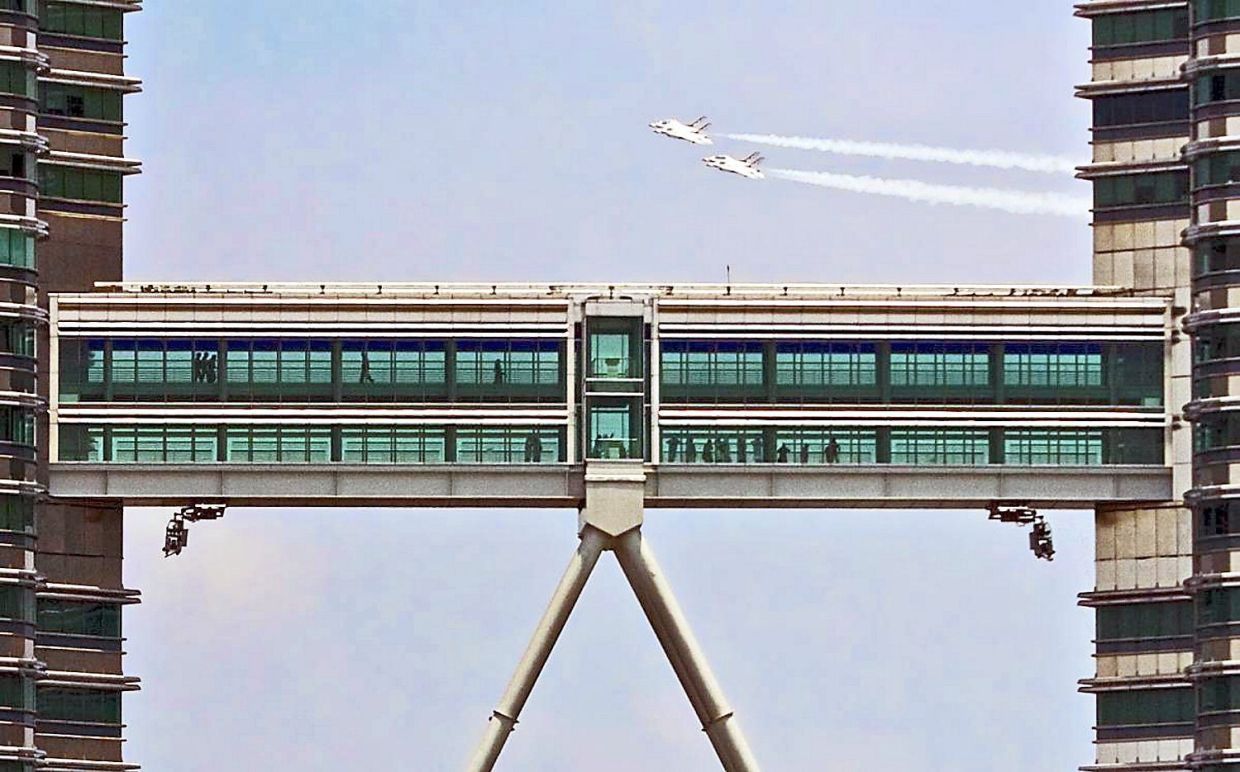
Every morning, queues form beneath the PETRONAS Twin Towers as visitors await their turn to traverse the iconic Skybridge, one of the world's most recognisable structures. With groups of 42 admitted every 15 minutes, the towers can welcome more than 2,000 visitors daily—a steady stream of revenue that extends far beyond the traditional office leasing model. The twin towers exemplify how Malaysian landmarks are undergoing a fundamental transformation, evolving from purely functional commercial spaces into experiential destinations that generate multiple revenue streams simultaneously.
Historically, property developers built office towers, hotels, retail malls and residential blocks to be leased or sold for occupancy-based income. The business model was straightforward: maximise occupancy rates, maintain tenant satisfaction, and preserve asset value. Once a project achieved financial close, the developer's involvement typically ended, with property managers assuming operational duties. Today's leading developers are pursuing a fundamentally different approach, recognising that the buildings themselves—their vistas, their architecture, their symbolic value—represent untapped revenue potential. This represents not merely a new amenity layer but a wholesale reimagining of how developers view and monetise completed assets.
The PETRONAS Twin Towers stand as Malaysia's preeminent example of this transformation. What was originally conceived and built as office accommodation now functions as a potent tourism engine, with visitors paying to access the Skybridge and observation decks, purchasing merchandise, capturing photographs, and spending across the broader KLCC ecosystem. The strategy has proven so effective that these attractions now rank among the building's most valuable revenue generators. This success did not emerge from deliberate planning alone; rather, it reflects how the structure's iconic status organically attracted visitor interest, which forward-thinking operators then capitalised upon. KL Tower similarly demonstrates the principle, having long combined its primary telecommunications infrastructure role with tourism revenue through its observation deck, Sky Box, and Tower Walk offerings.
What distinguishes current practice from historical precedent is scale and strategic intentionality. Developers now approach experience-based amenities not as secondary features or post-construction adaptations but as core components of the original asset strategy. Merdeka 118, Malaysia's tallest building, exemplifies this philosophy. Its planned observation facilities and Spire Climb experience have been integrated into the development concept from inception, positioning the structure simultaneously as a functional commercial tower and as a branded tourism product. This mirrors approaches adopted in major global cities—New York, Dubai, Singapore—where access to landmark building summits has become a ticketed attraction commanding significant commercial importance.
The psychology underpinning visitor spending on these experiences runs deeper than simple sightseeing. A visitor purchasing access to climb or traverse a tower is not merely purchasing an elevated perspective; they are acquiring exclusivity, an adrenaline response, and social currency—the ability to claim participation in a noteworthy experience. This distinction carries material business implications. Experience-based attractions typically command higher profit margins than conventional property leasing arrangements, particularly when operators implement tiered pricing structures. New York's Edge features glass-floored sections and outdoor decks, while the Burj Khalifa in Dubai and Marina Bay Sands SkyPark in Singapore have evolved into major tourism enterprises generating revenue through multiple channels: tiered admission pricing, premium access packages, merchandise sales, photography services, and food and beverage offerings.
Not all experience-generating facilities require direct admission charges. The Exchange TRX demonstrates an alternative model through its complimentary rooftop park, which generates value indirectly by attracting visitors who remain longer and consequently spend across retail, dining, and other tenant operations. Extended dwell time in retail environments correlates directly with increased spending. A family spending an additional hour at a rooftop park exhibits higher propensity to purchase coffee, consume meals, or make unplanned purchases. This indirect monetisation strategy strengthens mall performance and tenant appeal, ultimately supporting rental rates. The calculation has consequently shifted from pure rental per square foot toward aggregate visitor attraction, duration of stay, and aggregate spending per visitor.
This reorientation fundamentally alters how developers and asset managers evaluate building performance. A rooftop park supports retail sales velocity. An observation deck generates recurring tourism income streams independent of occupancy cycles. A signature attraction strengthens brand equity and increases demand for office and retail tenancy from operators seeking premium locations. Consultants now reference this approach as experience-led real estate, where placemaking functions not merely as urban design philosophy but as deliberate commercial strategy. As Malaysian cities intensify competition for premium tenants and retail operators, distinctive differentiation becomes increasingly critical. Office tenants possess multiple alternatives; retail spending patterns have become fragmented; new mixed-use developments continuously enter competitive markets. A memorable, distinctive attraction provides competitive insulation—something not easily replicated by competitor buildings.
These attractions deliver substantial marketing value distinct from direct admission revenue. Visitors documenting skyline photography, rooftop selfies, and climbing challenges effectively function as unpaid marketing agents, disseminating content through social media channels. In contemporary consumer behaviour, such exposure influences travel decisions and commercial choices. A striking architectural photograph or video gaining organic social distribution represents measurable commercial value that traditional marketing budgets struggle to purchase cost-effectively. The development becomes embedded in digital culture and travel consciousness.
Implementing this strategy entails substantial operational complexity and capital investment. Dedicated lift systems, security screening infrastructure, specialist staffing, comprehensive insurance provisions, and continuous maintenance represent ongoing financial obligations. Crowd management presents daily operational challenges, particularly for high-profile landmarks attracting substantial visitor volumes. Weather patterns, peak season fluctuations, and security requirements add operational layers absent from conventional tenanted space. These operational realities mean success requires not merely architectural distinction but disciplined execution and sustained operational investment. Yet for developments capturing market demand and delivering memorable experiences, the financial returns justify the complexity and ongoing expense.

