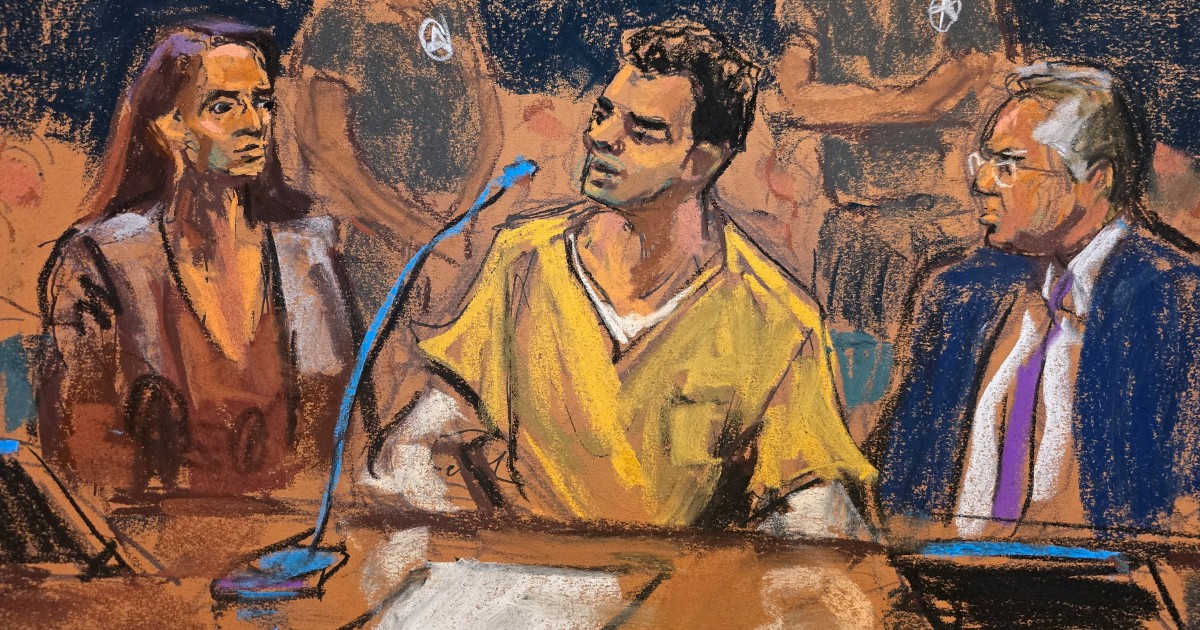
A man accused of killing a prominent United States health insurance executive has admitted to the crime in court, simultaneously using the legal proceedings as a platform to articulate his grievances with the American healthcare system. The defendant, Luigi Mangione, attributed his violent actions partly to a long-standing back injury he has endured, framing his alleged motive as an effort to address systemic problems he believed plagued the broader health sector and disadvantaged ordinary patients.
Mangione's courtroom statement represents a striking transformation in how the case is being understood by observers both within America and internationally. What began as a high-profile investigation into the fatal shooting has evolved into a broader conversation about healthcare access, insurance denial practices, and the accumulating frustrations many citizens harbour toward corporate medical institutions. The defendant's willingness to articulate ideological justifications for his alleged actions has intensified public scrutiny of his background and the factors that may have shaped his worldview.
The healthcare insurance industry in the United States operates within a distinctly different framework than systems familiar to Malaysian readers, where government-provided coverage and subsidised treatment remain dominant. The American model relies heavily on private insurers who frequently deny or delay payment for treatments deemed unnecessary or experimental, leaving patients with substantial out-of-pocket expenses. These denial practices have become increasingly controversial, with consumer advocates and medical professionals criticising insurers for prioritising profit margins over patient outcomes.
Mangione's background as a "normal guy," according to those who knew him, underscores how personal health crises and financial hardship can reshape an individual's perspective on societal institutions. His chronic back condition, if indeed severe as suggested, would have subjected him to the frustrating experience of navigating insurance approval processes while managing debilitating pain. The inability to access desired or necessary treatments can breed profound resentment, particularly among individuals already predisposed to questioning institutional fairness.
The strategic targeting of an insurance executive suggests the defendant's grievance extended beyond abstract institutional complaint into specific identification of individuals he viewed as culpable. This calculated selectivity distinguishes his alleged actions from random violence and indicates premeditated ideological motivation. Whether prosecutors ultimately accept or contest his framing, Mangione's own articulation of motive will influence how the case resonates with the American public and shapes ongoing debates about healthcare reform.
For Southeast Asian observers, particularly those in Malaysia, the case illuminates a fundamentally different healthcare landscape. While Malaysian patients certainly experience frustrations with the private insurance sector and public healthcare capacity limitations, the extreme financial consequences and systemic exclusions characteristic of American insurance disputes remain largely foreign. The relative universality of Malaysia's healthcare access, despite acknowledged quality and efficiency challenges, provides a degree of protection against the desperation that can accompany American medical crises.
Mangione's invocation of wanting to "make health care work better for everyone" presents his alleged crime as potentially serving a greater purpose beyond personal revenge. This rhetoric resonates with a particular strain of populist critique that frames violence against corporate figures as justified resistance against exploitative systems. Whether courts ultimately treat such motivations as mitigating factors or irrelevant to culpability remains uncertain, but the framing already influences public perception and sympathy.
The case has catalysed discussions about healthcare policy across the American political spectrum. Progressive advocates have seized upon Mangione's stated grievances to reiterate calls for systemic reform, including potentially moving toward single-payer healthcare models that would eliminate private insurance intermediaries. Conservative commentators, conversely, have emphasised personal responsibility and questioned whether ideological complaints can excuse violent crime, regardless of their underlying validity.
Mangione's legal team and prosecutors will likely contest the interpretation of his motivations throughout trial proceedings. Defense arguments may emphasise the psychological toll of chronic pain and healthcare system failures, while prosecution may focus on the premeditated nature of the alleged shooting and the unjustifiable resort to violence. The courtroom battle over narrative interpretation will substantially influence his sentence if convicted.
The broader implications for the United States healthcare debate remain significant. Rather than resolving long-standing insurance industry criticisms, the case has intensified them by demonstrating the depths of public dissatisfaction. Insurance companies themselves may face renewed scrutiny regarding denial practices and executive compensation, even if direct correlation between systemic failures and one individual's violent response remains ethically and logically debatable.
As the case proceeds through the American legal system, Malaysian audiences might observe it partly as a cautionary tale about healthcare system design. The choices societies make regarding who bears medical costs and how insurance intermediaries function shape not merely individual patient outcomes but broader social stability and public trust in institutions. While violence is never justified response to policy disagreement, the underlying frustrations Mangione articulated reflect genuine systemic tensions within American healthcare that demand serious attention.

