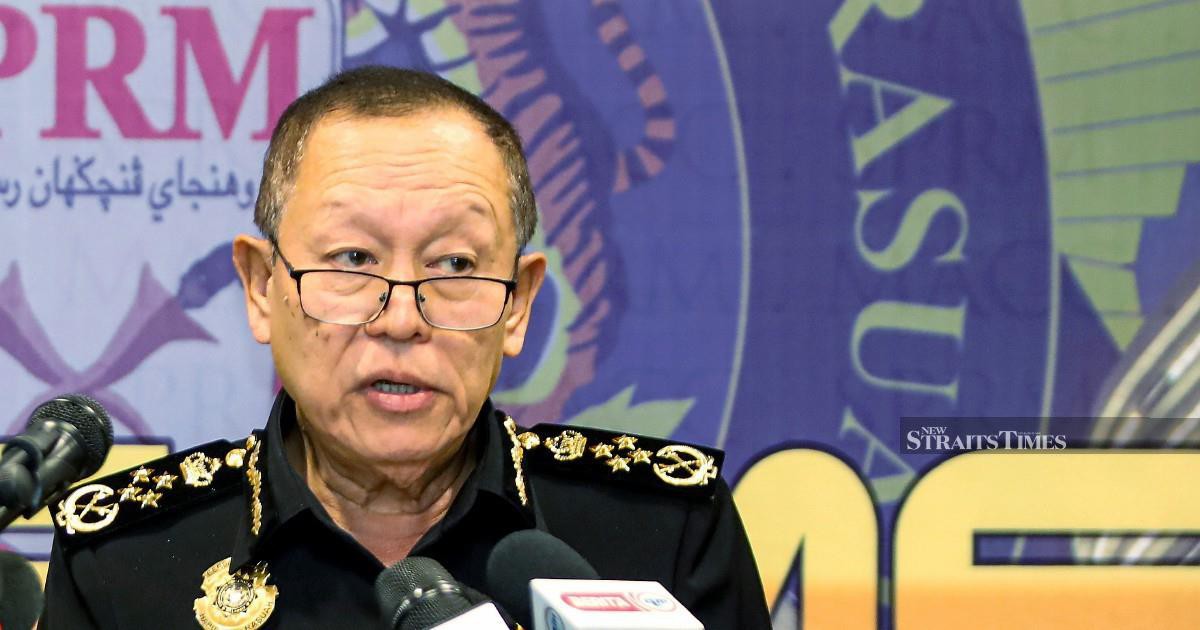
The Malaysian Anti-Corruption Commission has uncovered evidence suggesting that an extensive frozen chicken import syndicate has maintained operations for roughly two decades, prompting a comprehensive investigation codenamed Operation Chick. This discovery represents a significant breach in Malaysia's food import controls and raises troubling questions about the scale of potential corruption within customs and agricultural regulatory agencies.
The investigation, anchored in Kuching, indicates that the smuggling operation may have commenced around 2006, meaning the network has persisted through multiple administrations and evolving regulatory frameworks. Such longevity suggests the syndicate developed sophisticated methods to evade detection, likely involving collusion with officials at various checkpoints and government agencies responsible for verifying import documentation and food safety standards.
For Malaysian consumers, the implications are substantial. Illegal frozen chicken imports circumvent mandatory health inspections, quarantine protocols, and traceability requirements that protect public health. Without proper certification, these products may originate from facilities with questionable sanitation standards or disease control measures, potentially exposing families to foodborne pathogens and contaminated meat. The absence of transparent sourcing information also prevents consumers from making informed purchasing decisions about the origin and safety of their food.
The existence of such a long-running scheme underscores systemic vulnerabilities in Malaysia's border security and agricultural oversight mechanisms. For nearly two decades, the network apparently operated with sufficient impunity to justify sustained investment and expansion, suggesting that enforcement agencies either lacked resources, faced structural corruption, or failed to coordinate effectively. This pattern indicates deeper institutional problems requiring comprehensive reform beyond isolated prosecutions.
From an economic perspective, the illegal imports constitute unfair competition against legitimate frozen chicken importers and domestic poultry producers who comply with expensive certification and safety requirements. Malaysian chicken farmers and authorized traders operate under strict regulatory burdens and costs that underground syndicates avoid entirely, distorting market competition and undermining legitimate businesses that maintain higher standards. Operation Chick therefore protects not only consumer safety but also the viability of compliant industry participants.
Regional food security considerations amplify the significance of this investigation. Southeast Asia's integrated supply chains mean that contaminated or mislabeled products can cross borders rapidly, potentially affecting neighboring countries including Singapore, Thailand, and Indonesia. Malaysia's role as a regional hub for food distribution means that inadequate import controls create risks extending beyond national boundaries. Tighter enforcement benefits the entire region by establishing credible safety standards across ASEAN markets.
The timing of Operation Chick's public revelation suggests MACC has gathered sufficient evidence to initiate prosecutions and asset seizures. Preliminary enforcement actions typically precede public announcements to prevent suspects from destroying evidence or relocating contraband. The investigation likely involves financial forensics tracing money flows between importers, logistics operators, corrupt officials, and network coordinators. Such complex investigations require sustained cooperation between MACC, Royal Malaysian Customs, the Department of Veterinary Services, and port authorities.
The discovery parallels historical cases of systematic regulatory capture where organized smuggling networks establish sustained relationships with officials through payment schemes, blackmail, or infiltration. The twenty-year operational window suggests the syndicate achieved sufficient integration within government systems to anticipate inspections, manipulate documentation, and neutralize potential whistleblowers. Dismantling such networks requires not only arresting individuals but also restructuring procedures, rotating personnel, and implementing technological safeguards.
For policymakers, Operation Chick demonstrates the necessity of modernizing food import verification systems. Malaysia should accelerate adoption of blockchain-based supply chain tracking, DNA testing for meat authenticity, and real-time surveillance at ports. Intelligence sharing between customs, law enforcement, and health agencies must improve to identify suspicious patterns earlier. International cooperation through ASEAN regulatory frameworks can establish reciprocal enforcement mechanisms that make cross-border smuggling increasingly difficult.
The investigation also highlights the broader challenge of combating corruption within regulatory agencies tasked with protecting public interests. Officials accepting bribes to overlook illegal imports gain comparatively modest financial rewards while endangering millions of citizens. This disparity requires cultural and institutional change emphasizing professional integrity and the consequences of complicity in health and safety violations. Training programs, ethical standards, and accountability systems must reinforce that officials serve public welfare, not private networks.
Moving forward, Operation Chick's success or failure will signal Malaysia's commitment to food security and regulatory reform. Comprehensive prosecutions, substantial penalties, and visible asset forfeiture demonstrate serious intent. Conversely, if investigations stall or result in minor punishments, confidence in the food system will erode further. The investigation represents both an opportunity to cleanse regulatory institutions and a test of Malaysia's capacity to address entrenched corruption threatening public health.

