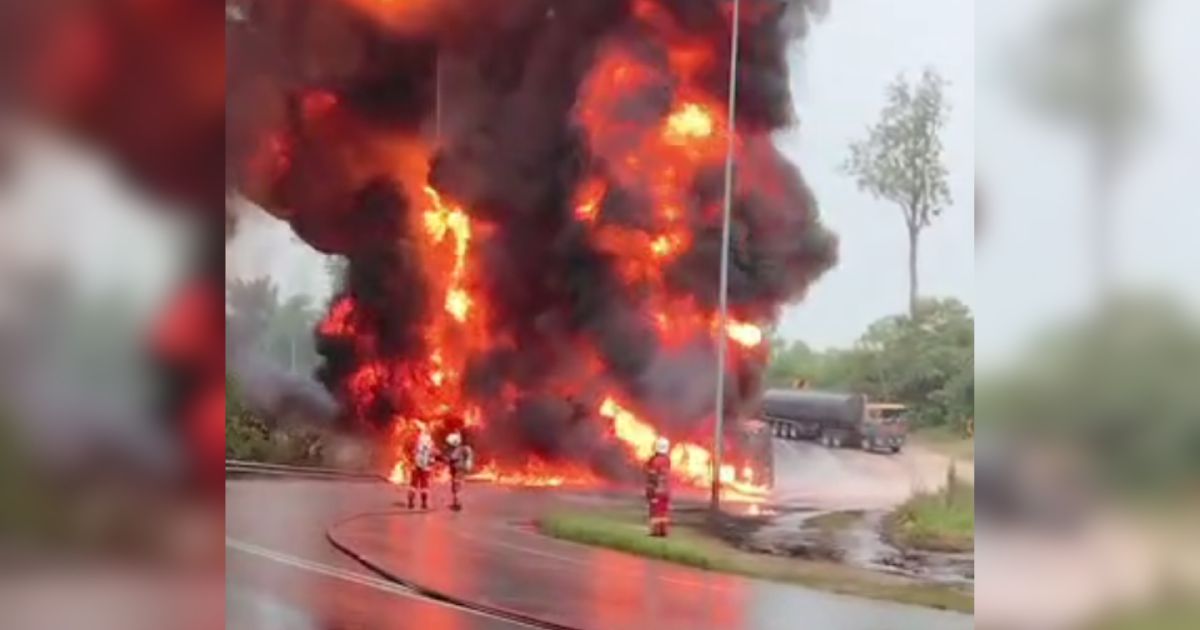
A fuel tanker driver has been held in police custody for four days to assist investigators following a deadly road collision on the Temerloh-Triang highway. The crash, which occurred at Km9 of Jalan Temerloh-Triang near Kampung Lebak, resulted in the deaths of a mother and her son. The incident marks another tragedy on Malaysia's increasingly congested roadways, where heavy vehicle accidents continue to pose significant dangers to motorists.
The remand order reflects the severity of the collision and the need for authorities to conduct a thorough investigation into the circumstances surrounding the accident. Police have detained the tanker operator to examine various aspects of the incident, including whether mechanical failure, driver fatigue, road conditions, or human error contributed to the crash. Such detailed questioning in the immediate aftermath of a fatal accident is standard procedure, allowing investigators to preserve evidence and gather statements while details remain fresh.
Heavy vehicle operators on major trunk routes like the Temerloh-Triang corridor face considerable pressure from tight scheduling and delivery deadlines, raising concerns about whether drivers receive adequate rest periods. The four-day remand period will enable authorities to review the driver's logbook, assess vehicle maintenance records, and interview witnesses who may have observed the collision or the vehicle's behaviour prior to impact. Understanding the sequence of events leading to the crash is crucial for determining criminal liability and identifying systemic safety issues.
The Temerloh-Triang route serves as a vital commercial corridor connecting Pahang's interior regions to broader transportation networks. Fuel tankers navigating this stretch must maintain rigorous safety standards given the hazardous nature of their cargo. Should an accident result in spillage or fire, the consequences could extend far beyond the immediate collision scene, endangering nearby communities and contaminating the environment. This additional dimension underscores why fuel transport incidents warrant particularly close investigative scrutiny.
Fatalities involving heavy vehicles and private cars reflect a persistent road safety challenge across Malaysia. When a large tanker collides with a passenger vehicle, the disparity in mass almost inevitably results in catastrophic outcomes for occupants of the lighter vehicle. The deaths of both a mother and son in this incident represent a devastating loss to their family and community, highlighting the indiscriminate nature of such tragedies. Beyond the human toll, such incidents prompt broader questions about enforcement of traffic regulations, vehicle maintenance standards, and driver accountability.
Investigators will likely examine whether the fuel tanker driver adhered to speed limits appropriate for the vehicle's size and cargo classification. Commercial drivers operating tankers are bound by specific regulations governing their permitted speeds on different road categories. Similarly, the condition of the Jalan Temerloh-Triang route itself may come under examination, as poor road surfaces, inadequate signage, or visibility problems can contribute to accidents. The proximity of Kampung Lebak to the crash site also raises questions about whether residential areas near the highway are adequately protected from heavy traffic hazards.
The insurance and liability questions emerging from this tragedy will likely occupy authorities and the families involved for months to come. Determining whether the accident resulted from the driver's negligence, the company's failure to maintain standards, or other factors will influence both civil claims and potential criminal charges. For the fuel transport industry, such incidents create pressure to implement enhanced safety measures, driver training programmes, and vehicle monitoring systems. Fleet operators increasingly recognise that preventing accidents represents both a moral imperative and economic necessity.
Malaysia's road fatality statistics have long troubled policymakers and safety advocates. While improvements in vehicle design and road infrastructure have helped reduce certain categories of accidents, heavy vehicle collisions remain disproportionately deadly. The combination of speed, mass, and cargo hazards creates particularly dangerous scenarios. This specific incident on the Temerloh-Triang route will likely feature in safety analyses and may influence discussions about implementing additional protective measures on this and similar corridors.
The four-day remand period represents a critical window for police to establish a foundation for either prosecution or further investigation. During this time, forensic teams will have examined vehicle damage, analysed skid marks, and documented the collision scene. Medical examinations will have been conducted, and witness interviews will have been cross-referenced to establish a reliable account of events. The investigation's outcome will determine whether charges proceed against the driver and what category of culpability authorities conclude.
Beyond the immediate investigation, this tragedy will resonate through the fuel transport industry and among families who have lost loved ones to road accidents. It reinforces the sobering reality that Malaysia's roads remain hazardous despite ongoing safety initiatives. For drivers, passengers, and industry stakeholders, the incident serves as a stark reminder that vigilance, adherence to safety protocols, and responsible driving behaviour remain non-negotiable. As police conclude their four-day investigation, the focus will shift toward judicial proceedings and ultimately toward understanding what systemic changes might prevent similar tragedies in future.

