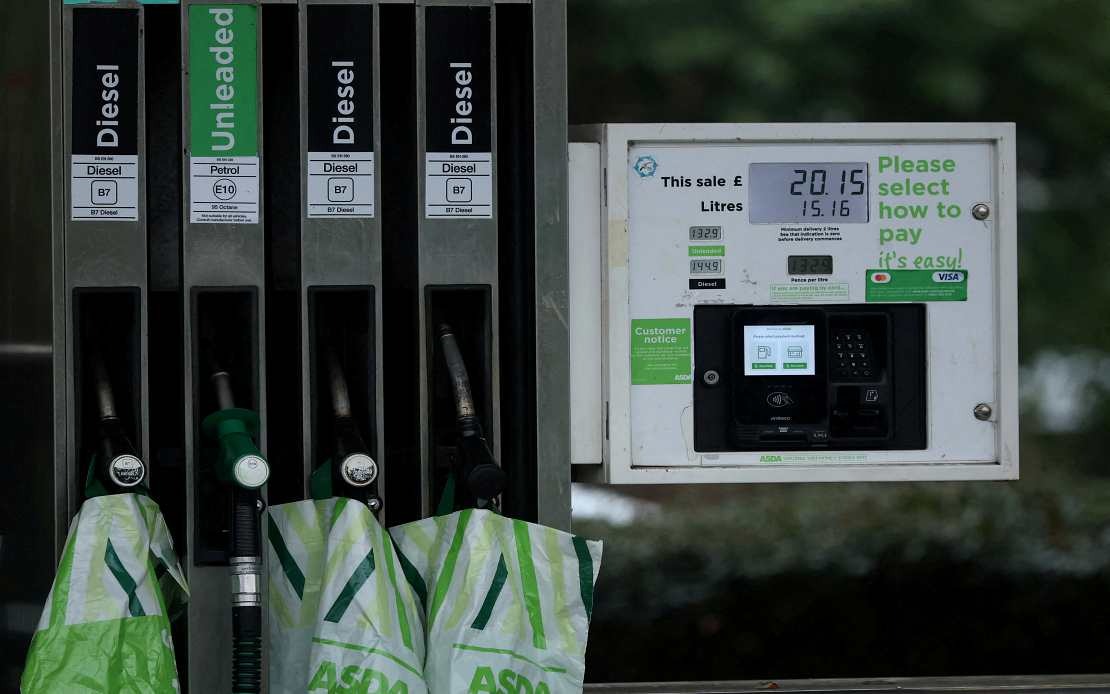
The United Kingdom is grappling with an alarming wave of fuel theft that has accelerated since geopolitical tensions with Iran destabilized oil markets earlier this year. Data compiled by Forecourt Eye, a fuel theft prevention specialist, reveals that petrol pump robberies have intensified substantially in the five months following the conflict's outbreak on February 28, presenting a mounting challenge for independent retailers across the country.
The scale of the problem is striking. Industry analysis indicates that motorists are stealing an average of nearly £200,000 worth of fuel daily from the UK's 8,359 petrol pumps. This figure represents the combined value of fuel taken without payment across the entire network, a troubling indicator of both the scope and financial impact of the crisis on station operators. The daily loss figure takes on additional weight when considered over extended periods—a single year's worth of theft would exceed £73 million.
The conflict's economic ripple effects have directly fueled this criminal surge. Fuel theft incidents jumped by 20 percent in the five-month period after February 28 compared with the preceding five months. However, the monetary value of stolen fuel rose even more dramatically—climbing 48 percent over the same timeframe. This disparity reflects sharply elevated petrol prices driven by Middle Eastern tensions, meaning each act of theft now represents a significantly larger financial loss to station operators. The average litre of petrol reached 160 pence by early August, approximately 27 pence higher than pre-conflict levels and marking a three-and-a-half year high. Diesel prices have climbed even more steeply, sitting about 37 pence per litre above pre-war levels at 179 pence.
The pattern of offending reveals troubling nuances. First-time offenders account for 23 percent of the increase in theft incidents and 26 percent of the rise in stolen fuel volume. Repeat offenders show smaller percentage increases—17 percent in incidents and 20 percent in volume—suggesting that while hardened criminals continue their activities, the surge is being driven substantially by individuals new to fuel theft. This composition carries significant implications for understanding the underlying drivers of the crime; it suggests that cost-of-living pressures are pushing people who would not typically commit theft into criminal behaviour.
Theft takes multiple forms at the forecourt. The most obvious involves drive-offs, where motorists pump fuel and simply depart without attempting payment. Equally problematic are incidents where customers claim to possess no means of payment after filling their vehicles. Both scenarios extract costs from retailers, though the latter creates additional complications around identifying genuine hardship from deliberate deception. Forecourt Eye's analysis, based on data from a representative sample of 550 fuel stations, captures both categories, providing a comprehensive picture of the challenge facing the industry.
The retail response reflects growing frustration and a recognition that technological solutions offer practical pathways forward. Forecourt Eye has partnered with Facewatch, a crime prevention technology firm, to provide free access to crime reporting systems for fuel station operators. The initiative enables stations to document thefts more systematically and, critically, to participate in a live facial recognition network that alerts participants to known offenders. Such measures represent an escalation in the technological arms race between retailers and criminals, though questions remain about effectiveness in high-volume public spaces like petrol stations.
The human toll on frontline workers cannot be overlooked. Gordon Balmer, executive director of the Petrol Retailers Association, which represents independent station operators, highlighted a disturbing secondary consequence: staff members are experiencing elevated levels of abuse and aggression from customers frustrated by forecourt prices. Workers, who bear no responsibility for pricing decisions influenced by global commodity markets, become convenient targets for motorist anger. This dynamic creates a challenging workplace environment and compounds the stress already associated with managing theft and loss prevention.
A critical misunderstanding shapes some theft behaviour. Ben Lawrence, who operates five petrol stations in Norfolk and Hampshire through Lawrences Garages, identified a pervasive misconception among some drivers. Many assume that all forecourts displaying major brand logos—whether BP, Shell, or other multinational energy companies—are operated by those corporations. This misapprehension leads some motorists to believe that theft from branded stations poses no consequence because they imagine losses are absorbed by profitable oil giants rather than independent small business operators. The reality differs markedly; when a motorist drives away after consuming £80 to £90 of fuel without payment, the loss directly impacts the individual petrol station owner, not the oil company whose branding adorns the pumps.
Historically, fuel theft concentrated among individuals already engaged in broader criminal activity, representing a subset of a larger criminality problem. The contemporary pattern diverges significantly. Rising costs of living—encompassing housing, utilities, food, and transport—are pushing ordinary citizens toward theft as a coping mechanism for financial strain. This transition from specialist crime to desperate necessity reflects the broader economic pressures affecting UK households, particularly those on fixed or modest incomes for whom fuel represents an increasingly large proportion of budgets.
For Southeast Asian observers, particularly those in Malaysia, the UK situation offers instructive parallels and contrasts. Malaysia's fuel subsidies have traditionally insulated domestic consumers from global price spikes, yet the mechanics of fuel theft remain similar wherever price volatility exceeds public tolerance. The technological solutions emerging in the UK—facial recognition networks, coordinated crime reporting, industry partnerships—may provide templates for retailers across the region confronting similar challenges. The psychological dimension is equally relevant: when prices surge sufficiently, societal tolerance for regulatory compliance erodes, and ordinary citizens gravitate toward illegal alternatives.
Industry stakeholders view collaborative approaches as essential for managing the crisis. Michelle Henchoz, Forecourt Eye's managing director, emphasized that as criminal operations become increasingly coordinated and sophisticated, retailers require integrated technology platforms offering comprehensive protection. The partnership with Facewatch represents one manifestation of this philosophy, combining data collection, incident reporting, and offender identification within unified systems. Whether such measures can meaningfully reverse theft trends remains uncertain, particularly if underlying cost pressures persist.
The broader economic context shapes all dimensions of this crisis. The Iran oil situation fundamentally altered fuel pricing calculus across global markets, creating sustained price elevation that intersects with pre-existing cost-of-living challenges across UK society. Petrol station operators, particularly independent retailers who lack the profit margins and financial reserves of major corporations, find themselves squeezed from multiple directions—managing theft losses, documenting incidents, protecting staff from aggressive interactions, and absorbing price volatility. Until either fuel prices moderate or household income pressures ease, theft trends will likely remain elevated, presenting a persistent challenge for the retail fuel sector.

