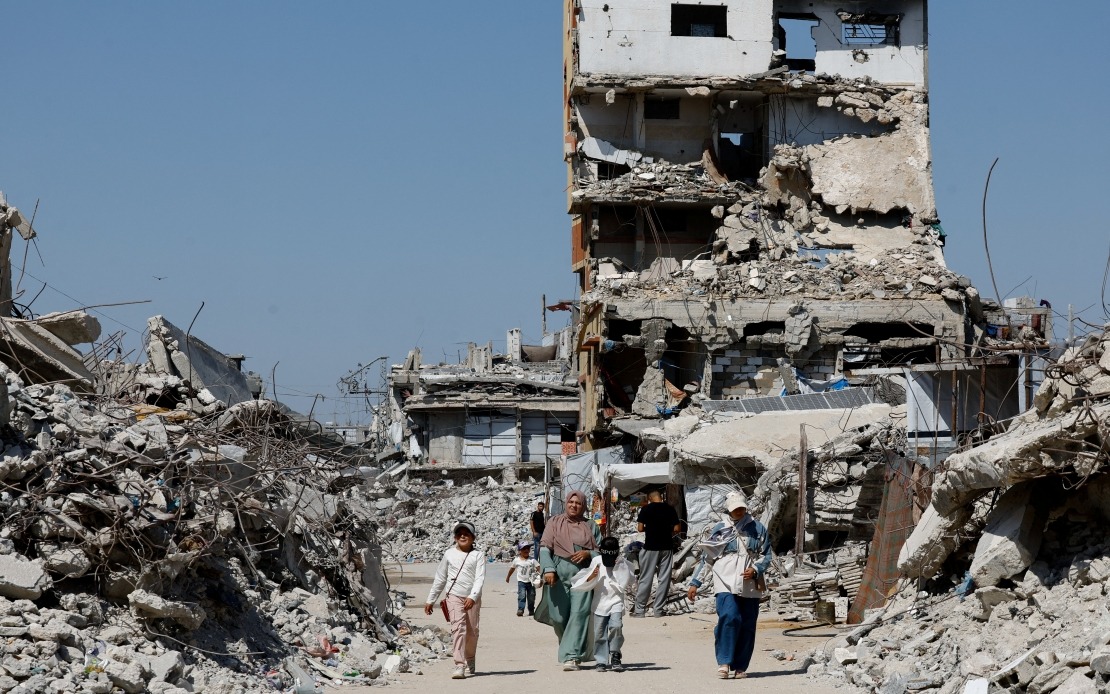
The humanitarian catastrophe engulfing Gaza has intensified, with the Palestinian Health Ministry documenting 10 additional deaths and 25 injuries over a 24-hour period, pushing the cumulative death toll since October 2023 to 73,417. The reported casualties arrived at Gaza hospitals as bodies and injured patients, though the ministry provided limited detail on the specific circumstances surrounding these latest losses, citing continued instability across the blockaded territory.
According to the Health Ministry's daily assessment released Thursday, the persistent violence represents an ongoing violation of the October 2025 ceasefire arrangement. Despite the formal cessation agreement, Israeli military operations through shelling and gunfire continue across multiple locations throughout Gaza, preventing any meaningful stabilization of the situation on the ground. This pattern underscores the fragility of the ceasefire and the sustained military pressure facing Palestinian civilians.
The ministry has separately documented 1,283 deaths attributable directly to violations of the ceasefire terms since the agreement took effect, with an additional 4,248 individuals injured during this period. These figures illustrate a distinction between the overall death toll accumulated since the conflict's escalation in October 2023 and the more recent casualties resulting from ceasefire breaches, providing crucial context for understanding the trajectory of violence.
Beyond the immediate casualty figures, recovery operations remain severely hampered by the security environment and infrastructure collapse. The ministry noted that numerous victims remain trapped beneath collapsed structures and lying on roads, while ambulance services and civil defence teams lack the capacity to reach them. This access crisis compounds the humanitarian emergency, as the inability to retrieve and treat the wounded in a timely manner invariably increases mortality rates among those injured in the ongoing operations.
The conflict has wrought devastating destruction across Gaza's civilian infrastructure, with approximately 90 per cent of buildings and essential services damaged or destroyed. The United Nations has estimated that rebuilding the territory will require approximately US$70 billion—a figure that underscores the scale of physical devastation and the long-term recovery burden facing the Palestinian population. For Malaysian observers and policymakers, this reconstruction cost provides perspective on the magnitude of the humanitarian crisis and its regional implications.
The 174,360 individuals reported wounded since October 2023 represent a medical and social emergency of staggering proportions. Many survivors face permanent disabilities from their injuries, straining already-collapsed healthcare systems and creating a generation facing lifelong physical and psychological trauma. The cumulative effect extends beyond immediate casualties to encompass broader public health consequences, including disease outbreaks, malnutrition, and the psychological toll of sustained conflict.
For Southeast Asian nations like Malaysia, the Gaza situation carries significant strategic and humanitarian weight. The continued violence despite ceasefire agreements raises questions about the efficacy of international diplomatic frameworks and the leverage available to regional and global actors in constraining conflict. Malaysia's substantial Muslim population maintains keen interest in developments affecting Palestinian civilians, and the recurring cycles of violence and ceasefire violations complicate efforts to build durable peace.
The ministry's documentation of ceasefire violations reflects a pattern wherein formal agreements fail to translate into meaningful protection for civilian populations. The distinction between the total death toll and deaths specifically from ceasefire violations indicates that violence has persisted even following international negotiation efforts. This reality challenges assumptions about the binding nature of ceasefire arrangements and raises concerns about enforcement mechanisms.
The inability of ambulance and civil defence crews to operate freely represents a critical humanitarian gap. Effective ceasefire implementation should, at minimum, permit unfettered medical and rescue operations. The continued restrictions on humanitarian access suggest that military operations persist at sufficient intensity to disrupt basic civilian protection functions, contradicting ceasefire principles.
Looking forward, the situation demands sustained international attention and pressure for genuine implementation of ceasefire terms. For Malaysia and other ASEAN members, this represents an opportunity to engage constructively through multilateral forums, emphasizing the humanitarian dimensions of the crisis and the urgency of allowing civilian protection and reconstruction efforts. The scale of destruction documented in Gaza serves as a reminder of conflict's devastating consequences and the importance of supporting durable diplomatic solutions in the region.

