Datuk Yusof Haslam, the veteran producer behind Skop Production, has made an emphatic decision to remove an actress from the upcoming Gerak Khas 2.0 drama series following her arrest and positive drug test results. The move comes just one week after the series premiered, marking a significant course correction for a production already far advanced in its shooting schedule.
The actress in question was detained during a police raid conducted by officers from Dang Wangi district police headquarters on July 7, where she tested positive for three types of drugs. The incident prompted immediate action from the production team, who determined that removing her from the series was essential to protect the show's credibility and the reputation of the Royal Malaysia Police, which the drama depicts.
Haslam revealed that the timing of the discovery, while unfortunate, provided a silver lining of sorts. With the production already 90 percent complete, only approximately two weeks of filming remained outstanding. The actress still had scenes scheduled for episodes 23 and 24 of the 26-episode run. The production team moved swiftly to eliminate all her remaining appearances, meaning her character will effectively vanish from the later episodes without explanation to viewers, a creative compromise necessitated by the circumstances.
In explaining the decision, Haslam made clear that the actress's previous track record with Skop Production had been entirely professional. She had worked on earlier company projects without incident, leaving no indication that such a situation would arise. The producer stressed that had they possessed foreknowledge of her involvement with drugs, she would never have been cast in the first place. The casting decision, made under normal circumstances, became untenable only after the arrest came to light.
Haslam's response to the actress's subsequent pleas for leniency was unambiguous and unforgiving. He rejected all appeals and explanations, telling her directly that the opportunity for redemption had passed. His message conveyed a broader principle about professional consequences: once a serious misstep occurs in the public eye, the accumulated goodwill from prior performances becomes secondary to managing present damage. For Haslam, the moment demanded a clean break rather than negotiation or gradual phase-out.
The incident has prompted Haslam to use the situation as a cautionary lesson extending beyond the individual actress. He emphasized that he had repeatedly stressed the importance of personal discipline and integrity throughout the production, urging all cast and crew members to avoid activities that might damage the drama's reputation or that of the police force it portrays. Prior to the arrest, Haslam had specifically warned the actress twice about maintaining professional standards and avoiding involvement in potentially compromising situations.
Haslam's broader commentary on the responsibilities facing entertainers, particularly women in the industry, reflects traditional Malaysian perspectives on public conduct. He noted that audiences and society tend to judge female performers more severely for perceived infractions, making discretion and careful personal choices essential career management strategies. His reference to the difficulty of controlling others, despite clear guidance, suggests frustration with the unpredictability of working with multiple personalities on large productions.
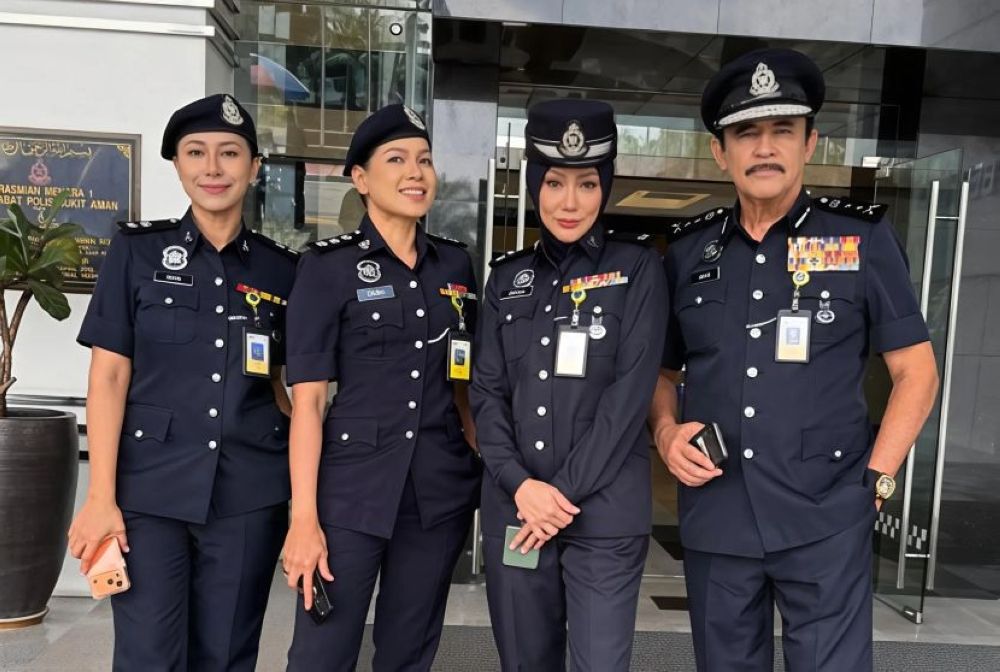
The Gerak Khas 2.0 series itself represents a significant investment and cultural moment, as a continuation of the beloved original police procedural that resonated deeply with Malaysian audiences. The ensemble cast includes established names such as Hans Isaac, Erra Fazira, C. Kumaresan, and Salina Saibi. Three actresses share the lead role of police inspectors: Tisha Shamsir, Nabiha Aimi, and Emily Elizabeth. With the troubled actress removed, these others shoulder greater responsibility for carrying the series forward.
The production's ability to absorb this shock without derailing the entire project speaks to how advanced the filming had reached. However, the editing and post-production process will now need to address narrative continuity issues created by the removal of the actress's character from later episodes. This presents both creative and technical challenges for the post-production team, though experienced professionals have managed similar situations in television drama before.
For the Malaysian entertainment industry more broadly, the incident underscores the tension between individual freedom and professional consequences. Haslam's decisive action, while harsh, serves as a reminder that high-profile roles in nationally significant productions carry heightened expectations and that breaches of conduct can result in swift, definitive career consequences. The message to aspiring actors is unambiguous: personal choices made away from the set can rapidly undermine professional opportunities and damage industry relationships.
The situation also highlights the vulnerabilities inherent in long-form television production, where substantial portions of a series may already be completed before cast issues emerge. Unlike theatrical films, where reshoots are often prohibitively expensive, television dramas sometimes allow for character modifications or removals, though they create narrative gaps. This particular case, with filming already 90 percent complete, appears to have landed in a manageable middle ground where the removal, while disruptive, does not require extensive reshooting or fundamental restructuring.
Looking forward, the Gerak Khas 2.0 premiere will proceed with heightened media scrutiny, as audiences become aware of the behind-the-scenes drama and its resolution. The series now carries the dual narrative of both entertainment content and cautionary tale about professional standards in the Malaysian television industry. Haslam's willingness to absorb the production complications and financial implications of the removal suggests his commitment to maintaining industry standards and protecting the integrity of projects bearing the PDRM's name.

