German law enforcement authorities executed a series of coordinated searches across the country on Wednesday, with investigators entering the headquarters of the Deutsche Fußball-Bund (DFB), the nation's soccer governing body, as part of a widening investigation into alleged misconduct surrounding the 2024 European Championship. According to the Bild newspaper, the raids represent a significant escalation in authorities' efforts to uncover what prosecutors believe may have been systematic violations involving the improper distribution of tickets and hospitality packages during the continental tournament.
The investigation touches multiple individuals, including at least one German national and one French national, suggesting the scope extends beyond domestic borders. The Bochum prosecutor's office and the criminal investigation unit for North Rhine-Westphalia issued a joint statement confirming that searches were being conducted at several locations throughout Germany, though they stopped short of explicitly naming the DFB in their public communication, a deliberate omission that underscores the sensitivity surrounding Germany's premier football institution.
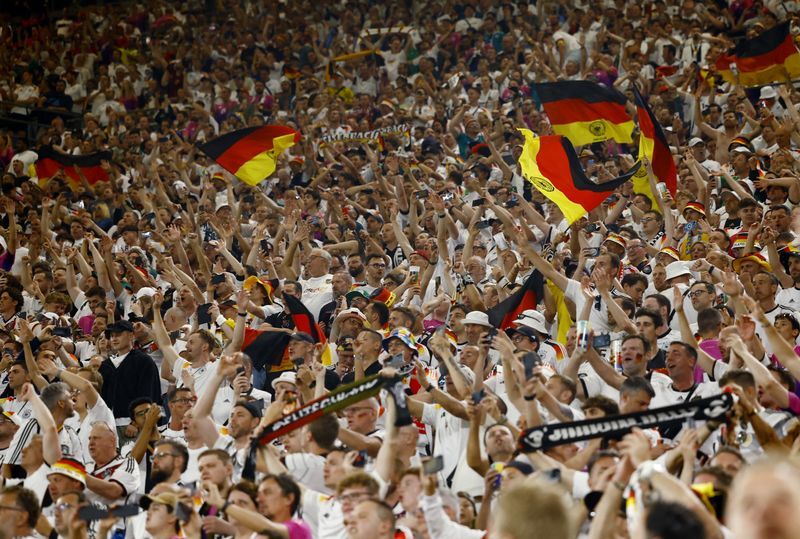
At the heart of the scandal lies an allegation that thousands of tickets and hotel packages for the Euro 2024 tournament were allocated outside official channels to individuals with political or administrative connections. The tournament, which took place across ten German cities in summer 2024, required intricate coordination of accommodation and access arrangements, creating potential vulnerabilities in the allocation process. Bild's reporting suggests that preferred guests received benefits well beyond what standard ticket holders would obtain, raising questions about how decision-makers wielded their authority over scarce resources.
One specific case illustrates the alleged wrongdoing. A municipal employee from Gelsenkirchen, one of the ten host cities, stands accused of receiving tickets, travel arrangements, and hotel accommodations valued at approximately €2,400 (around $2,736). Gelsenkirchen's status as both a host city and the location of this individual's employment creates an uncomfortable picture of potential abuse of position, where municipal authority may have translated into personal advantage during the championship.
The prosecutors' statement references investigations into "unauthorized advantages, including a visit to an international football match," clinical language that masks what appears to be a pattern of preferential treatment that circumvented proper procurement procedures. This framing suggests that authorities are examining not merely misallocated tickets but a broader system of inducement and favour that benefited connected individuals at the expense of ordinary fans who followed legitimate channels to obtain access to matches.
The DFB's immediate silence following the raids—the association declined to comment when approached by media outlets—reflects the gravity of the situation. As Germany's representative body in international football governance, the DFB bears responsibility for ensuring that the tournament's administration met the highest standards of transparency and fairness. Any suggestion that officials within the association facilitated or overlooked improper ticket distribution threatens the institution's credibility and could damage Germany's standing within European football's regulatory ecosystem.
European football's governing body, UEFA, similarly provided no immediate response to inquiries, a posture that likely reflects the delicate position international authorities occupy when national federations face criminal investigation. UEFA would want to demonstrate faith in German judicial processes while simultaneously ensuring its own standards were upheld, a balance that requires careful communication and measured responses.
For Malaysian and Southeast Asian observers, this case resonates with broader concerns about institutional accountability in major sporting events. The 2024 Euros represented a significant investment in infrastructure and global prestige for Germany, hosting matches that drew international audiences and visitors. When allegations emerge that public resources and tournament assets were diverted through improper channels, it raises questions relevant to any nation preparing to host major sporting competitions about the controls necessary to prevent similar misconduct.
The investigation also highlights how proximity to power—whether through municipal employment or political connection—can create opportunities for impropriety that merit scrutiny. Prosecutors appear determined to establish whether the ticket and hospitality violations reflected isolated instances of individual misconduct or whether they pointed to systemic weaknesses in how the DFB and associated organizations distributed valuable tournament assets.
As the investigation proceeds, German authorities face pressure to demonstrate that no institution, regardless of its sporting significance, stands above the law. The raids themselves communicate a message that prosecutors take the allegations seriously and are willing to pursue investigations wherever evidence leads, even into the offices of football's governing structures. This commitment to rigorous investigation serves both immediate accountability purposes and broader goals of maintaining public faith in institutions entrusted with organizing major national events.
The wider implications extend to how football manages its relationship with political and administrative authorities in host nations. Proper separation between sporting governance and governmental favour-dispensing mechanisms becomes crucial in ensuring that major tournaments remain events of merit and opportunity rather than mechanisms through which connected individuals secure exclusive access. As details emerge from the investigation, they will likely inform discussions about best practices for future championships.

