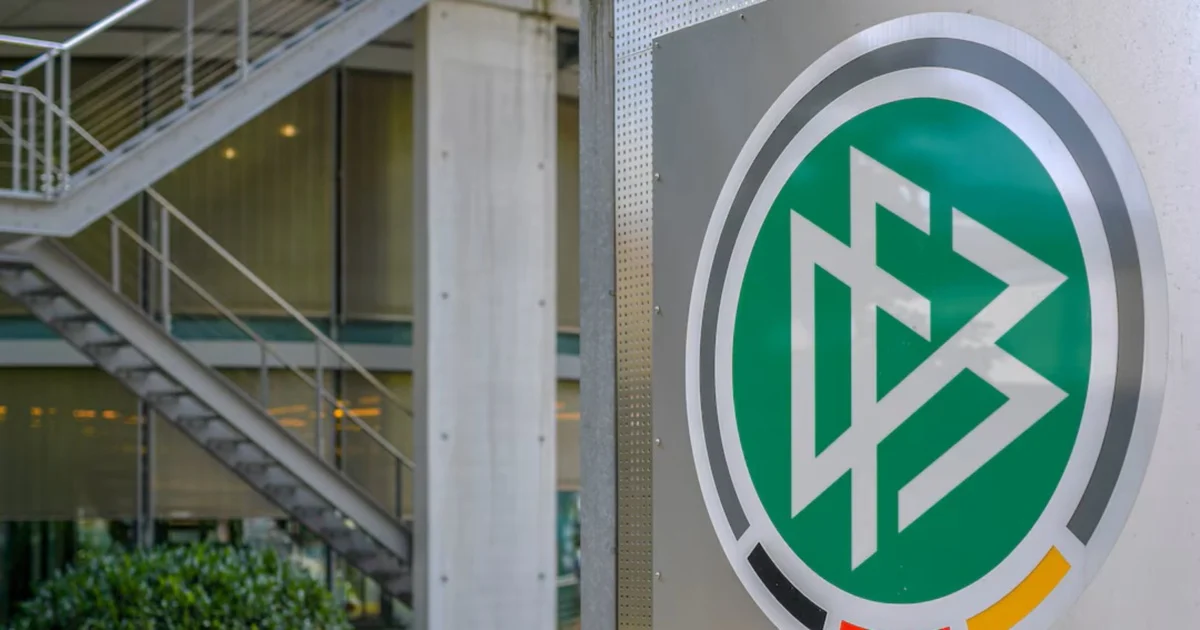
German law enforcement executed coordinated raids across multiple locations on Wednesday, including striking the offices of the Deutsche Fußball-Bund (DFB), in connection with an expanding investigation into potential irregularities surrounding ticket allocation and hospitality arrangements during the 2024 European Championship. The sweeping operation marks a significant development in what authorities are treating as a serious compliance breach during one of football's most prestigious tournaments, held on German soil.
The investigation centres on suspected violations involving the distribution of tickets and hospitality packages for Euro 2024, an event that generated substantial commercial activity and high demand for event access among corporate clients and football enthusiasts. Authorities appear to be examining whether established protocols for equitable ticket distribution were circumvented or if hospitality benefits were allocated inappropriately, potentially creating unfair advantages for certain parties.
The DFB, as the governing body responsible for German football, traditionally plays a central role in managing ticketing logistics for major tournaments hosted domestically. The organisation had the responsibility of overseeing compliance with tournament regulations and UEFA requirements regarding ticket distribution, making it a natural focal point for investigators probing administrative irregularities. Wednesday's raid signified that suspicions had crystallised sufficiently to warrant formal intervention.
For Malaysian sports observers, this development underscores the complex governance challenges facing football federations when orchestrating international competitions. Ticketing systems for major tournaments frequently attract scrutiny because they represent valuable assets that can be monetised through legitimate or questionable channels. The Euro 2024 investigation illustrates how even established sporting institutions in developed democracies face accountability pressures regarding transparency and proper administrative conduct.
The nationwide scope of the searches suggests investigators suspected the alleged breaches extended beyond isolated incidents at a single office or department. Such coordination typically indicates authorities had mapped a pattern of potential misconduct spanning multiple individuals or entities involved in Euro 2024 operations. The widened investigation scope could implicate corporate sponsors, VIP hospitality providers, or ticketing intermediaries alongside DFB officials.
This inquiry arrives amid heightened global attention to governance standards within football administration. The sport has faced repeated corruption scandals in recent decades, prompting stricter regulatory frameworks and independent oversight mechanisms. German authorities' decisive action demonstrates that even major federations in established sports democracies cannot assume immunity from investigation when irregularities surface.
The timing of the raids, following the tournament's completion in summer 2024, allowed investigators sufficient time to gather evidence from transaction records, communications, and financial documentation relating to ticketing operations. The move suggests German prosecutors had accumulated credible indicators justifying formal investigative steps beyond preliminary inquiries.
For the broader Southeast Asian football community, particularly nations aspiring to host major international tournaments, the DFB investigation underscores the necessity of implementing transparent ticketing frameworks and independent audit mechanisms from the planning stage. Malaysia and neighbouring countries frequently bid for hosting rights to regional and continental competitions; understanding governance failures abroad provides valuable lessons for strengthening local institutional safeguards.
The implications for the DFB extend beyond immediate legal consequences. Reputational damage from ticketing impropriety could affect the federation's standing in future UEFA administrative responsibilities and potentially complicate Germany's candidacy for hosting subsequent major tournaments. Transparency in managing public goods—which international football tournaments effectively represent—has become non-negotiable in contemporary sports governance.
Corporate partners and sponsors of Euro 2024 may also face scrutiny if investigations reveal they obtained preferential ticket allocations or hospitality access through improper channels. This aspect could burden legitimate sponsorship arrangements with additional compliance verification in future tournament partnerships.
Investigators will likely examine email records, approval workflows, and financial transactions related to ticketing systems to establish whether protocols were deliberately circumvented or whether systemic weaknesses enabled abuses. The severity of findings could determine whether matters progress to criminal prosecution or resolve through administrative remedies and procedural reforms.
The investigation also carries symbolic weight for German sporting integrity. Germany's football tradition emphasises organisational professionalism and institutional discipline; evidence of ticketing violations challenges that self-image and may provoke broader reflection on federation governance practices. Public trust in football administration depends substantially on demonstrated commitment to fair access and transparent operations.
As this investigation develops, it will provide important benchmarks for how modern football federations should structure ticketing operations, implement oversight mechanisms, and respond to evidence of potential violations. For Malaysian stakeholders contemplating tournament hosting or federation leadership roles, the DFB case demonstrates that governance standards increasingly reflect the sport's broader professionalisation and that accountability extends to even historically prominent institutions.

