Ghana's preparation for their World Cup Group L fixture against Panama reached a critical juncture on Tuesday as coach Carlos Queiroz signalled his squad's readiness to compete at Toronto Stadium, irrespective of whether midfielder Thomas Partey would be granted entry to Canada. The statement came as Canadian federal court convened to hear an appeal against authorities' earlier refusal to allow Partey into the country, a decision that has cast uncertainty over Ghana's campaign just one day before their opening match.
The Villarreal midfielder's involvement in the tournament has been complicated by serious allegations he faces in Britain, including rape and sexual assault charges, which he has categorically denied. Canadian immigration officials had previously barred his entry, citing security and legal concerns, prompting Ghana's football authorities to challenge the decision through the federal court system. The timing of the appeal hearing—mere hours before Ghana's opening game—has injected considerable drama into the team's preparations, forcing Queiroz to develop contingency strategies.
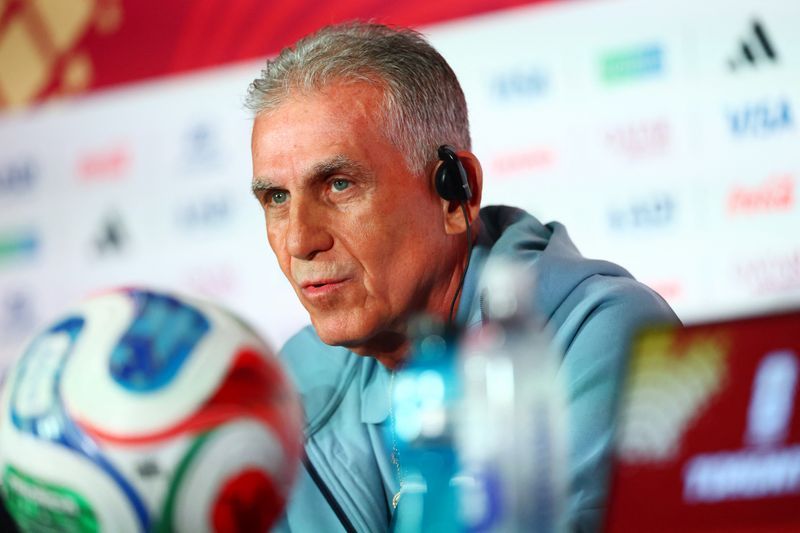
During a Tuesday press briefing in Toronto, the 73-year-old Portuguese coach adopted a pragmatic stance on the uncertainty surrounding Partey's status. Rather than engage in extended commentary about the allegations or the legal proceedings, Queiroz redirected focus to tactical preparation and available personnel. His remarks reflected a seasoned professional's approach to managing external disruptions that lie beyond his immediate control. "We have our plan settled," Queiroz stated, emphasizing that Ghana's preparation encompasses multiple scenarios and that his coaching philosophy centres on maximising the strengths of players who are definitively available for selection.
The coach's refusal to extensively discuss Partey's situation underscored his determination to maintain team morale and concentration during a sensitive period. Queiroz characterised further commentary on the allegations as peripheral to his core responsibility of preparing a competitive eleven. This boundary-setting approach, while pragmatic, also reflects the broader complexity facing international football when legal matters intersect with tournament schedules. For Ghana, the uncertainty creates a preparatory challenge that extends beyond standard match planning into contingency squad management.
Queiroz's assessment of Panama revealed a coach who recognises the technical quality of his opponents whilst remaining confident in Ghana's capabilities. He described Panama as an exceptionally well-organised and experienced outfit, factors that typically translate into disciplined defensive structures and set-piece organisation. However, he was equally definitive in identifying Panama's vulnerabilities and expressing conviction that Ghana possesses the tactical solutions to exploit them. This balanced perspective—acknowledging opponent strengths without surrendering confidence—has characterised Queiroz's approach throughout his management career.
The coach highlighted Ghana's assets across multiple dimensions of play, pointing to the squad's considerable international experience, technical quality, speed, and individual skill levels as competitive advantages. He particularly emphasised Ghana's potential to dominate one-on-one situations through superior physicality and strength, suggesting that direct confrontations between individual players could favour his team. These observations sketch a tactical approach centred on Ghana's established competitive advantages rather than attempting to outmanoeuvre Panama at their own organisational game.
During questioning about FIFA's recently implemented mandatory hydration breaks, a regulation that has generated considerable debate among coaches and players regarding its impact on match rhythm and athletic performance, Queiroz offered a measured but pointed response. Rather than dismissing the innovation outright, he advocated for comprehensive scrutiny of the rule's implementation and its underlying motivations. His call for an integrity report upon tournament conclusion suggests scepticism about whether the hydration measures genuinely prioritise player welfare or serve other commercial and marketing interests. This observation reflects growing tensions within professional football between athlete welfare narratives and the realities of tournament scheduling and broadcast requirements.
Queiroz's request for post-tournament analysis reflects the broader conversation within coaching circles about FIFA's regulation of match conditions and player welfare. The hydration break rule, while ostensibly designed to protect athletes in demanding climatic conditions, has been scrutinised for potentially disrupting tactical flow and creating artificial stoppages that benefit certain playing styles. By calling for transparent evaluation, Queiroz positions himself within a growing contingent of football professionals demanding clarity on whether regulatory changes genuinely serve stated health and performance objectives.
For Malaysian and Southeast Asian observers, Ghana's situation illuminates several important dimensions of modern international football. The Thomas Partey case demonstrates how legal proceedings in one jurisdiction can substantially complicate international sporting competitions, raising questions about coordination between national governments and sporting bodies. Furthermore, Ghana's profile as an African football powerhouse involved in World Cup competition carries regional resonance, particularly given the tournament's global significance and the representation dynamics of African nations in international competition.
The match against Panama itself carries considerable strategic importance within Group L's competitive dynamics. Both nations will be seeking early advantage in a tournament where opening fixtures frequently establish psychological momentum and points-accumulation trajectories. Ghana's ability to compete effectively regardless of Partey's availability will signal squad depth and tactical flexibility. Should the midfielder gain entry and contribute to the match, his availability would substantially enhance Ghana's midfield control; conversely, if barred from competition, Queiroz's contingency plans will be tested immediately under tournament pressure.
Queiroz's measured confidence and emphasis on tactical preparation suggest Ghana approaches Wednesday's fixture with professional composure despite the surrounding legal and administrative complications. The coach's determination to focus exclusively on controllable variables—team preparation, tactical execution, and player performance—provides a stabilising influence during an inherently unstable period. Whether the Canadian federal court's decision ultimately permits Partey's participation or upholds the earlier refusal, Ghana will take the field with a coach demonstrating the kind of unflappable composure that distinguishes experienced international managers from those overwhelmed by contextual pressures.