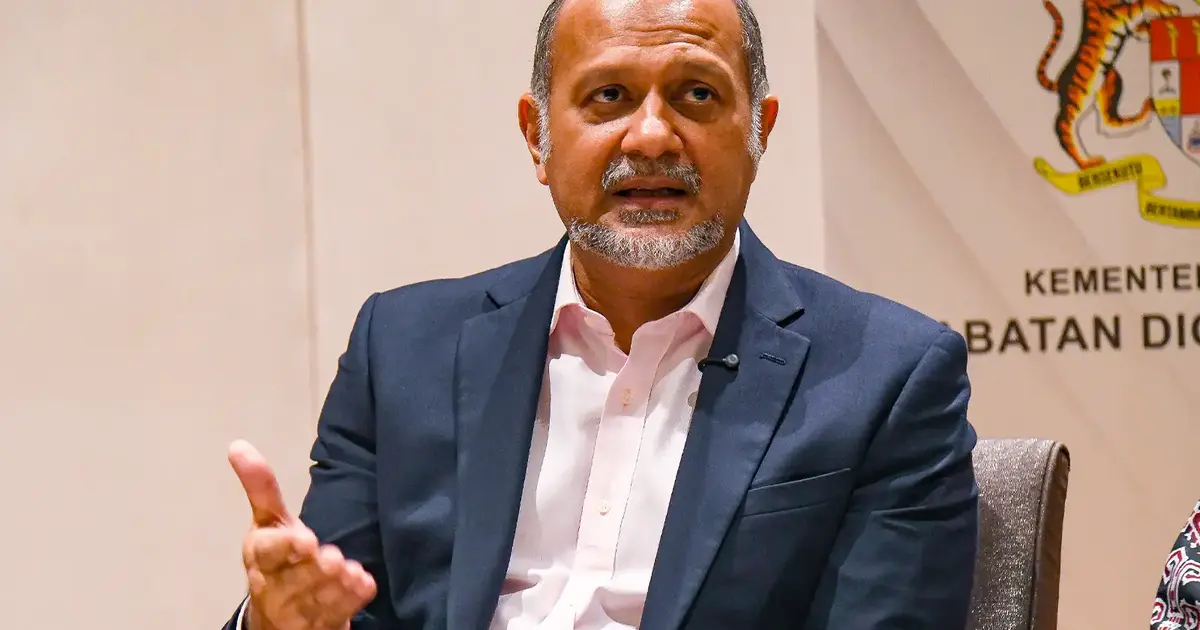
DAP chairman Gobind Singh Deo has publicly called on the Inspector-General of Police and the Malaysian Anti-Corruption Commission to share progress updates regarding their investigation into alleged corporate mafia activities, signalling growing impatience within the political establishment over the pace of the inquiry. The request reflects mounting pressure on law enforcement agencies to demonstrate concrete movement on a matter that has captured sustained attention from senior government figures since formal directives were issued earlier this year.
Gobind's intervention underscores a broader concern within the ruling coalition about the need for transparency and visible progress on high-profile investigations. The DAP leader contends that a reasonable window has now opened for both agencies to gather preliminary findings and establish whether the allegations merit further escalation or formal charges. His public remarks serve as a measured but unmistakable reminder that political patience has its limits and that stakeholders expect tangible results rather than indefinite bureaucratic processes.
The Cabinet's March directive set in motion coordinated action between Malaysia's two primary investigative bodies. The police force, through its Criminal Investigation Department and specialised units, typically handles cases involving organised crime networks and alleged unlawful business conduct. The MACC brings prosecutorial leverage, particularly where corruption charges and abuse of power intersect with commercial activities. The dual-agency approach suggests the Cabinet viewed the allegations as sufficiently serious to warrant mobilisation of both institutions' resources.
For Malaysian observers and international watchers, this investigation carries implications beyond the immediate facts under examination. Corporate governance lapses and the influence of well-connected business networks on policy decisions have long been subjects of concern in Southeast Asia. Malaysia's ability to credibly investigate and prosecute such cases directly affects investor confidence, rule-of-law perceptions, and the government's commitment to tackling systemic corruption that can undermine economic development and fair competition.
Gobind's intervention also reflects internal political dynamics within the coalition government. DAP, as the largest component of the ruling Pakatan Harapan alliance, maintains stakes in demonstrating that anti-corruption commitments translate into action. Public demand for results on high-profile cases serves both legitimate governance interests and party-political positioning, especially as the next general election approaches and parties compete to claim credit for cleaning up Malaysia's institutional landscape.
The specific scope of the corporate mafia probe remains incompletely detailed in public discourse, though concerns typically centre on alleged networks of businesspeople leveraging political connections to monopolise contracts, manipulate regulations, and exclude competitors through informal power structures rather than market competition. Such arrangements, if substantiated, would constitute serious threats to transparent governance and economic fairness that extend far beyond the individuals implicated.
From the perspective of enforcement agencies, balancing speed with rigour presents genuine challenges. Investigations into complex business networks require careful documentary analysis, witness interviews, and financial tracing—processes that cannot be rushed without risking evidentiary weakness or legal vulnerabilities that might undermine prosecutions. Yet excessive delays also damage credibility and risk the appearance that investigations lack seriousness or that powerful subjects might be receiving preferential treatment.
Regionally, Malaysia's handling of corporate integrity cases attracts attention from neighbouring jurisdictions managing similar challenges. Singapore's Corrupt Practices Investigation Bureau and Thailand's National Anti-Corruption Commission operate within different legal frameworks, yet all three nations confront pressures to demonstrate simultaneously that political connections cannot provide immunity from investigation and that investigations proceed fairly without becoming partisan weapons. The balance Malaysia strikes will influence regional perceptions of institutional independence.
For the business community, prolonged uncertainty about investigation outcomes creates its own costs. Companies operating in Malaysia require clarity about which practices remain permissible and which cross into illegal territory. Extended investigations without interim guidance leave legitimate businesses uncertain about compliance standards and may inadvertently provide cover for continued malpractice by subjects confident that investigations move slowly enough to permit ongoing violations.
Gobind's public appeal also serves a broader accountability function. By naming specific agencies and requesting specific updates, he creates documented expectations that can be invoked if investigations subsequently appear to stall or disappear from public view. Media coverage of his remarks ensures that inaction becomes politically costlier than visible progress, even if that progress simply involves issuing interim reports or confirming investigation parameters without yet disclosing findings.
The coming weeks and months will indicate whether law enforcement responds to Gobind's pressure through substantive updates or renewed operational momentum. The tone and content of any briefings offered will communicate signals about investigation seriousness, timeline expectations, and the degree to which political pressure influences prosecutorial decision-making—a distinction crucial for maintaining institutional credibility.
Ultimately, this episode reflects the persistent tension in Malaysian governance between political demands for accountability and institutional needs for investigative independence. Both matter, and neither should be sacrificed; yet their practical reconciliation remains one of the enduring challenges facing Malaysia's anti-corruption machinery as it works to rebuild public confidence in institutional integrity.

