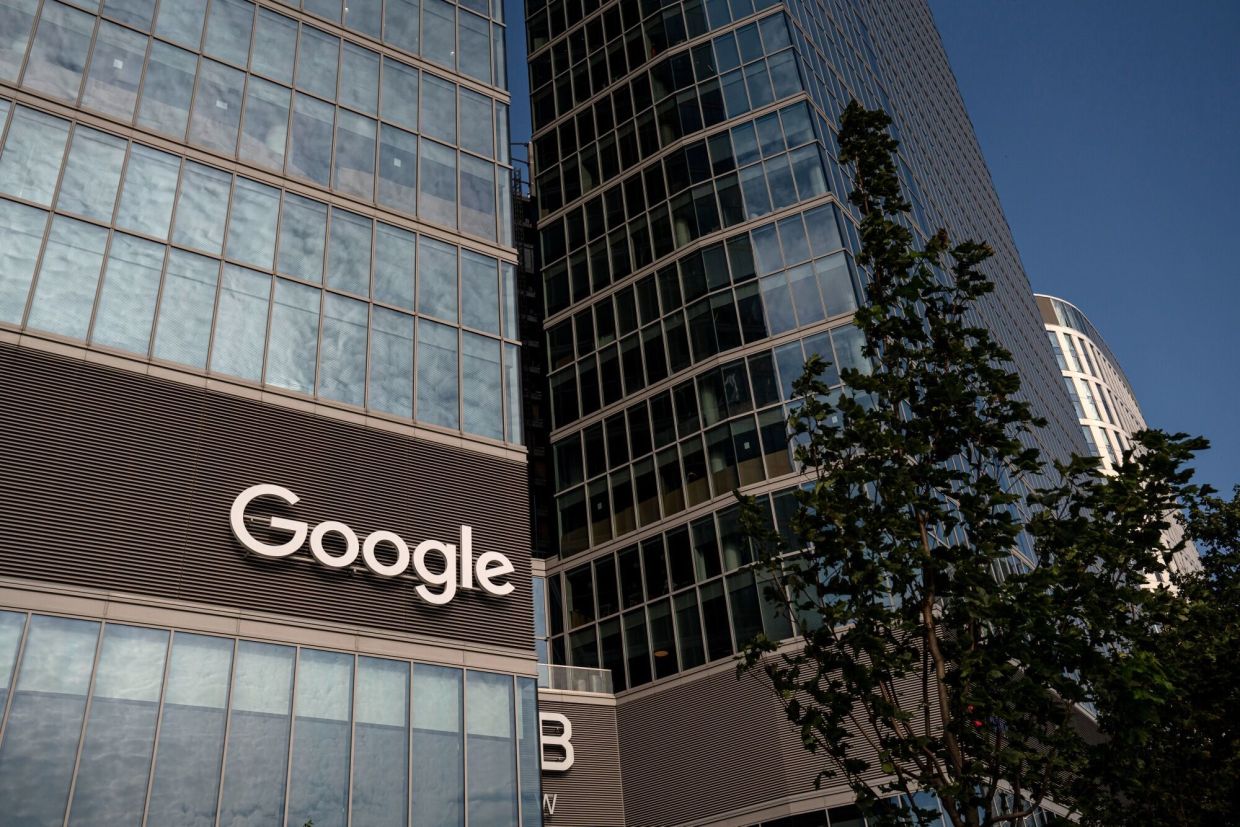
Alphabet Inc's Google actively markets its artificial intelligence capabilities to corporate clients as a solution for processing thousands of job applications efficiently, promising to identify top-tier candidates with minimal human intervention. Yet within its own walls, a critical team of researchers has taken a strikingly different stance, essentially warning candidates not to trust these very same systems.
Google DeepMind's AGI Safety and Alignment Team, responsible for studying ways to manage risks posed by advanced artificial intelligence, recently distributed a confidential memo to prospective job applicants. The document, marked with a plea not to share it widely, encourages candidates to submit a supplementary form designed specifically to circumvent the company's internal automated screening mechanisms. This extraordinary step reflects a fundamental concern: the team's leadership believes there exists a genuine probability that qualified applicants could be rejected or unnecessarily delayed by Google's own hiring technology.
The memo's language was deliberately candid about the problem. "We have an applications system with a non-trivial probability your CV will be screened out incorrectly or take too long to reach us," the document stated, before reassuring candidates that completing the special form would ensure a human team member reviewed their submission directly. For a company that has built its business partly on the promise that AI can make human processes faster and more accurate, this admission from one of its most prestigious research divisions carries considerable weight.
Google's official response sought to distance the company from any suggestion of systemic failure. A spokesperson for Google DeepMind insisted that the organization aims to "recruit and hire the most qualified talent" and explicitly denied that the company's systems filter applicants incorrectly. The spokesperson acknowledged that the team had created an alternative pathway specifically to bypass the standard recruiter review process, ensuring resumes reached the hiring team directly, but added that "there are no shortcuts to getting hired." The statement leaves unresolved the tension between the company's public confidence in its AI systems and the internal acknowledgement that they pose genuine risks to qualified candidates.
This contradiction reflects a broader tension in corporate hiring that has developed as artificial intelligence has become increasingly embedded in recruitment workflows. Some organizations deploy AI models to rank applicants according to predicted suitability, while others use algorithms to scan resumes for specific keywords and qualifications. The opacity of these systems—often proprietary black boxes—means neither employers nor job seekers fully understand how decisions are being made. Google's own Workspace division, which sells productivity tools like Google Drive to businesses worldwide, actively promotes AI features that it claims can "save HR time by quickly creating drafts for job postings, evaluating resumes, and forecasting hiring needs." The irony is palpable: the company profits from convincing other organizations to adopt these very technologies that its own researchers apparently doubt.
AI-powered hiring has also drawn intense scrutiny from civil rights advocates and employment lawyers concerned about potential discrimination. Bloomberg's investigation into OpenAI's ChatGPT revealed troubling patterns suggesting the system showed bias based on applicants' names. More formally, Workday Inc, a major provider of workplace management software, faces a lawsuit alleging that its AI hiring systems screen applicants on the basis of race, age, and disability status in contravention of employment law. Workday has denied these allegations and maintained that human decision-makers ultimately decide hiring outcomes, though the company did not respond to requests for further comment. These legal challenges underscore a critical gap: as hiring algorithms become more sophisticated and widespread, the mechanisms by which they might perpetuate or amplify discrimination remain poorly understood and inadequately regulated.
Paradoxically, even as some candidates struggle to have their applications seen by human eyes, others have begun leveraging AI to game the system entirely. Job seekers are increasingly using language models and other tools to generate applications at scale or craft submissions specifically calibrated to pass algorithmic screening. The DeepMind team appeared alert to this possibility as well, including in their special form a warning that applications would be stronger if candidates avoided using AI assistance. The advisory was blunt: "A real human will read these. These humans get really tired of reading LLM answers, because they all sound very samey." This observation captures an emerging reality—that AI-generated content, while potentially optimized for algorithmic filters, often lacks the distinctive voice and genuine insight that human reviewers seek.
For Malaysian and regional job seekers, these developments carry immediate practical implications. As multinational technology companies and increasingly ambitious local firms adopt AI-driven recruitment, understanding these systems' limitations becomes essential. The DeepMind team's candor suggests that even companies with cutting-edge AI expertise acknowledge the fallibility of automated screening. Candidates should recognize that standard applications through corporate portals may be subject to significant filtering risks, and where possible, seek alternative pathways—whether through employee referrals, networking, or specialized application mechanisms like those offered by DeepMind.
The broader question raised by Google's internal contradiction is whether technological advancement in hiring can genuinely serve the interests of both employers and workers. A system that screens out qualified candidates, no matter how quickly it processes applications, ultimately fails both parties. The fact that Google's own safety-focused researchers felt compelled to create a workaround suggests the company has not yet resolved the fundamental tension between speed and accuracy in AI-driven recruitment. Until organizations—particularly those building and promoting these systems—can credibly demonstrate that their AI hiring tools are both effective and fair, skepticism remains entirely warranted.

